 Save
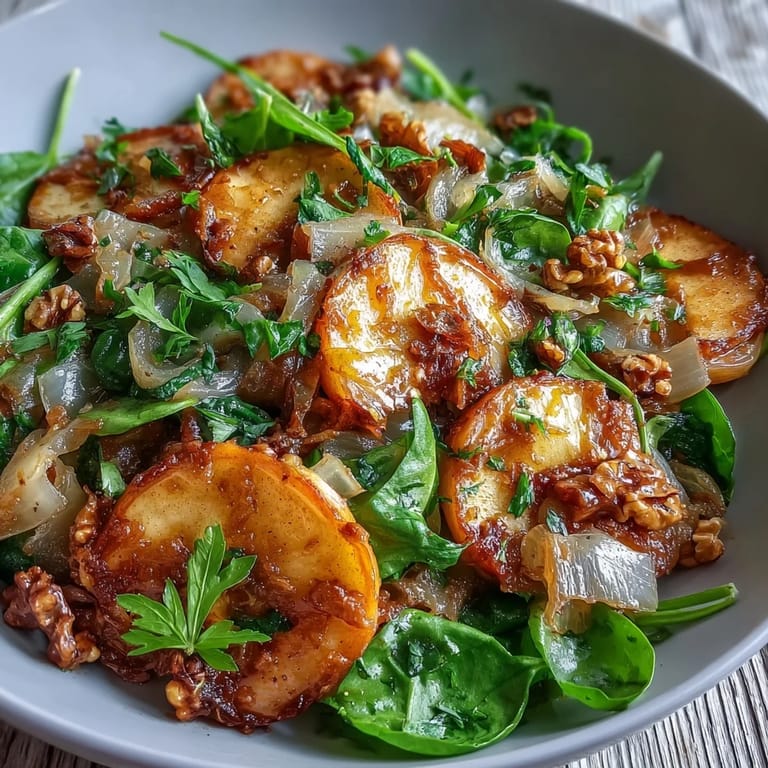
Save My neighbor Sarah once brought this warm apple and sauerkraut skillet to a potluck, and I watched people hesitate at first, fork hovering over the bowl—then something magical happened. The golden apples caught the light, the sauerkraut smelled unexpectedly cozy rather than sharp, and suddenly everyone wanted seconds. I realized that moment that the best dishes surprise you by breaking what you thought you knew.
I made this on a rainy Tuesday when my energy was low and my fridge felt like a puzzle I didn't want to solve. Twenty-five minutes later, I had something warming that felt both comforting and unexpectedly alive—the kind of dish that reminds you why cooking for yourself matters, even on the tired days.
Ingredients
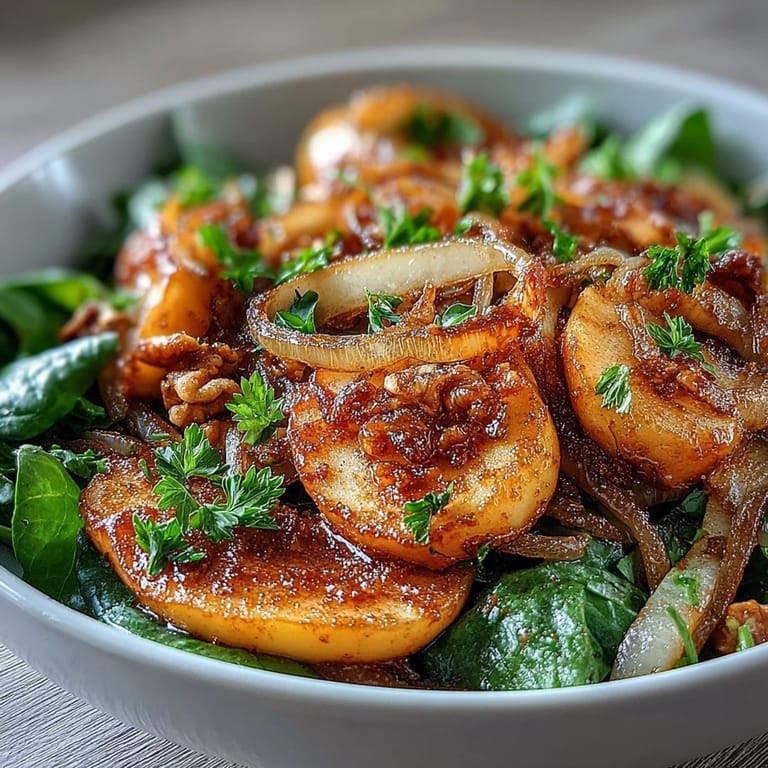
- 2 large apples (Honeycrisp or Gala): Slice these cored, and pick ones that feel firm—they'll caramelize into something buttery and almost nutty, holding their shape while the edges turn golden.
- 1 small red onion: Thinly sliced, it softens into sweetness and adds color that makes this dish actually inviting to look at.
- 2 cups sauerkraut, drained: The probiotic backbone here—drain it well so you're not swimming in brine, but don't rinse away all the character.
- 2 cups baby spinach or arugula: This wilts at the end and keeps everything feeling fresh rather than heavy.
- 2 tbsp olive oil or unsalted butter: Butter gives it more richness if you're not watching fat, olive oil if you want to keep things lighter and more Mediterranean.
- 1/4 tsp freshly ground black pepper: Always grind it fresh—pre-ground tastes like an old gym shoe by comparison.
- 1/4 tsp sea salt: Taste as you go because sauerkraut already carries salt, and you want balance, not surprise.
- 1/4 tsp ground caraway seeds (optional): This is the secret handshake that makes people say, what is that flavor—use it if you want to feel a little sophisticated.
- 1 tsp honey or maple syrup: Just a whisper of sweetness to echo the apples and make the whole thing sing together.
- 1/4 cup toasted walnuts or pecans, chopped: The crunch that keeps this from being too soft, too accommodating—it needs texture to feel complete.
- 2 tbsp fresh parsley, chopped: The final brightness that says, yes, this is alive and happening right now.
Tired of Takeout? 🥡
Get 10 meals you can make faster than delivery arrives. Seriously.
One email. No spam. Unsubscribe anytime.
Instructions
- Heat your skillet and get ready:
- Warm olive oil or butter over medium heat until it shimmers or foams gently—you'll feel the warmth rise toward your hand if you hold it above the pan. This matters because cold fat makes apples steam instead of caramelize.
- Sauté apples and onions until golden:
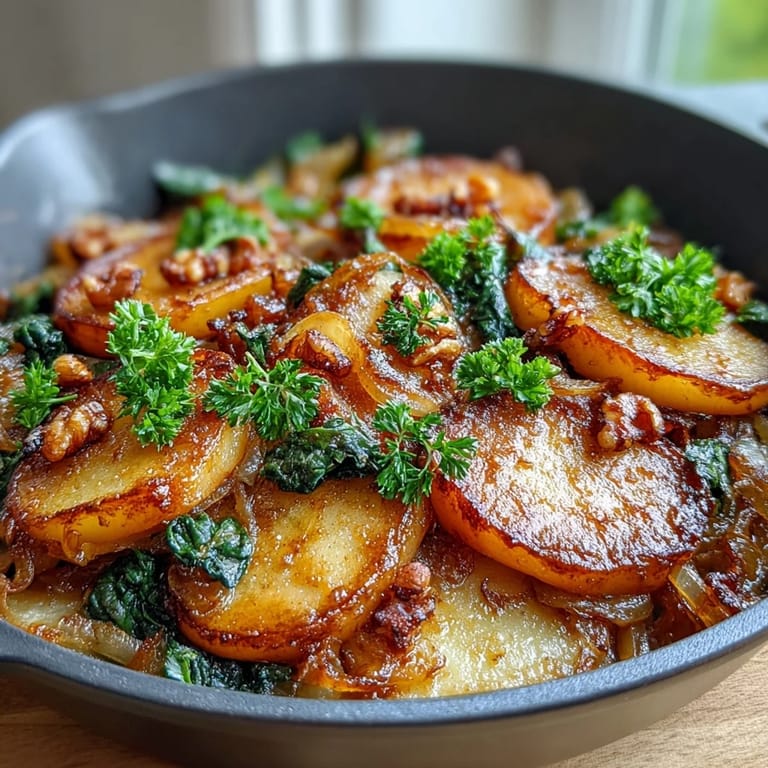
- Add your sliced apples and red onion together, stirring every couple of minutes while you listen to them soften and start to turn amber at the edges—about 6 to 8 minutes total. You're looking for that moment when the kitchen smells like a cinnamon dream but the ingredients haven't turned mushy.
- Add sweetness and spice:
- Drizzle the honey or maple syrup over everything, sprinkle caraway seeds if you're using them, then season with salt and pepper. Stir gently for about a minute so the seasonings coat everything and the honey dissolves into the pan's warmth.
- Introduce the sauerkraut gently:
- Lower the heat to low, then fold in your drained sauerkraut with a wooden spoon, stirring every 30 seconds or so for 2 to 3 minutes until it's warmed through but not dried out. You want it to taste alive, not like something that sat in the back of the cabinet.
- Wilt the greens:
- Remove the skillet from heat, then scatter your spinach or arugula over the warm mixture and toss gently until the leaves soften and darken just slightly. Don't overdo this—greens wilt fast and you don't want them to disappear.
- Finish and serve:
- Transfer everything to a platter or serving bowl, scatter the toasted nuts and fresh parsley across the top, and bring it to the table while it's still warm. The temperature is part of the experience here.
 Save
Save My mom tried this last spring and called me later to say it reminded her of something her mother used to make, which turned into this whole conversation about how food carries memory in ways we don't expect. That's when I understood this dish isn't just about the flavors—it's about what happens when we actually sit down and eat together instead of just refueling.
Why Warm Matters Here
Temperature changes everything about this dish—when it's warm, the caramelized apples are still tender, the sauerkraut feels comforting rather than sharp, and the greens soften into the mixture without falling apart. Served cold the next day, it becomes almost a slaw, which isn't bad, but it loses that cozy quality that made you want to make it in the first place. I've learned to make this when I actually want to serve it warm, rather than thinking I'll just reheat something later.
Variations That Keep It Interesting
Once you've made this a couple times, your kitchen starts suggesting possibilities—I've added thin slices of fennel for brightness, a splash of apple cider vinegar at the very end for tang, even a handful of raisins when I wanted something more indulgent. The core idea is flexible enough to move with the seasons and what you're craving that week.
Pairing and Serving Ideas
This works beautifully as a warm side next to roasted pork or good sausages, but I've also eaten it as a standalone lunch with good bread and cheese, and it holds its own completely. The tang and texture mean it doesn't feel like an afterthought—it's substantial enough to be the main reason you're eating.
- Serve alongside roast pork, duck, or sausages for that classic European pairing that just works.
- Use it as a vibrant bed for grilled fish or chicken if you want protein and vegetables in one bowl.
- Make it the centerpiece of a vegetarian meal with crusty bread and a sharp cheese for balance.
 Save
Save This recipe taught me that the most satisfying meals don't have to be complicated or require a trip to some specialty store. Sometimes the magic is just in paying attention to what you're doing and letting the simple ingredients talk to each other.
Your Questions Answered
- → What does warm apple and sauerkraut taste like?
The combination offers sweet-savory harmony. Caramelized apples provide natural sweetness that balances sauerkraut's tangy fermented flavor. Honey enhances the fruit notes while caraway seeds add subtle earthy warmth common in Eastern European cooking.
- → Can I serve this apple sauerkraut skillet cold?
While intended as a warm dish, it can be served at room temperature. The flavors meld nicely as it cools. Avoid refrigerating before serving, as cold temperatures mute the caramelized apple flavors and make the texture less appealing.
- → What type of apples work best for this skillet?
Firm, slightly tart apples like Honeycrisp, Gala, or Braeburn hold their shape during cooking. Softer varieties may break down too much. The apples should provide enough sweetness to complement sauerkraut's pronounced tang without becoming mushy.
- → How do I store leftovers of the warm skillet?
Store in an airtight container in the refrigerator for up to 3 days. Reheat gently over low heat, adding a splash of water if needed to prevent drying. The greens will continue wilting upon reheating, so they're best enjoyed fresh.
- → What proteins pair well with apple sauerkraut skillet?
Roast pork, smoked sausage, or bratwurst are classic pairings. The dish also complements roasted chicken or can stand alone as a vegetarian main. The tangy sauerkraut cuts through rich meats while apples add sweetness that balances savory proteins.