 Save
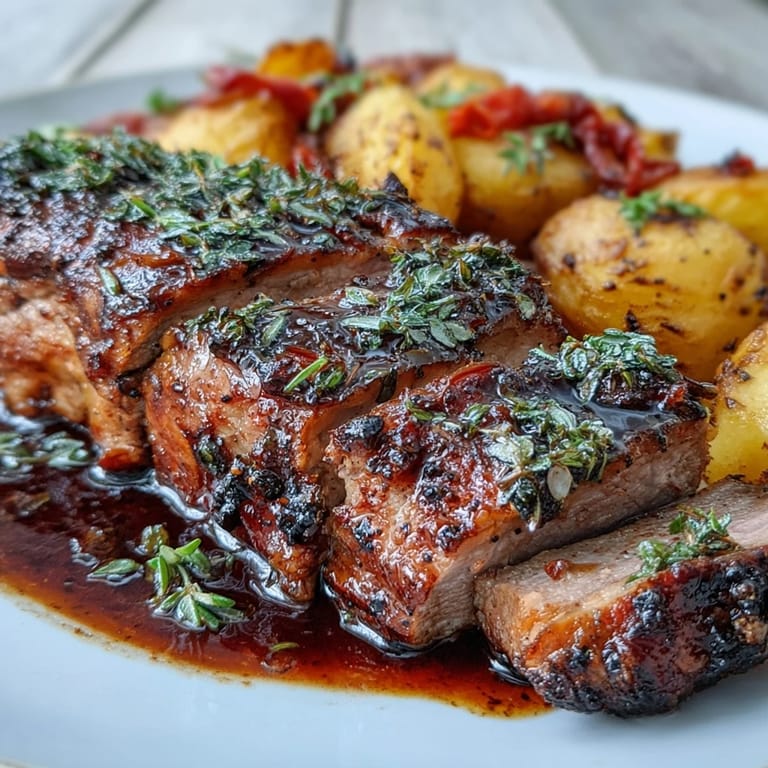
Save The smell of smoked paprika and rosemary hit me before I even opened the fridge that morning, and I knew the pork had been sitting in that marinade long enough to soak up every bit of flavor. I'd bought the Ibérico fillet on a whim at a specialty market after overhearing two women argue passionately about which cut made the best Sunday roast. The marbling on that pork was unlike anything I'd seen before, thin threads of fat that promised tenderness. I decided right there in the aisle that this wasn't going to be a weeknight meal, this was going to be the kind of dinner that made people lean back in their chairs and sigh.
I made this for my sister's birthday dinner last spring, and she still brings it up every time we talk about food. She'd just moved into a new apartment with a kitchen bigger than a shoebox, and I wanted to help her christen the oven properly. We drank wine while the potatoes crisped up, the windows fogged from the heat, and she kept opening the oven door to peek at the pork even though I told her not to. When I sliced into that fillet and the juices ran pink and clear, she actually clapped.
Ingredients
- Ibérico pork fillet: This is the star, marbled with fat that melts during cooking and keeps the meat impossibly juicy; if you can't find it, regular pork tenderloin works but won't have quite the same richness.
- Extra virgin olive oil: Use a good one for the marinade since it carries all those garlic and herb flavors deep into the meat, and another drizzle at the end makes everything shine.
- Garlic: Minced fine so it clings to the pork and doesn't burn during the sear; I learned that the hard way with bitter, charred bits my first attempt.
- Fresh rosemary: Chop it finely or it turns into little woody needles in your teeth, but the piney fragrance it gives the pork is worth the extra knife work.
- Smoked paprika: This is pimentón, the soul of Spanish cooking, smoky and sweet and just a little earthy; don't skip it or use the regular kind.
- Lemon zest and juice: Brightens the marinade and cuts through the richness of the pork, plus it smells incredible when you grate that zest right into the bowl.
- Sea salt and black pepper: Simple seasonings that let the pork and paprika speak for themselves without any fuss.
- Small new potatoes: Quartered so they get crispy edges and creamy centers, and their thin skins mean no peeling required.
- Fresh thyme: Toss it with the potatoes before roasting and it perfumes the whole tray, little leaves that turn crisp and golden.
- Red bell peppers: They caramelize in the oven and turn almost jammy, sweet enough to balance the smoky pork.
Tired of Takeout? 🥡
Get 10 meals you can make faster than delivery arrives. Seriously.
One email. No spam. Unsubscribe anytime.
Instructions
- Marinate the Pork:
- Whisk together the olive oil, garlic, rosemary, smoked paprika, lemon zest, lemon juice, salt, and pepper until it looks like a rusty red paste. Rub it all over the pork fillet, making sure every inch is coated, then cover it tightly and let it sit in the fridge overnight so the flavors can really sink in.
- Prepare the Oven:
- Crank your oven up to 220°C and let it heat fully while you get everything else ready. A hot oven is what gives those potatoes their crispy edges and caramelizes the peppers just right.
- Roast the Potatoes:
- Toss the quartered potatoes with olive oil, salt, pepper, smoked paprika, and thyme leaves until they're slick and fragrant. Spread them out on a baking tray in a single layer, no crowding, and roast for 35 to 40 minutes, giving them a good stir halfway through so they brown evenly.
- Roast the Red Peppers:
- On a separate tray, toss the pepper strips with olive oil, sliced garlic, and a pinch of salt, then slide them into the oven. They'll need about 20 to 25 minutes to soften and char at the edges, and your kitchen will smell like a Spanish mercado.
- Cook the Pork:
- Pull the pork from the marinade and pat it dry with paper towels so it sears instead of steams. Heat a tablespoon of olive oil in an ovenproof skillet over medium high heat until it shimmers, then sear the pork for 2 to 3 minutes per side until it's deep golden brown, then pop the whole skillet into the oven for 12 to 15 minutes until the internal temperature hits 63°C, and let it rest for 5 minutes before slicing.
- Serve:
- Slice the pork into thick medallions and arrange them on plates with the crispy potatoes and caramelized peppers. Spoon any pan juices over the top and step back to admire your work.
 Save
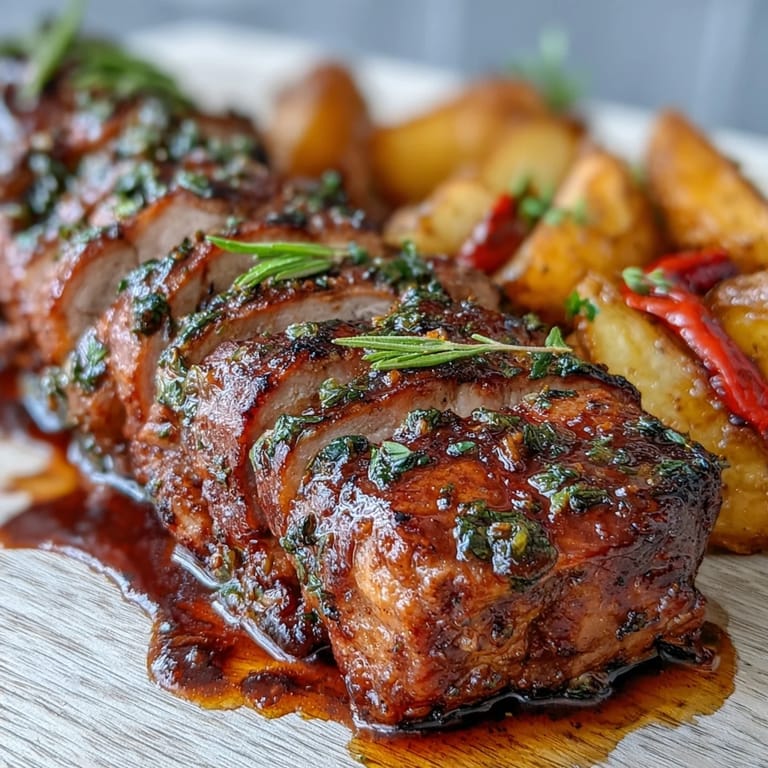
Save There's a moment when you set this down on the table and everyone goes quiet for a second, just taking it in. The pork glistening with those pan juices, the potatoes piled high and golden, the peppers soft and sweet on the side. It's the kind of meal that makes people feel cared for, like you put thought and time into something just for them. I've served this at dinner parties and quiet Sunday suppers alike, and it never fails to make the evening feel a little more special.
Choosing Your Pork
Ibérico pork is worth seeking out if you can find it, the pigs are raised on acorns and the fat has this nutty, almost sweet quality that regular pork just doesn't have. I found mine at a butcher who imports Spanish meats, but I've also seen it at higher end grocery stores in the specialty section. If you can't track it down, a good quality pork tenderloin will still give you a tender, flavorful result, just adjust your cooking time since tenderloin can be a bit leaner. The key is to not overcook it, pork is safe at 63°C and staying at that temperature keeps it juicy instead of dry.
Timing Your Sides
The beauty of this meal is that the potatoes and peppers roast while you're dealing with the pork, so everything comes together at once. I usually start the potatoes first since they take the longest, then add the peppers to the oven about 15 minutes later. By the time the pork is resting, the vegetables are done and you can plate everything up without anything getting cold. If your oven is small, you can roast the vegetables earlier and reheat them for a few minutes while the pork rests, they'll still be delicious.
Serving and Pairing
This dish begs for a good Spanish red wine, something with a bit of body like a Rioja or a Ribera del Duero that can stand up to the smoky paprika and rich pork. I also like to scatter some chopped fresh parsley over the top right before serving, it adds a pop of color and a fresh herbal note. A squeeze of lemon over the pork at the table brightens everything up, and if you want to go all out, a small dish of aioli on the side for dipping the potatoes is never a bad idea.
- Slice the pork against the grain for the most tender bites.
- Save any leftover marinade to brush on chicken or vegetables later in the week.
- Leftovers reheat beautifully in a low oven, just wrap the pork in foil to keep it from drying out.
 Save
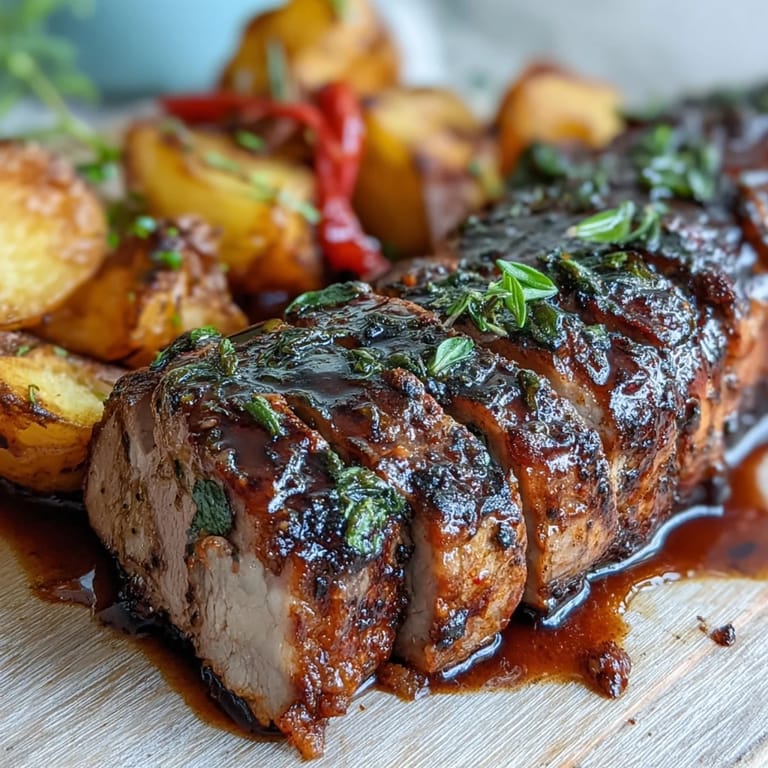
Save This is the kind of recipe that makes you look like a much better cook than the effort required, and I mean that in the best way. Once you've made it, it'll become one of those meals you return to whenever you want to impress someone or just treat yourself to something special.
Your Questions Answered
- → Can I use regular pork tenderloin instead of Ibérico?
Yes, regular pork tenderloin works well as a substitute. Keep in mind that cooking times may vary slightly, so use a meat thermometer to ensure it reaches 63°C (145°F) internal temperature.
- → How long should I marinate the pork?
The pork should marinate for a minimum of 8 hours, but overnight marinating is recommended for the best flavor penetration and tenderness.
- → What if I don't have smoked paprika?
Regular paprika can be used, though you'll lose the distinctive smoky depth. For a closer match, try adding a tiny pinch of cumin or a drop of liquid smoke to regular paprika.
- → Can I prepare components ahead of time?
Absolutely. The pork can marinate up to 24 hours. You can also prep the potatoes and peppers earlier in the day, then roast everything fresh when ready to serve.
- → What wine pairs best with this dish?
A Spanish red wine like Rioja or Ribera del Duero complements the smoky, savory flavors beautifully. A medium-bodied Tempranillo is an excellent choice.
- → How do I know when the pork is perfectly cooked?
Use a meat thermometer to check for an internal temperature of 63°C (145°F). The meat should be slightly pink in the center and rest for 5 minutes before slicing to retain juices.