 Save
Save The first time I made Turkish köfte, I was standing in a cramped Istanbul kitchen with my friend's grandmother, who moved my hands away from the mixture three times because I wasn't being gentle enough. She'd taught me that day: the meat wants to stay tender, not get beaten into submission. Years later, I finally understand why those meatballs tasted like nothing else I'd ever made, and now whenever I form them with slightly damp hands, I think of her patient corrections.
I made these for a potluck once and watched my neighbor eat five in a row without pausing, then ask what they were as if she'd just tasted something from another world. That's when I realized these weren't just good—they were the kind of food that makes people stop talking and start eating.
Ingredients
- Ground beef or lamb (500 g): A mix of the two gives you the best flavor, but pure lamb tastes more authentically Turkish if that's what you prefer.
- Fine bulgur (100 g): This isn't just filler; it absorbs the meat's juices and keeps the meatballs from drying out, no matter how you cook them.
- Small onion, finely grated (1): The texture matters here—grating instead of mincing releases the onion's moisture, which helps bind everything together.
- Garlic, minced (2 cloves): Don't skip or reduce this; garlic is what makes them smell incredible while they cook.
- Fresh parsley, finely chopped (2 tbsp): This is your green note, the thing that keeps them from tasting one-dimensional.
- Fresh mint, finely chopped (1 tbsp or 1 tsp dried): Fresh is always better, but dried mint works if that's what you have; it adds a cool, slightly floral edge.
- Ground cumin (1 tsp): This spice is the backbone; it's warm and earthy without being aggressive.
- Paprika (1 tsp): Use the regular kind, not smoked, unless you want a deeper, almost bacon-like undertone.
- Black pepper (½ tsp): Freshly cracked tastes noticeably better than pre-ground.
- Chili flakes (½ tsp, optional): A small amount just hints at warmth, but leave it out if anyone eating is spice-sensitive.
- Salt (1 tsp): Taste your mixture before you form the meatballs; you might want slightly more depending on how salty your meat was.
- Large egg (1): This binds everything without making the meatballs dense or rubbery.
- Olive oil (2-3 tbsp for pan-frying or oil spray for grilling): Good olive oil adds flavor here, not just lubrication.
Tired of Takeout? 🥡
Get 10 meals you can make faster than delivery arrives. Seriously.
One email. No spam. Unsubscribe anytime.
Instructions
- Soften the bulgur:
- Pour warm water over the bulgur and let it sit. You'll watch it absorb the water and puff up slightly, almost like it's waking up. This takes about 10 minutes, and it's the difference between tender meatballs and ones with a grainy texture.
- Build the mixture:
- Add all your meat, aromatics, and seasonings to the bowl with the bulgur. The moment you add the egg, the mixture transforms—it becomes cohesive and slightly sticky, like it's ready to hold together.
- Mix with intention:
- Use your hands and mix gently until everything is combined. Your hands will warm the mixture slightly, which is fine, but don't overmix or knead it like dough.
- Form with damp hands:
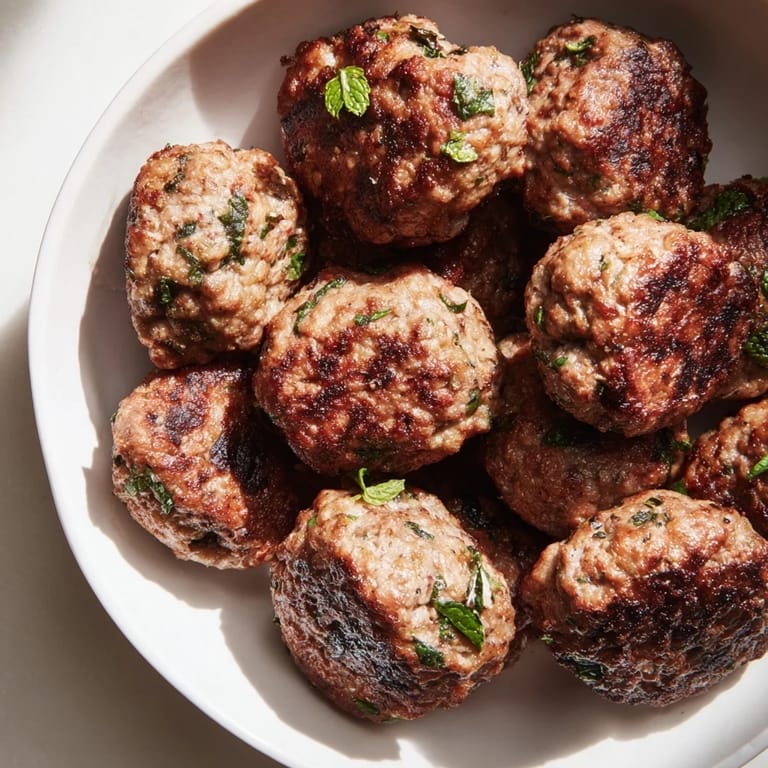
- Wet your hands slightly so nothing sticks, then roll each portion into an oval or round about the size of a walnut. The damp hands are crucial; they keep the mixture from clinging and actually help you form neater shapes.
- Pan-fry with patience:
- Heat olive oil over medium heat until it shimmers, then add meatballs without crowding the pan. Let them sit for 3-4 minutes per side to develop a golden crust, resisting the urge to move them around constantly.
- Grill for char:
- If using a grill, make sure the grates are hot and lightly oiled. Meatballs need about 3-4 minutes per side to get those beautiful charred edges and cook through, and a grill gives them a smokiness that pan-frying can't quite match.
- Serve at the right moment:
- Serve them hot, ideally right from the pan or grill when they're still steaming slightly. They're good warm and okay at room temperature, but they're best when they're just finished cooking.
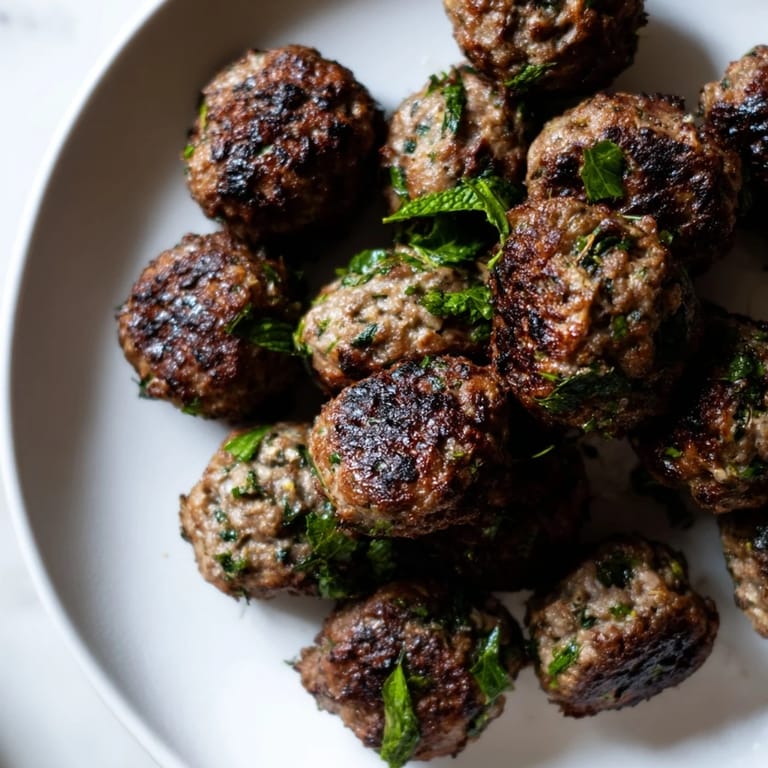 Save
Save I made these köfte for my partner one random Tuesday when I didn't know what else to cook, and they became the thing I'm asked to make again and again. That's when food stops being just dinner and becomes a language all its own.
Why These Meatballs Are Different
Most meatballs rely on breadcrumbs to hold moisture, but bulgur does something special—it absorbs the meat's juices and swells up, creating a texture that's simultaneously light and substantial. The fresh herbs don't get cooked down to nothing either; they stay bright and present, which is why each bite tastes alive instead of flat. This is the recipe that taught me that Turkish food isn't about complicated techniques, it's about honoring simple ingredients in the right way.
The Pan Versus the Grill
Pan-frying gives you control and a consistent golden crust, which is why I reach for it when I'm cooking on a weeknight and want reliable results. Grilling adds a smokiness and slight char that pan-frying can't quite achieve, plus there's something satisfying about watching them sear over open heat. If you grill, just make sure your grates are hot enough and your meatballs don't stick; that's usually a sign the grill wasn't hot enough to begin with.
Serving and Storage
These taste best with something cool and tangy—a dollop of thick yogurt mixed with cucumber and garlic is traditional, but they're equally good with a fresh salad or pilaf. They freeze beautifully; shape them raw on a tray, freeze overnight, then transfer to a bag, and cook straight from frozen just add a couple extra minutes to the cooking time.
- A squeeze of lemon over the warm meatballs brightens everything and ties the flavors together.
- Leftover meatballs make an excellent addition to rice bowls the next day or can be warmed gently and eaten as a snack.
- If you want a saucier dish, simmer the cooked meatballs in tomato sauce for 5-10 minutes before serving.
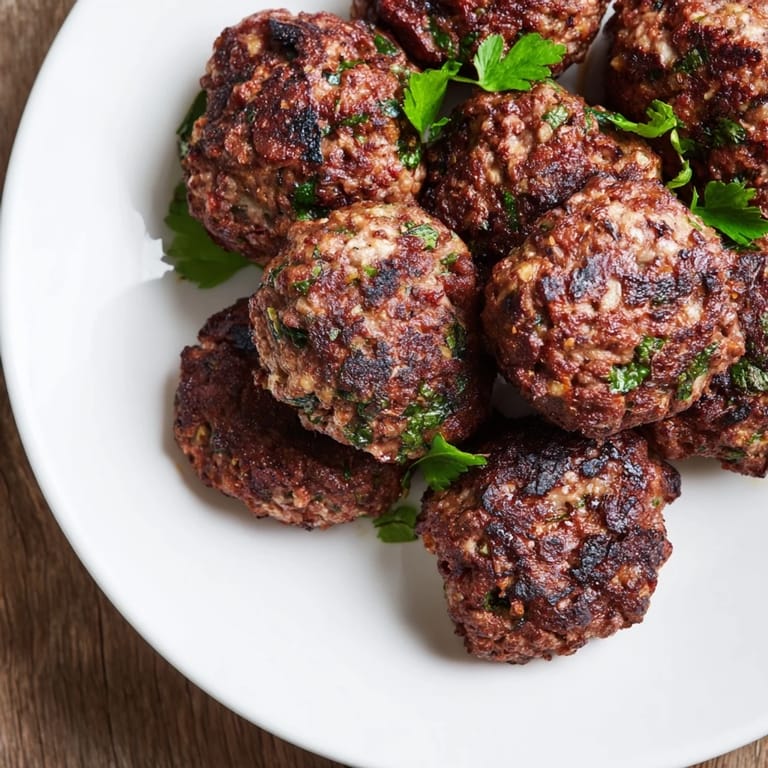 Save
Save These köfte remind me that some of the best dishes don't need to be fussy or pretentious to be delicious. They just need respect and a little bit of care.
Your Questions Answered
- → What makes Turkish köfte unique?
Turkish köfte stand out due to their combination of ground meat with bulgur and fresh herbs, providing a tender texture and aromatic flavor.
- → Can I use different meats in this dish?
Yes, you can use ground beef, lamb, or a mix of both to suit your flavor preference.
- → How do I achieve a crispy exterior on the meatballs?
Cooking over medium heat either by pan-frying with olive oil or grilling allows the outside to crisp while keeping the interior tender.
- → Is soaking bulgur necessary?
Soaking bulgur softens it and helps bind the mixture, ensuring a cohesive and tender texture in the meatballs.
- → What side dishes complement these meatballs?
Serving with rice, fresh salads, flatbreads, or grilled vegetables enhances the meal and balances the flavors.
- → Can these meatballs be frozen?
Yes, shape the meatballs and freeze them on a tray before transferring to a bag, allowing for convenient future meals.