 Save
Save The first time I tasted döner was on a street corner in Istanbul, where the vertical spit turned endlessly under heat lamps, and I watched a vendor slice paper-thin ribbons with practiced ease. Years later, in my own kitchen, I discovered that recreating that magic didn't require a professional rotisserie—just patience, the right marinade, and respect for the layering. The spiced yogurt coating transforms humble sliced meat into something tender and complex, each bite carrying warmth from cumin, coriander, and a whisper of cinnamon. Now this recipe is how I chase that Istanbul feeling whenever I want.
I made this for a dinner party last fall when a friend mentioned missing döner since a trip to Turkey, and watching their face light up when they took that first bite made me realize food carries memory in a way nothing else does. The flatbread caught steam from the fresh toppings, yogurt sauce pooled at the edges, and suddenly my kitchen became the place where travel happens without leaving home.
Ingredients
- Boneless lamb shoulder or beef sirloin, thinly sliced (1 kg): This is the foundation—lamb gives you that authentic richness, but beef works beautifully too and costs less; ask your butcher to slice it thin or partially freeze it first to make slicing easier.
- Lamb fat or beef fat, thinly sliced (100 g, optional): This is what separates homemade döner from the rest, adding moisture and that signature flavor; if you skip it, the meat will still be good, just less luxurious.
- Plain Greek yogurt (150 g): Thicker than regular yogurt, it clings to the meat and tenderizes it from the inside out while adding tang.
- Olive oil (3 tbsp): Use something you'd actually taste by itself; this isn't the time for harsh oil.
- Garlic, minced (3 cloves): Fresh is non-negotiable—jarred garlic will muddy the spices.
- Large onion, grated with juice squeezed out (1): Squeezing out the juice matters more than you'd think; too much liquid and your marinade becomes soup instead of coating.
- Ground cumin (2 tsp): Toast your own and grind it if possible; the difference is startling.
- Ground coriander (2 tsp): Floral and warm, this is the spice that makes people pause and ask what they're tasting.
- Sweet paprika (2 tsp): Gives color and mild sweetness without heat.
- Smoked paprika (1 tsp): The quiet backbone that makes you swear there was a charcoal grill involved.
- Ground black pepper (1 tsp): Freshly cracked if you have it; pre-ground fades.
- Salt (1½ tsp): Don't hold back; the yogurt needs seasoning to sing.
- Ground cinnamon (½ tsp): Just enough to confuse and delight—people taste it without naming it.
- Chili flakes, optional (½ tsp): For those who like heat creeping in at the edges.
Tired of Takeout? 🥡
Get 10 meals you can make faster than delivery arrives. Seriously.
One email. No spam. Unsubscribe anytime.
Instructions
- Build your marinade:
- In a large bowl, whisk yogurt and olive oil until smooth, then add minced garlic and that grated onion with juice already pressed out. Stir in all the spices—cumin, coriander, both paprikas, pepper, salt, cinnamon, and chili flakes if using—until the mixture is fragrant and evenly colored.
- Coat the meat thoroughly:
- Add your sliced meat (and fat slices, if using) to the marinade, working it in gently with your hands until every piece is coated. This is meditative work; don't rush it.
- Let time do its work:
- Cover and refrigerate for at least 4 hours, though overnight is when the real transformation happens. The yogurt works slowly, tenderizing and flavoring deeper as the hours pass.
- Prepare your vessel:
- Preheat your oven to 200°C (400°F) about 20 minutes before you're ready to cook. If using metal skewers, have them ready; if using a loaf pan, lightly oil it first.
- Layer and compress:
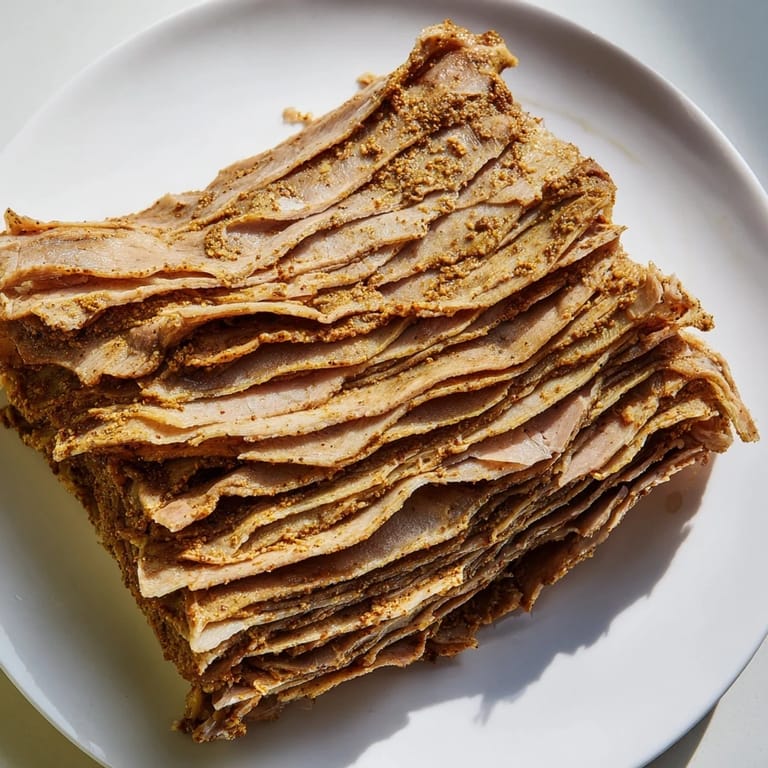
- Thread marinated meat onto skewers, pressing down hard to create a compact, cohesive stack that holds together, or layer it into your pan the same way—tight, pressing as you go. This compression is what gives döner its signature texture.
- Roast with patience:
- Place your skewers on a rack over a baking tray and roast for about 1 hour, basting with the pan juices every 15 minutes or so. For the last 15 minutes, crank the heat to 220°C (430°F) for that caramelized crust.
- Rest and slice:
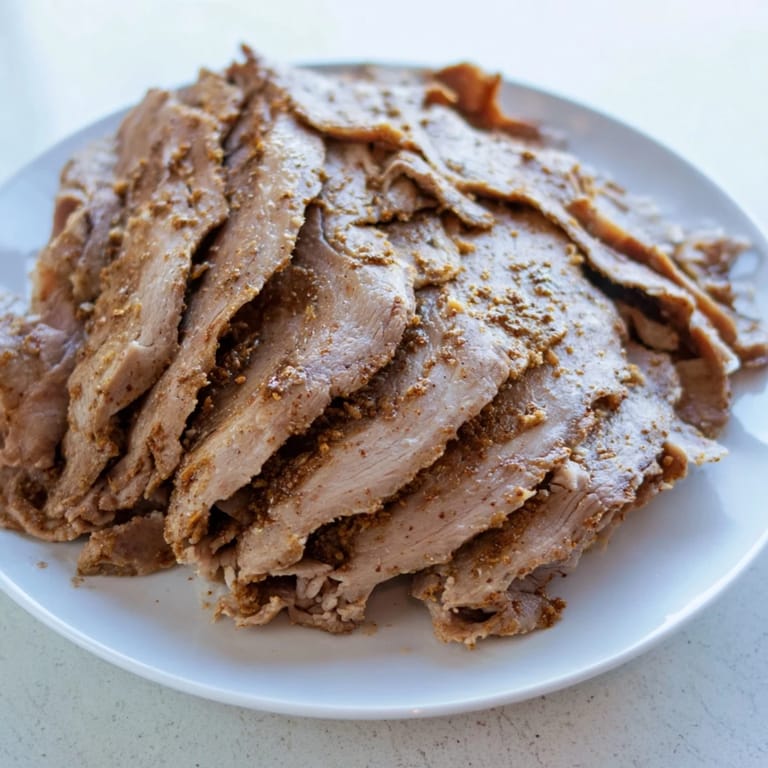
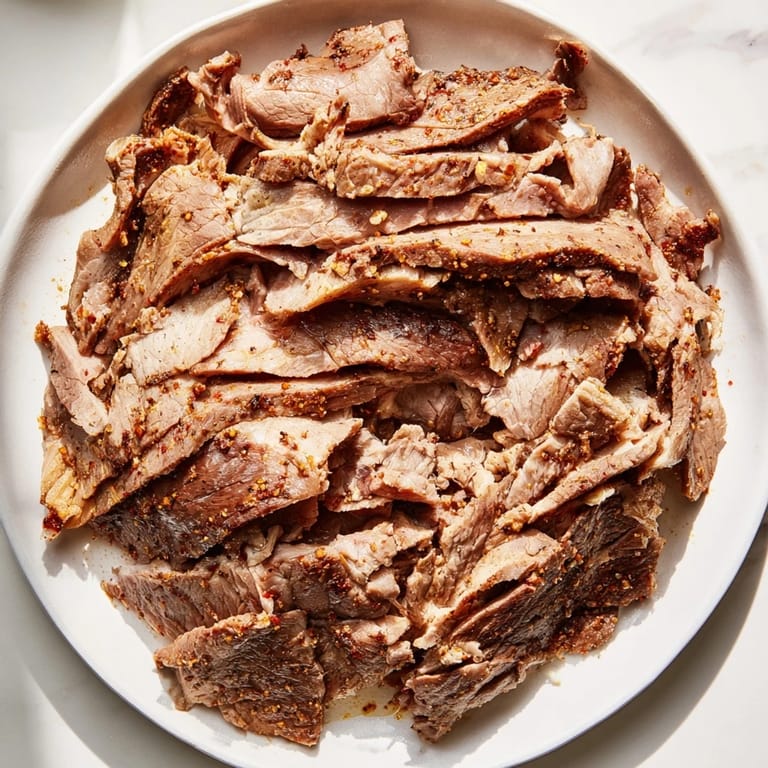
- Let everything rest for 10 minutes—this keeps the juices where they belong, inside the meat. Then, with your sharpest knife, slice the meat thinly against the grain, catching that beautiful, tender texture that's been building for hours.
- Serve at the moment:
- Warm flatbread goes first, then meat, then vegetables and sauce piled high. The warmth of everything meeting together is when this dish becomes what it's meant to be.
 Save
Save I once made this for my dad while he was recovering from surgery, and he asked for it again three days in a row. He couldn't eat much, but döner in warm bread with yogurt seemed to settle something in him—not just hunger, but comfort of the kind that only comes from food that tastes like care.
On Meat Selection and Texture
The difference between good döner and great döner lives in how thin you slice the meat before marinating. Ask your butcher to use their slicer, or freeze the meat for an hour first and use a sharp knife at a gentle angle; thinner meat marries the spices faster and cooks more evenly. Some cooks worry about slicing being too difficult, but the effort pays in every bite—thick pieces stay tough no matter how long you marinate, while thin ones become silk. The fat layers, if you use them, should be sliced the same thickness; they melt into the meat as it cooks, carrying flavor into every grain.
The Marinade as Philosophy
This marinade works because yogurt is both acid and fat, tenderizing the meat while keeping it juicy. The spice blend—cumin, coriander, paprika, and that hint of cinnamon—comes from Turkish tradition, but it's flexible if you taste where you are. I once added a pinch of sumac on a whim because I had it open, and the brightness it added was unexpected and real. The key is balance: too much salt and the meat becomes harsh, too little and it disappears. Taste the marinade before the meat goes in; it should taste bold and aromatic, almost aggressive, because cooking mellows everything.
Building Flavor Beyond the Marinade
The magic happens in the oven when meat meets heat and the marinade caramelizes into a crust while the interior stays tender. Basting with pan juices keeps the meat moist and deepens the flavor; those drippings are liquid gold. If you have time, broil for the last 5 minutes instead of just turning up the heat—you'll get more color and complexity. The resting period matters too; it redistributes juices and makes slicing cleaner.
- A vertical rotisserie would give you that authentic restaurant taste, but an oven with good basting does 90% of the work.
- If your oven runs cool, the meat may need an extra 10–15 minutes; watch for deep browning and meat that's cooked through but still moist.
- Leftovers reheat best in a low oven with a little water to steam them; microwaving dries them out.
 Save
Save This recipe brings a little piece of Istanbul into your kitchen, and it tastes like memory and care layered together. Make it once, and you'll understand why it's one of the world's great street foods.
Your Questions Answered
- → What cut of meat is best for Turkish doner?
Boneless lamb shoulder or beef sirloin thinly sliced works best for tender, flavorful layers.
- → How long should the meat marinate?
For optimal flavor, marinate the meat for at least 4 hours, preferably overnight.
- → Can I cook doner meat without a vertical rotisserie?
Yes, you can roast the layered meat on skewers or in a loaf pan in the oven for similar results.
- → What spices give Turkish doner its distinctive flavor?
Cumin, coriander, sweet and smoked paprika, black pepper, cinnamon, and optional chili flakes create the signature taste.
- → How should doner meat be served?
Thinly sliced and served with warm flatbreads or rice, accompanied by fresh vegetables and yogurt or garlic sauce.
- → Is it possible to substitute meat types?
Yes, chicken thighs can be used for a lighter alternative without compromising flavor.