 Save
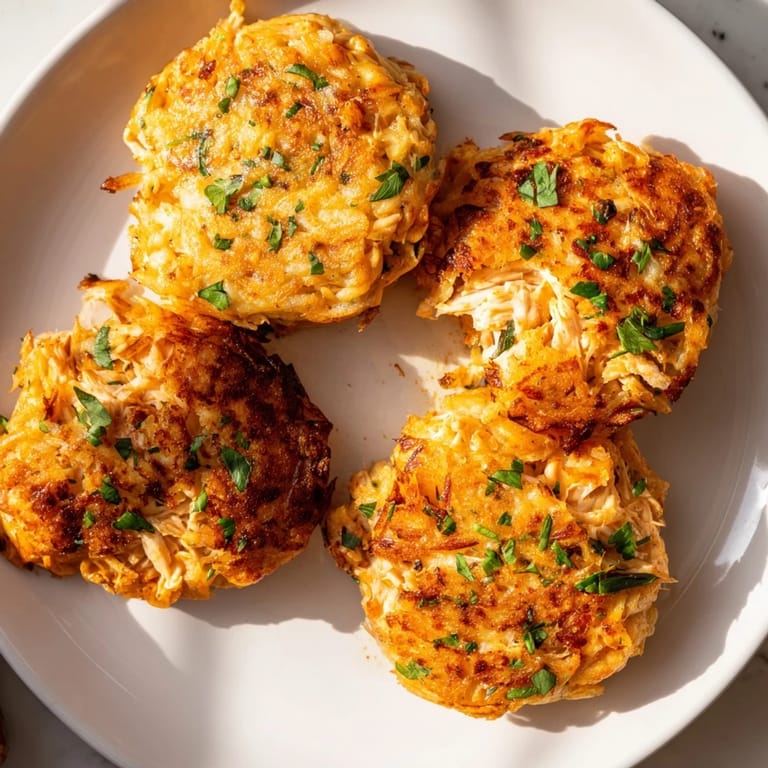
Save There was a Tuesday evening when I had leftover mashed potatoes and some shredded chicken in the fridge, and instead of the usual rehash, I decided to crisp them together into something golden and unexpected. My kitchen filled with that irresistible sizzle the moment the first patty hit the hot skillet, and I realized I'd stumbled onto something my family would ask for again and again. These potato and chicken cakes became the kind of dish that transforms scraps into something people actually crave.
I remember bringing these to a potluck once, skeptical they'd survive the car ride, but people stood around the table eating them while they were still warm. Someone asked for the recipe between bites, and I found myself explaining that they're just mashed potatoes and chicken bound together with an egg and cheese, fried until the outside shatters. It was the moment I realized comfort food doesn't need to be complicated to be memorable.
Ingredients
- Mashed potatoes (2 cups, cooled): They're the foundation, so make sure they're actually cooled or the mixture becomes too soft to shape; room temperature is your friend here.
- Cooked chicken, shredded (1 1/2 cups): Use whatever you have—leftover roasted, rotisserie, or boiled—the key is that it's tender and pulls apart easily.
- Scallions, finely sliced (1/3 cup): These add a quiet brightness that wakes up every bite without announcing themselves loudly.
- Large eggs (2): They act as the glue holding everything together; don't skip them or your cakes will fall apart in the pan.
- Shredded cheddar cheese (1/2 cup): Sharp cheddar melts into the potato mixture and adds a savory depth that makes people ask what that flavor is.
- Fresh parsley, chopped (1/4 cup): Besides the fresh color and taste, it gives the mixture personality and shows these aren't just plain potato cakes.
- Flour (1/3 cup, gluten-free or all-purpose): This helps bind and also creates a slight crust; don't add more than called for or they'll become dense and heavy.
- Garlic powder (1/2 teaspoon): A whisper of garlic is all you need; it seasons without overpowering.
- Paprika (1/2 teaspoon): It adds color and a faint warmth that hints at spice without any real heat.
- Salt and black pepper (1/2 teaspoon and 1/4 teaspoon): Taste as you mix; mashed potatoes absorb seasoning differently depending on how much cream or butter went into them.
- Vegetable oil for frying (3 tablespoons, more as needed): Medium heat and a good non-stick skillet mean you won't need much oil, but have extra ready for the second batch.
Tired of Takeout? 🥡
Get 10 meals you can make faster than delivery arrives. Seriously.
One email. No spam. Unsubscribe anytime.
Instructions
- Bring everything together:
- In a large bowl, combine the cooled mashed potatoes, shredded chicken, scallions, eggs, cheddar, parsley, flour, garlic powder, paprika, salt, and pepper. Mix gently with a fork or your hands until the ingredients are evenly distributed and the mixture holds together; you want it cohesive but not overworked.
- Shape into patties:
- Divide the mixture into 8 equal portions. Using slightly damp hands (so nothing sticks), shape each portion into a flat patty about half an inch thick. They don't need to be perfect circles; rustic edges look more honest anyway.
- Heat your pan:
- Pour 1 to 2 tablespoons of oil into a large non-stick skillet and set it over medium heat. Let it get hot enough that when you place a patty in, it sizzles immediately; this is how you get the golden crust.
- Fry in batches:
- Working in batches so you don't crowd the pan, carefully place the patties in the hot oil. Fry for 3 to 4 minutes on the first side until the edges turn golden and crispy, then flip and cook the other side for another 3 to 4 minutes. You'll hear and smell when they're ready.
- Finish and serve:
- Transfer the cooked cakes to a paper towel-lined plate to drain any excess oil. Serve them warm, maybe with a sprinkle of fresh parsley on top or a small dollop of sour cream on the side.
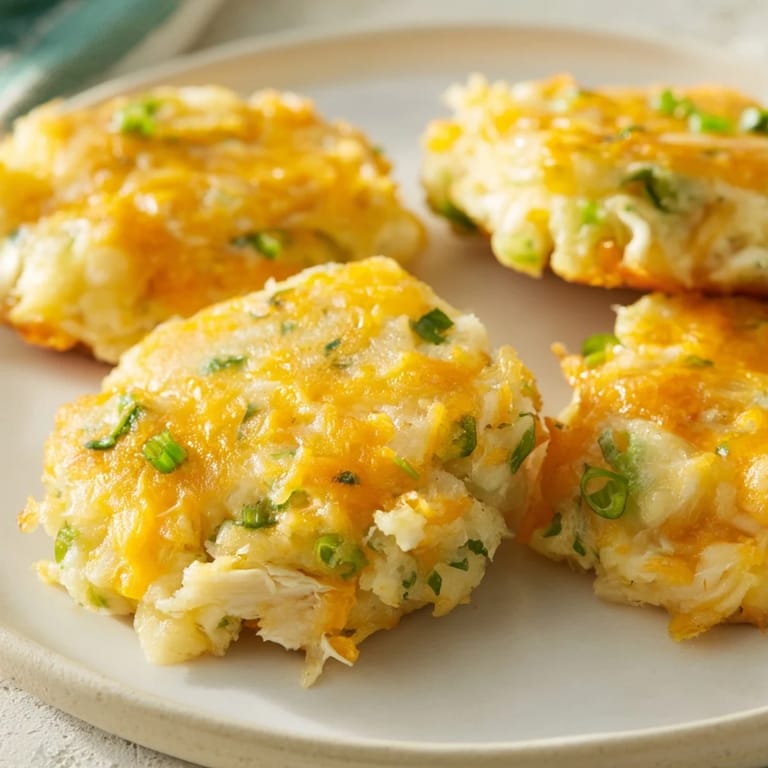 Save
Save The best version of this recipe came together when my eight-year-old helped me shape the patties, and for the first time in weeks she actually wanted to eat what we'd made together. There's something about food made with another person's hands that tastes different, better somehow.
Ways to Customize These Cakes
Once you understand the basic ratio, these cakes become a canvas. I've added sharp cheddar, mixed in crumbled bacon, stirred in roasted garlic, or topped them with a fried egg and called it breakfast. Some nights I mix in a tiny bit of Dijon mustard for complexity, other times just fresh dill if that's what I have. The chicken can swap for turkey, shredded pork, or even salmon if you're feeling adventurous. The formula stays the same; the story changes with what's in your kitchen.
Making Them Ahead of Time
I've shaped these cakes up to 8 hours in advance, covered them with plastic wrap, and kept them in the fridge until it was time to cook. This is actually when they're easiest to handle because the cold makes them firm and less likely to fall apart in the pan. You can also freeze them between parchment sheets and fry them straight from frozen, adding maybe a minute extra per side. It turns a last-minute dinner idea into actual meal prep.
Serving Suggestions and Pairings
These cakes work equally well as a casual weeknight dinner or dressed up as an unexpected appetizer at a gathering. A simple green salad with lemon vinaigrette cuts through the richness, or serve them alongside roasted vegetables and a dollop of sour cream mixed with fresh herbs. I've even crumbled leftovers into a salad the next day and felt like I'd invented something entirely new. The flexibility is part of their charm.
- A crisp green salad with tangy vinaigrette balances the richness beautifully.
- Steamed broccoli or roasted asparagus adds color and a vegetable element without much fuss.
- Sour cream mixed with fresh dill or chives on the side is the quiet luxury that elevates everything.
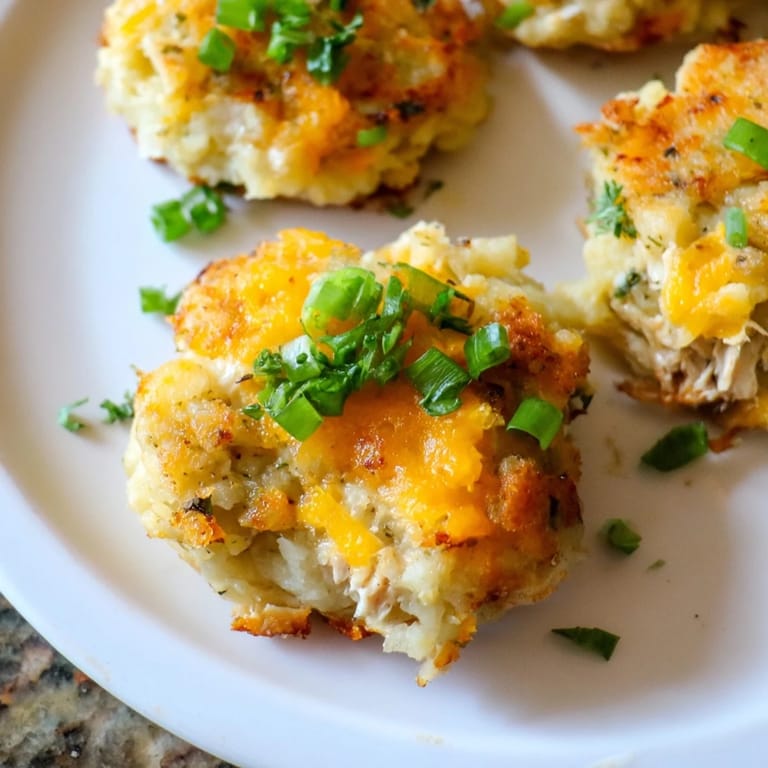 Save
Save There's something deeply satisfying about turning a handful of simple ingredients into something golden and crispy that people actually want to eat. These cakes remind me that the best food doesn't come from following someone else's story; it comes from using what you have and listening to what your kitchen is telling you.
Your Questions Answered
- → What type of potatoes work best for these patties?
Use starchy potatoes like russets for a fluffy mash that binds well and crisps up nicely when fried.
- → Can I substitute chicken with another protein?
Yes, cooked turkey can be used as an alternative without compromising flavor or texture.
- → How do I ensure the patties hold together while frying?
Chilling the shaped patties before frying helps them firm up and prevents breaking during cooking.
- → What cooking oil is recommended for frying?
Vegetable oil or any neutral oil with a high smoke point is ideal for achieving a crispy, golden crust.
- → How can I add extra flavor or spice to these patties?
Incorporate cayenne pepper for heat, Dijon mustard for tang, or fresh chives to elevate the flavor profile.
- → Are these patties suitable for gluten-free diets?
Yes, by using certified gluten-free flour, the patties can be enjoyed gluten-free without compromising texture.