 Save
Save The first time I watched my grandmother flip a pot of maqluba onto a platter, I held my breath. That dramatic inversion, where layers of meat, rice, and vegetables tumble onto the plate in a golden dome, felt like kitchen magic. She'd been making this Palestinian dish for decades, and I realized that day that maqluba isn't just about taste—it's about the moment when everything comes together, when patience and layering transform simple ingredients into something that looks as stunning as it tastes.
I made this for a small dinner party last winter when I wanted to impress without fussing over timing. What surprised me was how the anticipation built as we waited for it to finish cooking—the aroma filling the apartment, everyone asking what was in the pot. When I finally flipped it, the whole table cheered. That moment reminded me that food shared with people you care about becomes a memory, not just a meal.
Ingredients
- Bone-in lamb shanks or chicken pieces (900 g): Bone-in cuts stay tender and infuse the rice with rich flavor; lamb brings depth while chicken is lighter and cooks slightly faster.
- Black pepper, allspice, and cinnamon (1 tsp, 1 tsp, 1/2 tsp): This spice trio is the soul of maqluba—allspice and cinnamon create that warm, slightly sweet Middle Eastern signature that you can't skip.
- Long-grain basmati rice (2 cups): Rinsing and soaking prevents mushiness and keeps each grain separate; this step genuinely makes the difference between fluffy and gummy.
- Eggplant and potatoes: Roasting them separately ensures they stay crisp on the edges and don't turn soggy in the final cook.
- Turmeric and cumin (1/2 tsp each): These warm the rice and tie everything together with their earthy notes.
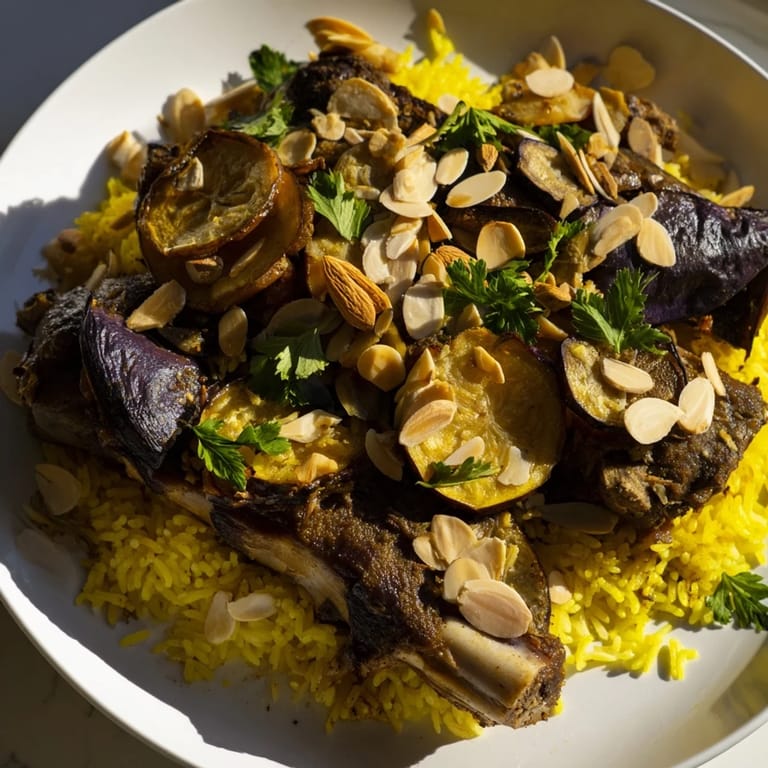
- Slivered almonds or pine nuts: Toasting them briefly before serving adds crunch and richness that makes guests ask for the recipe.
- Vegetable oil and broth: Oil for roasting and browning; broth becomes the cooking liquid that carries all the spices into the rice.
Tired of Takeout? 🥡
Get 10 meals you can make faster than delivery arrives. Seriously.
One email. No spam. Unsubscribe anytime.
Instructions
- Prepare your rice:
- Rinse the basmati rice under cold water until the water runs clear—this removes excess starch so the rice won't stick. Soak it for 30 minutes, then drain well; you'll notice it feels slightly tender when you touch it, ready to absorb flavor.
- Season and sear the meat:
- Pat the lamb or chicken dry, coat it generously with the pepper, allspice, cinnamon, and salt. Heat oil in your pot over medium-high heat and sear the meat on all sides until it's deeply browned; don't rush this step because the color means flavor.
- Build a flavor base:
- Add sliced onions to the pot and let them soften into the browned bits at the bottom. Pour in broth to cover the meat, bring it to a simmer, and let it cook gently for 30–40 minutes until the meat is mostly tender and the broth smells incredible.
- Roast the vegetables:
- While the meat cooks, preheat your oven and brush eggplant and potato slices with oil. Roast them for 20–25 minutes until their edges turn golden and they're fork-tender; they should feel slightly caramelized, not soft all the way through.
- Layer with care:
- In your heavy pot, start with a single layer of tomato slices on the bottom—they'll create a light sauce as everything cooks. Layer the roasted potatoes next, then eggplant, then the cooked meat and onions, and finish by spreading the drained rice on top and pressing it gently to compact the layers.
- Add the cooking liquid:
- Stir turmeric and cumin into the reserved broth, then pour it over the rice until it just reaches the top—usually 3–4 cups. The rice will absorb this as it cooks, carrying all those spices through every grain.
- Create a seal:
- Place a heatproof plate or lid slightly smaller than your pot directly on top of the rice to keep the layers compressed. Cover the pot tightly with its lid; this traps steam and prevents the rice from drying out.
- Cook gently and patiently:
- Bring everything to a simmer over medium heat, then lower it to the gentlest heat you can manage. Let it cook undisturbed for 35–40 minutes—resist the urge to peek—until the rice is tender and all the liquid has been absorbed.
- Rest before the reveal:
- Turn off the heat and let the pot sit, still covered, for 15 minutes. This resting period lets everything settle and makes the inversion easier and cleaner.
- The dramatic flip:
- Place your largest serving platter upside-down over the pot. Hold them together firmly and flip with confidence in one quick motion; if you hesitate, it might shift. You'll hear it settle onto the platter—that's the sound of success.
- Finish and serve:
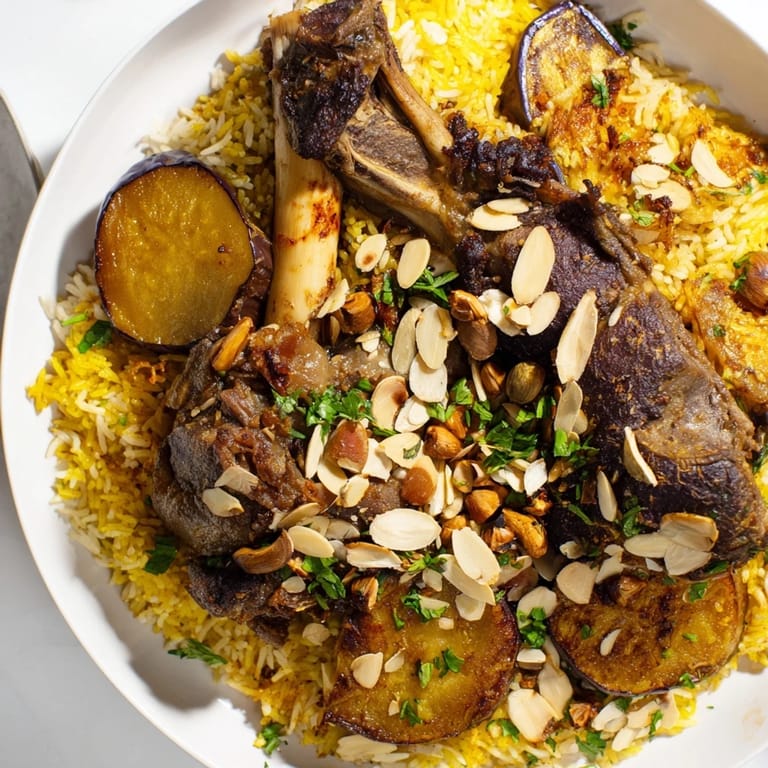
- Lift the pot away to reveal the golden dome. Scatter toasted almonds and fresh parsley over the top, and serve hot alongside cool yogurt or a fresh salad to balance the richness.
 Save
Save I remember my neighbor tasting this for the first time and closing her eyes as she ate, completely quiet. When she opened them, she asked if I'd learned to cook in Palestine, and I laughed and told her the story of how I'd learned from watching, asking questions, and making mistakes. That's when I understood—maqluba carries more than flavor; it carries patience, tradition, and the love of people who took time to share their knowledge.
Why the Layers Matter
Every layer in maqluba has a job. The tomatoes at the bottom soften and release their juice, creating a light sauce that keeps the rice from sticking. The roasted vegetables add texture contrasts—crispy edges against fluffy rice. The meat flavors everything around it as they cook together. When you flip it, those layers rearrange into a beautiful pattern that shows you've done it right. It's not random; it's intentional, and that's what makes it work.
Making It Your Own
The beauty of maqluba is that it adapts to what you have. Cauliflower works wonderfully instead of eggplant if that's what's in your kitchen. Boneless chicken thighs cook faster than lamb if you're short on time. I've even made it with ground meat pressed into the pot, and it turned out great. The structure stays the same; the flavors shift slightly depending on your mood and your pantry.
Serving and Storage Tips
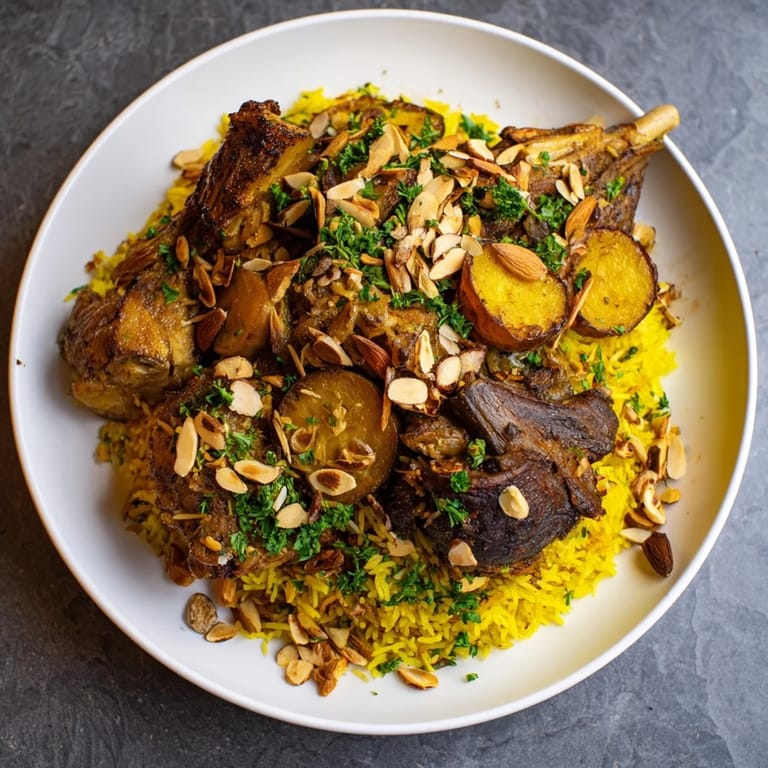
Maqluba is best served warm, right after you flip it, when the contrast between the hot rice and cool yogurt is most satisfying. Leftovers keep well in the fridge for three days, and you can reheat them gently in a covered pot with a splash of water to refresh the rice. Some people like it cold the next day as a rice salad, broken up and tossed with extra olive oil and lemon juice.
- Pair it with a simple cucumber-yogurt salad for freshness and balance.
- Serve alongside warm flatbread to scoop up any sauce clinging to your plate.
- A squeeze of fresh lemon juice over the top brightens all the warm spices perfectly.
 Save
Save Maqluba taught me that food can be both practical and ceremonial. It fills bellies and creates moments, all at the same time. When you master this dish, you're not just cooking—you're joining a tradition of people who understood that the most impressive meals are often the simplest ones, made with care and served with joy.
Your Questions Answered
- → What type of meat works best for this dish?
Bone-in lamb shanks are traditional for rich flavor, but chicken pieces can be used for a lighter version.
- → Can I substitute vegetables in the layers?
Yes, roasted cauliflower florets make a great alternative to eggplants and add a unique texture and taste.
- → How is the dish cooked without stirring?
The layers are carefully stacked in a pot then simmered gently to let steam cook the rice and blend flavors without disturbance.
- → What spices enhance the meat flavor?
Ground black pepper, allspice, cinnamon, and salt create a warm, aromatic profile complementing the meat beautifully.
- → How should I serve the finished layered dish?
Invert the pot onto a large serving platter to showcase the colorful layers, then garnish with toasted nuts and chopped parsley.
- → Is there a preferred side to accompany this dish?
A cucumber-yogurt salad offers a refreshing contrast that balances the hearty, spiced layers.