 Save
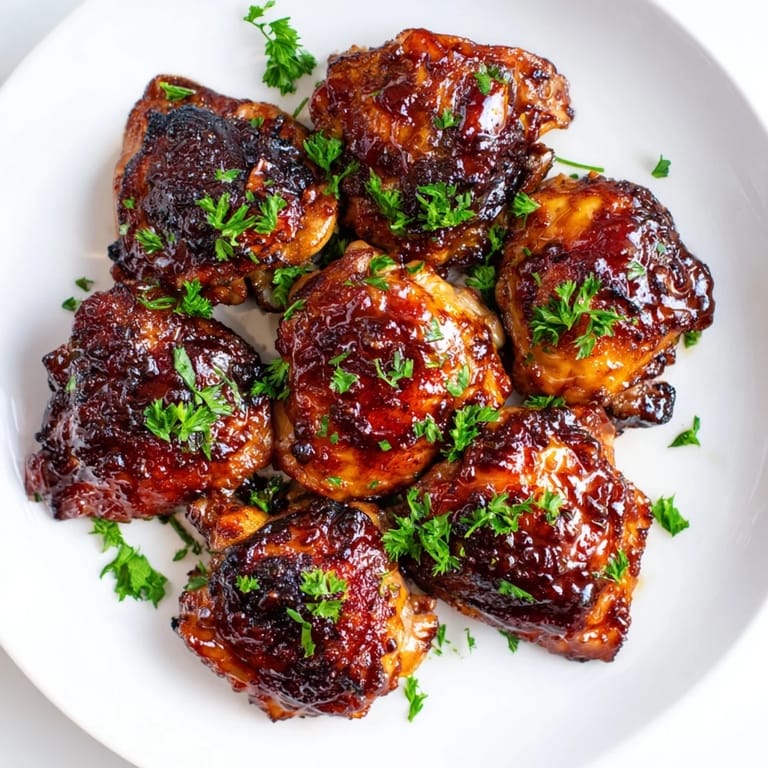
Save There's something about the smell of coffee mingling with caramelizing jam that makes the kitchen feel like it's working magic. I discovered this glaze combination almost by accident one evening, when I was rummaging through the pantry and found a nearly empty jar of apricot jam next to some cold leftover coffee. My husband was skeptical when I described what I was about to do, but forty minutes later, the chicken came out of the oven with this gorgeous mahogany sheen, and suddenly skepticism turned into seconds. That moment taught me that the best kitchen discoveries often come from constraints, not recipes.
I made this for a dinner party on a Thursday night when I should have been stressed but somehow wasn't. My friend Sarah arrived early and we spent twenty minutes in the kitchen watching the glaze bubble and darken through the oven window. When it came time to serve, one of our guests cut into a thigh and just paused—that look people get when flavors surprise them in the best way. She asked what was in the glaze, and when I listed coffee and jam, she laughed. That's the dish I think about when someone asks me to bring something special.
Ingredients
- Bone-in, skin-on chicken thighs (4): Dark meat stays tender even when you overbake it slightly, and the skin renders into something crackling and delicious—this is where the dish actually shines.
- Olive oil (1 tablespoon): Just enough to help the seasoning cling and the skin brown, nothing more.
- Salt and black pepper (½ teaspoon each): Season before the glaze goes on so the chicken itself tastes like something.
- Apricot jam (up to ¼ cup): That last bit in the jar is exactly where this recipe came from—use whatever you have, and don't fret if it's crystallized around the edges.
- Strong brewed coffee (2 tablespoons, cooled): The secret ingredient that adds depth without making things taste like coffee; think of it as a flavor amplifier for the other ingredients.
- Balsamic vinegar (1 tablespoon): Adds tang and helps the glaze stick to the chicken skin instead of sliding off.
- Dijon mustard (1 tablespoon): Emulsifies everything together and brings a subtle sharpness that prevents the glaze from tasting cloying.
- Brown sugar (1 tablespoon): Helps the glaze caramelize and gives it that restaurant-quality mahogany finish.
- Minced garlic (1 clove): One is enough—more would muddy the delicate balance you've built with the other flavors.
- Smoked paprika (½ teaspoon): Adds a whisper of smoke that ties everything together and makes people wonder what secret ingredient you used.
- Fresh parsley, chopped (2 tablespoons, optional): A garnish that adds color and a bright, grassy note that cuts through the richness.
Tired of Takeout? 🥡
Get 10 meals you can make faster than delivery arrives. Seriously.
One email. No spam. Unsubscribe anytime.
Instructions
- Set your oven and prep the chicken:
- Preheat to 400°F and pat the thighs completely dry with paper towels—this is the move that gives you crispy skin. Rub each piece with olive oil, salt, and pepper, making sure the seasoning reaches every crevice.
- Mix the glaze into something glossy:
- Whisk together the jam, coffee, vinegar, mustard, sugar, garlic, and paprika until smooth and glossy. If the jam has lumps, that's fine—they'll dissolve into the glaze as it cooks.
- Brush the first coat:
- Lay the thighs skin-side up in your baking dish and brush with half the glaze. The skin should have a thin, sticky layer that will caramelize as it bakes.
- First bake, twenty-five minutes:
- Slide the dish into the oven and leave it alone—no peeking, no basting, no rearranging. At the twenty-five minute mark, the glaze should be bubbling at the edges and the chicken should smell like something you'd order at a restaurant.
- Glaze again and finish:
- Brush the remaining glaze over the chicken and return it to the oven for another fifteen minutes. You're looking for an internal temperature of 165°F and a glaze that's darker and thicker than when it went in.
- Rest and serve:
- Let the chicken sit for five minutes after it comes out—this keeps the juices from running all over the plate. Sprinkle with parsley if you have it, and serve while the glaze is still slightly warm and sticky.
 Save
Save I'll never forget the quiet moment around the table when everyone stopped talking and just ate. It's not often that a dish breaks through the usual dinner conversation, but this one did. My sister asked to take the recipe home, and I realized I was handing over something that had become more than just an easy weeknight meal.
Why Coffee and Jam Work Together
Coffee and jam seem like they shouldn't speak to each other, but they do something beautiful together. The coffee doesn't announce itself as coffee—instead, it deepens the apricot's flavor and adds a subtle earthiness that makes the glaze feel sophisticated. The jam brings sweetness and body that the coffee alone could never achieve, while the balsamic and mustard keep everything grounded and prevent it from tipping into dessert territory. It's the kind of combination that makes you understand why people spend years learning about flavor.
Shortcuts and Substitutions That Actually Work
This recipe is forgiving in ways that matter. If apricot jam isn't in your pantry, peach or plum jam will do the same thing—just make sure whatever you use isn't packed with added sugar or it'll throw off the balance. Cold coffee from this morning works just as well as freshly brewed, and if you only have instant espresso powder, mix a teaspoon with a tablespoon of water and you'll get an even deeper coffee flavor. The brown sugar can be replaced with regular sugar if that's all you have, though the molasses notes will be less pronounced. None of these swaps will break the dish.
Flavor Builds and Kitchen Moments
There's a point around minute thirty of the bake when the smell shifts and you know you've made the right choice. The glaze goes from thin and glossy to thick and caramelized, and if you listen closely, you can hear it bubbling and reducing in the oven. The skin starts to tighten and crisp, and if you peek in, the edges will have this deep mahogany color that makes you want to photograph it. This is when you know the next fifteen minutes will bring something worth eating.
- If your glaze looks too thick when you brush it on the second time, thin it with a teaspoon of water so it spreads easily.
- The resting period after cooking isn't just about carryover cooking—it lets the skin relax back into crispness after the oven's heat.
- Serve this with something acidic like a green salad or with roasted vegetables to balance the richness of the glaze.
 Save
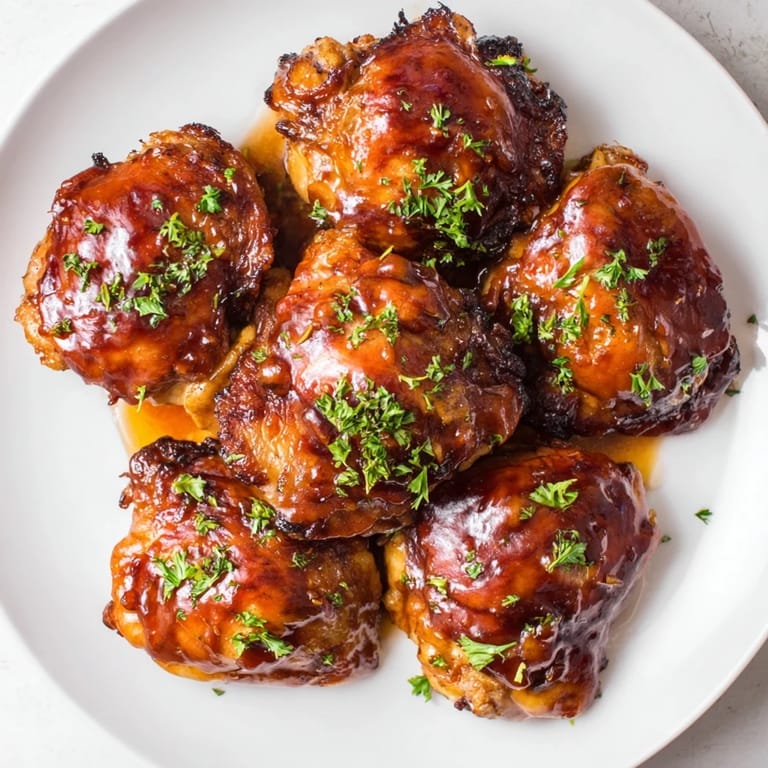
Save This chicken has become one of those recipes I make when I want to feel like a good cook without actually fussing. It's the kind of dish that reminds you that the best meals often come from listening to what you have, not following what someone else has written.
Your Questions Answered
- → What cut of chicken works best for this dish?
Bone-in, skin-on chicken thighs are ideal as they stay juicy and develop a crispy skin under the glaze.
- → Can I substitute the apricot jam with another type?
Yes, peach or plum jam can be used as alternatives without compromising flavor.
- → How do I achieve the smoky flavor in the glaze?
The smoked paprika in the glaze adds a subtle smoky note complementing the coffee’s richness.
- → Is it necessary to cool the brewed coffee before mixing the glaze?
Yes, cooled coffee prevents altering the texture of the glaze and helps blend flavors smoothly.
- → What side dishes pair well with this glazed chicken?
Roasted potatoes or steamed green beans complement the sweet and smoky flavors nicely.