 Save
Save The first time I smelled these kebabs grilling at a neighbor's house, I knew I had to figure out how to make them. There's something about the way ground meat hits hot coals that transforms it into something almost magical—earthy spices hitting the char at just the right moment. When he finally shared the technique, I realized it wasn't complicated at all, just honest seasoning and a bit of patience. Now they're one of those dishes I make when I want dinner to smell like more than dinner. It's the kind of cooking that fills a kitchen with warmth before anyone's even eaten.
I made these for my sister's birthday dinner last year, and I watched her take that first bite with her eyes closed. She said it tasted like the food from her favorite restaurant, but better because it was homemade. That's when I understood why these kebabs matter—they're not fancy, but they're honest, and somehow that honesty is what people remember.
Ingredients
- Ground beef or lamb (500 g, 80% lean): The meat is your foundation—a mix of beef and lamb gives you richness, but either works beautifully.
- Medium onion, finely grated: Grating releases moisture and flavor, making the mixture bind better than if you chopped it.
- Garlic, minced (2 cloves): Fresh is essential; it brings a sharpness that balances the warm spices.
- Fresh parsley (2 tbsp): It adds brightness at the end and keeps the kebabs from feeling heavy.
- Ground cumin (1 tsp): This is the soul of the spice blend—warm, slightly earthy, unmistakably Iraqi.
- Ground coriander (1 tsp): It softens the cumin with a subtle citrus note that you'll taste but won't quite name.
- Ground paprika (1/2 tsp): A touch of color and gentle warmth without too much heat.
- Ground allspice (1/2 tsp): This ties everything together—it's why the flavor feels complete.
- Ground cinnamon (1/4 tsp): Just enough to add depth; too much and it becomes obvious, so measure carefully.
- Chili flakes (1/4 tsp, optional): For when you want a little kick at the end of each bite.
- Salt and black pepper: Don't skip seasoning properly—this is where you ensure every kebab tastes like it's meant to.
Tired of Takeout? 🥡
Get 10 meals you can make faster than delivery arrives. Seriously.
One email. No spam. Unsubscribe anytime.
Instructions
- Mix your base:
- Combine the meat, grated onion, garlic, and parsley in a large bowl with all the spices. Use your hands and mix thoroughly until everything is sticky and evenly colored—this is when you can feel whether the seasoning is right.
- Let it rest:
- Cover and refrigerate for 30 minutes; this gives the flavors time to get to know each other and makes the mixture firmer so it holds onto the skewer.
- Get your grill ready:
- Heat it to medium-high and soak wooden skewers in water if you're using them. Metal skewers conduct heat, so they cook the meat slightly faster from the inside out.
- Shape with damp hands:
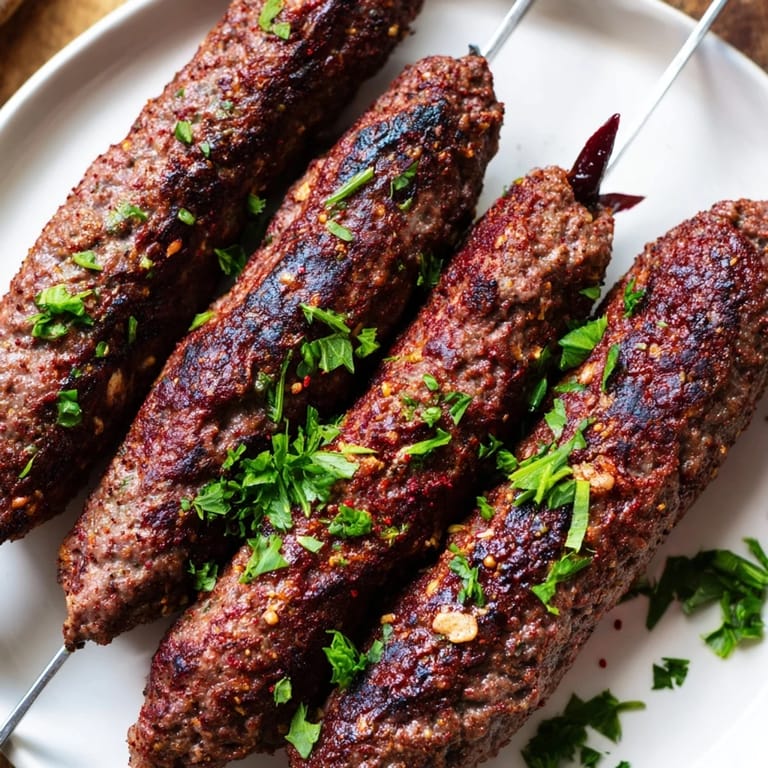
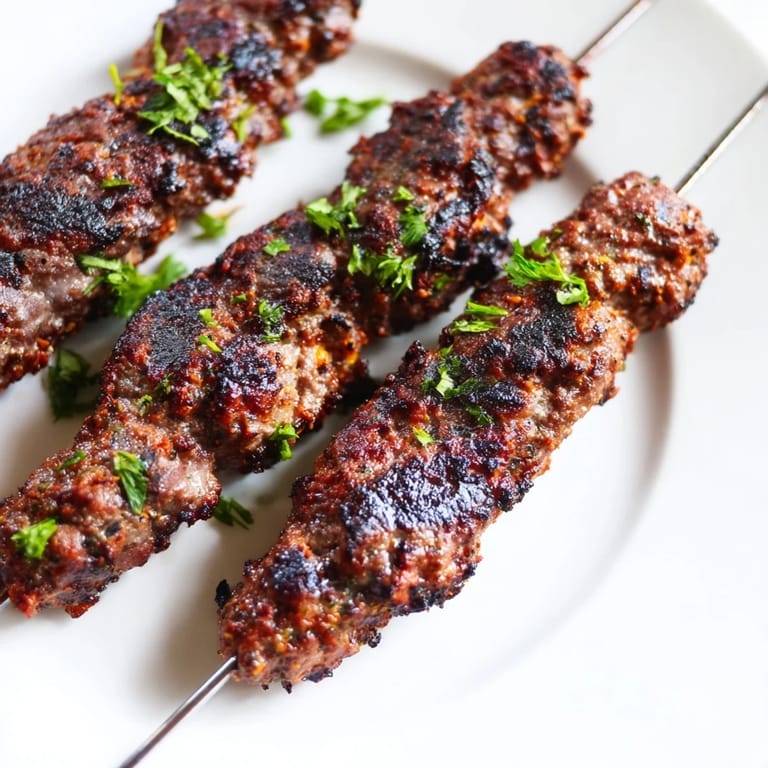
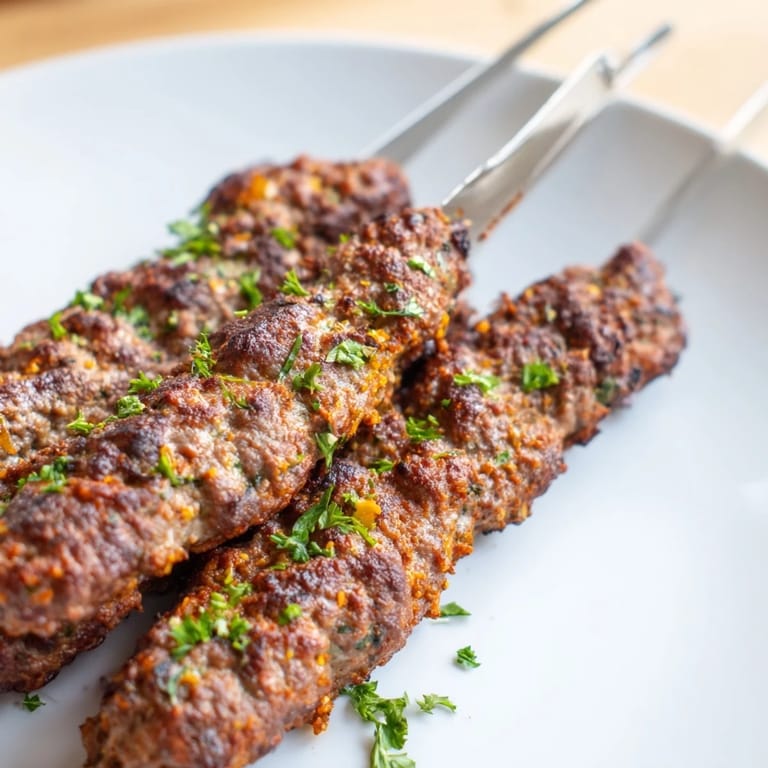
- Divide the mixture into 8 portions and gently press each one onto a skewer, forming a long sausage shape about 12–15 cm. Damp hands prevent sticking and let you work quickly.
- Grill with patience:
- Place the kebabs on the grill and turn every few minutes, listening for that sizzle and watching for char. Twelve to 15 minutes total gets you a brown crust and cooked-through meat.
- Finish and serve:
- Serve hot on flatbread with tomatoes, onions, fresh parsley, and a squeeze of lemon.
 Save
Save The first time a guest asked if I'd made these at a restaurant, I realized that homemade kebabs have this quality that's hard to fake. It's not about perfection—it's about caring enough to get the spices right and patient enough to listen to the grill. That conversation reminded me that cooking for people is its own kind of generosity.
The Spice Balance
What makes these kebabs distinctly Iraqi isn't one spice dominating—it's the conversation between cumin's warmth, coriander's subtle brightness, and allspice tying them together. The cinnamon is the quiet player, just enough to add depth without announcing itself. I've made these same kebabs with slightly different spice ratios, and the dish changes completely; once you understand how these spices interact, you can adjust them to your taste. Some people add a pinch of sumac for brightness or pomegranate molasses for a tangy edge, and both transform the dish in beautiful ways.
Grilling Like You Mean It
There's a moment when you first lay kebabs on a hot grill where you might think they're sticking or falling apart, but they're actually just getting a grip on the grates. Let that first sear happen without moving them, then rotate and keep going. The char is flavor—don't shy away from it, but don't let it become ash either. Medium-high heat is the sweet spot because it gives you enough time to turn them without drying out the inside.
Making Them Yours
Iraqi kebab tikka is a forgiving dish because the framework is solid, but the details are where you make it personal. Some families add pomegranate molasses or a touch of sumac; others keep it simple and let the meat and basic spices shine. I've made them on a cast-iron griddle when I didn't have a grill, and they were just as good, with a different kind of crust. The joy is in knowing that once you understand the bones of the recipe, you can season it with your own kitchen wisdom.
- Try adding pomegranate molasses or sumac for a tangy depth that hints at the Levantine.
- If you don't have all the spices, cumin and coriander are the non-negotiables; the rest can be adjusted.
- Leftovers can be crumbled and reheated on flatbread the next day, still delicious.
 Save
Save These kebabs are proof that food doesn't need to be complicated to be memorable. Make them, watch people smile, and know that you've given them something warm and honest.
Your Questions Answered
- → What type of meat works best for these kebabs?
Ground beef or lamb, or a mix of both with about 80% lean, provides the ideal balance of flavor and juiciness.
- → How long should the meat mixture chill before shaping?
Chilling the mixture for at least 30 minutes helps the spices meld and makes it easier to shape around the skewers.
- → Can these kebabs be cooked without a grill?
Yes, they can be broiled or cooked on a griddle pan if a grill isn’t available, still delivering great smoky notes.
- → What spices are essential for authentic flavor?
Ground cumin, coriander, paprika, allspice, and a touch of cinnamon combine to create the characteristic Iraqi taste.
- → How should the kebabs be served?
Serve hot on flatbreads with sliced tomatoes, onions, fresh parsley, and lemon wedges to complement the smoky meat.
- → Are there any suggestions to enhance the flavor?
Adding a pinch of sumac or a splash of pomegranate molasses to the meat mixture can add extra depth and tang.