 Save
Save My aunt taught me to make fesenjan on a gray winter afternoon, the kind where everything outside looks muted but your kitchen smells impossibly alive. She moved through the steps with such quiet confidence, letting the pomegranate molasses catch the light as she poured it in. I watched her taste the sauce three times before she was satisfied, adjusting the balance between sweet and tart like she was tuning an instrument. That day, I realized this wasn't just dinner—it was the kind of dish that holds a family's history in every spoonful.
I made this for my partner on our anniversary, and halfway through cooking, I realized I'd forgotten to buy pomegranate molasses. The panic lasted exactly three seconds before I grabbed what was in the pantry and made it work anyway. Something about that small improvisation made the meal feel more real, more mine. When we sat down to eat, we couldn't stop talking about how the sauce seemed to deepen with each bite.
Ingredients
- Boneless chicken thighs or duck (700g / 1.5 lbs), cut into large pieces: Thighs stay tender through the long simmer, and the fat renders into the sauce beautifully—they're worth seeking out if you can.
- Salt and black pepper (1/2 tsp each): Just enough to wake up the meat before it meets the sauce.
- Vegetable oil (2 tbsp): Use something neutral so the walnut and pomegranate flavors can take center stage.
- Large onion, finely chopped (1): The foundation of everything—spend the time to chop it fine so it melts into the base.
- Ground walnuts (250g / 2 cups): This is the soul of fesenjan; grind them yourself if you have a food processor, the texture matters.
- Pomegranate molasses (500 ml / 2 cups): The tangy backbone that makes this dish sing—find it in Middle Eastern markets or online, it's worth the hunt.
- Water (500 ml / 2 cups): Gives the sauce room to breathe and prevents it from becoming too concentrated.
- Sugar (2 tbsp): A gentle sweetness to balance the sourness; taste as you go because pomegranate molasses brands vary.
- Ground cinnamon, turmeric, and cardamom (1/2 tsp, 1/4 tsp, 1/4 tsp): These three spices create the warm, almost floral background that makes fesenjan unmistakably Persian.
- Pomegranate seeds and fresh parsley (optional): The final touch that brings brightness and a hint of tartness to cut through the richness.
Tired of Takeout? 🥡
Get 10 meals you can make faster than delivery arrives. Seriously.
One email. No spam. Unsubscribe anytime.
Instructions
- Season your meat:
- Pat the chicken or duck pieces dry and sprinkle them generously with salt and pepper, letting the seasonings cling to every surface.
- Build your golden base:
- Heat the oil over medium heat and add your chopped onions, stirring occasionally until they turn a deep golden brown—this takes about 8 to 10 minutes and is worth every moment because it's building flavor. The kitchen will smell incredible, and you'll know you're doing it right when the onions are soft and almost caramelized.
- Brown the meat:
- Push the onions to the side and let the meat hit the hot pot, resisting the urge to stir it immediately so it can develop a golden crust. After 5 to 7 minutes of browning on all sides, the meat should look like it's been kissed by the heat.
- Toast the walnuts:
- Add your ground walnuts and stir constantly for 2 to 3 minutes, watching as they darken slightly and release their oils into the pot. This step prevents clumping and brings out a subtle nuttiness that deepens the whole dish.
- Pour in the soul of the sauce:
- Add the pomegranate molasses, water, sugar, and your spices—cinnamon, turmeric, and cardamom if you're using it. Stir everything together, making sure the walnut paste breaks up and incorporates evenly.
- Let it simmer gently:
- Bring the sauce to a gentle boil, then lower the heat to a soft bubble and cover the pot, letting it cook for a full hour while you check in occasionally with a stir. The meat will become tender and the flavors will start finding each other.
- Finish strong:
- Uncover the pot and let it simmer for another 30 minutes, stirring more frequently now so the sauce can thicken and the oil from the walnuts rises to the surface in a glossy sheen. Taste it here and adjust the sweetness or tang until it feels balanced on your tongue.
- Bring it to the table:
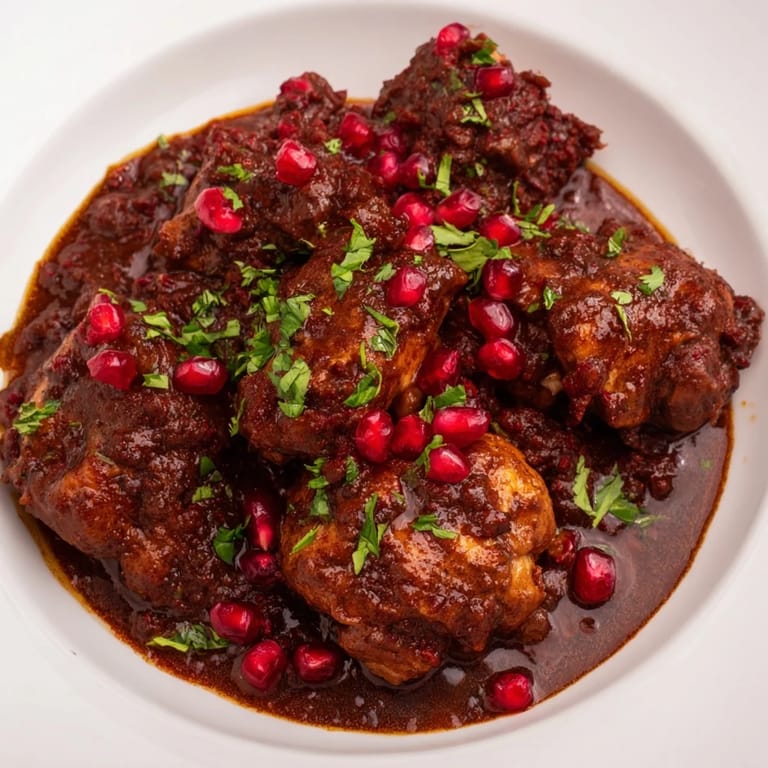
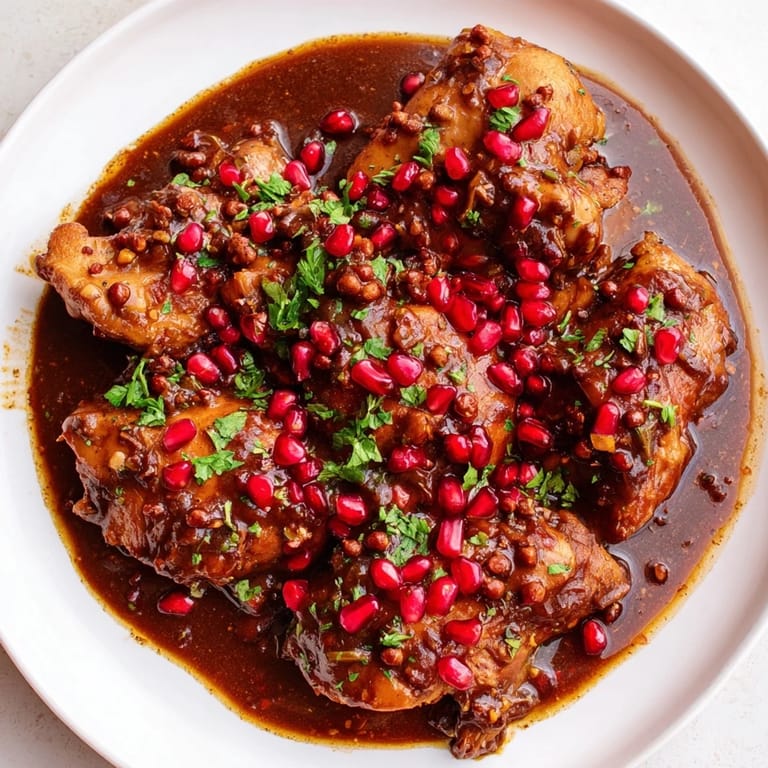
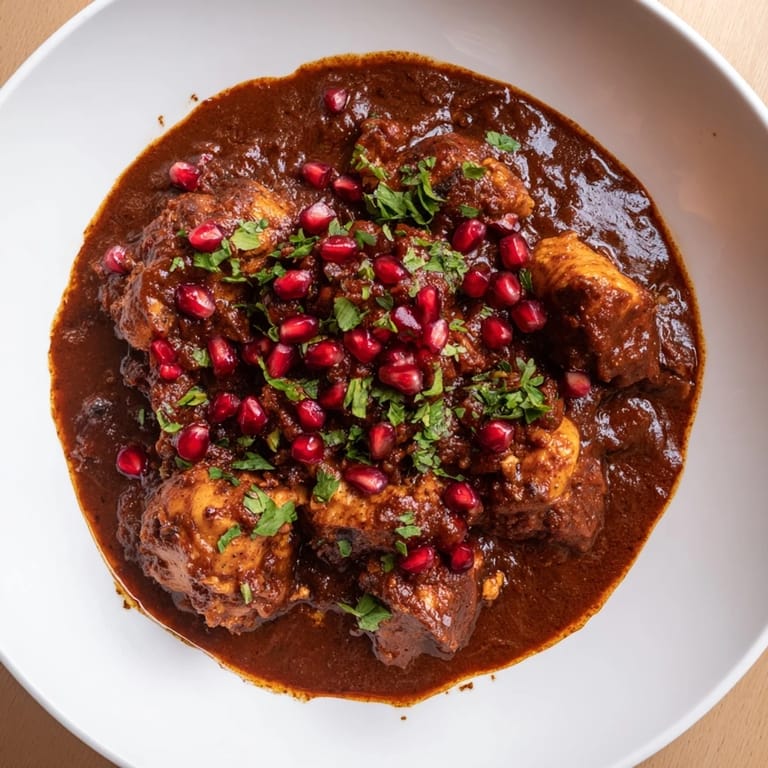
- Serve the fesenjan hot alongside steamed basmati rice, topped with pomegranate seeds and parsley if you have them, and watch how the sauce coats every grain.
 Save
Save There was a moment, maybe three years into making this, when my daughter asked why it smelled like Christmas even though it was June. I realized then that fesenjan isn't really about the season—it's about creating a feeling, that sense of something special and intentional happening in your home. She now asks for it on her birthday every single year.
The Walnut Question
I learned the hard way that pre-ground walnuts from the grocery store lose their subtlety sitting on a shelf. If you have access to a food processor or nut grinder, grind whole walnuts yourself right before cooking—the difference is dramatic and immediate. The walnuts won't feel gritty or dusty; instead, they'll create a silky sauce that coats your mouth with warmth. Some cooks soak their walnuts in hot water first to make them easier to grind, which is a kindness to both your equipment and the final texture.
The Sweet and Sour Balance
This is where fesenjan becomes personal rather than prescribed. Some families prefer it more tart, letting the pomegranate molasses dominate, while others lean toward sweetness with extra sugar. The spices—especially the cinnamon—play a crucial role in this balance, rounding out edges and creating depth. I've learned to taste constantly during that final 30 minutes of simmering, adjusting as the sauce thickens and concentrates, because what tastes right at the beginning might be too intense by the end.
Beyond Chicken
While duck is traditional and chicken is practical, this sauce welcomes creativity without complaint. Mushrooms or eggplant transform it into something vegetarian that feels just as luxurious and complete. I've made it with beef chuck for winter dinners and with fish for lighter spring meals—each variation teaches you something new about how the sauce adapts. The magic here isn't locked into one protein; it's in the balance of walnuts, pomegranate, and spice that makes anything taste like celebration.
- If you go vegetarian, add extra depth with a splash of balsamic vinegar or a pinch of smoked paprika.
- Duck needs the full 90 minutes of cooking; chicken can sometimes finish in a bit less, so check for tenderness rather than watching the clock.
- Whatever you choose, cut it into generous pieces so there's something substantial to find with every spoonful of sauce.
 Save
Save Fesenjan teaches patience in a kitchen that often values speed. Every time I make it, I'm reminded that some dishes demand your attention and presence, and they reward you with something worth the effort.
Your Questions Answered
- → What type of meat works best for this dish?
Boneless chicken thighs or duck are preferred for their tenderness and flavor. Duck is traditional, but chicken is commonly used.
- → Can this dish be made vegetarian?
Yes, substitute mushrooms or eggplant to replicate the texture while maintaining rich flavors.
- → How do I adjust the sweetness and tanginess?
Modify the amount of sugar and pomegranate molasses according to your taste preferences.
- → What spices complement the sauce?
Cinnamon, turmeric, and cardamom add warmth and complexity without overpowering the walnut and pomegranate base.
- → What side dish pairs well with this stew?
Steamed basmati rice, especially Persian saffron rice (chelow), is an ideal accompaniment to soak up the rich sauce.