 Save
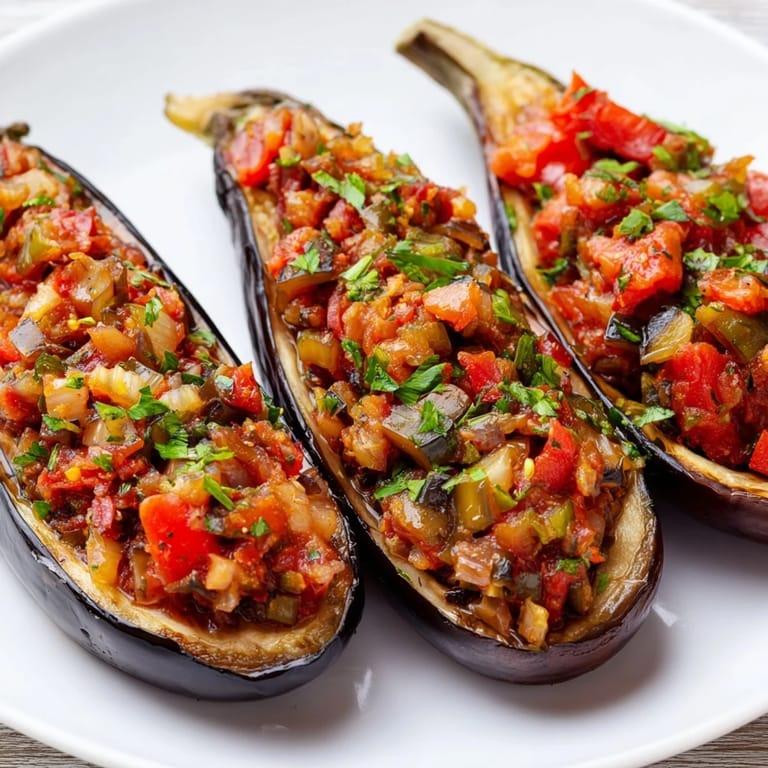
Save The first time I bit into imam bayildi at a tiny restaurant in Istanbul, I understood why the dish's name translates to 'the imam fainted'—it's that good. The eggplant was silky, almost melting on my tongue, cradling this warm, fragrant filling of tomatoes and onions that tasted like they'd been simmering in someone's kitchen for hours. Years later, I finally learned to make it myself, and discovered that the magic isn't in complexity but in patience and good olive oil. Now whenever I cook this, I'm transported back to that moment of pure discovery, except this time I'm sharing it with everyone lucky enough to sit at my table.
I made this for a dinner party during an unseasonably warm September, and my neighbor kept sneaking back to the kitchen asking for just one more bite while I was still plating. The kitchen smelled like caramelized onions and olive oil, and somehow that aroma did more for the evening than any dessert could have. That's when I realized imam bayildi isn't just food—it's an invitation to slow down and savor something made with actual care.
Ingredients
- Eggplants (4 medium, about 250 g each): Look for ones that are firm and glossy, not wrinkled or soft—they'll hold their shape better and have less bitterness to draw out.
- Onions (3 medium, thinly sliced): The long, slow cooking transforms them into something sweet and jammy, so don't skip the 8-minute softening step.
- Tomatoes (4 ripe, peeled and diced): Fresh, ripe tomatoes make all the difference; if they're bland, the whole dish suffers, so taste as you cook.
- Garlic (4 cloves, minced): Add it after the onions so it doesn't burn and turn bitter—a lesson I learned the hard way.
- Bell peppers (2 green, seeded and finely chopped): They add sweetness and body to the filling without overwhelming the delicate tomato flavor.
- Flat-leaf parsley (1 bunch, chopped): Save it for the very end so it stays bright and fresh, not faded and cooked to nothing.
- Extra virgin olive oil (120 ml): Use good oil here—it's not just cooking fat, it's part of the flavor profile, and cheap oil will leave a greasy aftertaste.
- Water (120 ml): This creates steam for gentle cooking and keeps the eggplants from drying out in the oven.
- Lemon juice (½ lemon): A squeeze at the end brightens everything and cuts through the richness beautifully.
- Sugar (1 tsp): Just enough to balance acidity without making the dish taste sweet—trust the amount.
- Sea salt (1½ tsp, plus more to taste): The initial salting of the eggplants is crucial for removing moisture and bitterness before cooking.
- Black pepper (½ tsp): Fresh-ground makes a noticeable difference in the final flavor.
- Paprika (1 tsp, optional): A pinch adds warmth and color, but it's genuinely optional if you prefer to let the tomatoes shine.
Tired of Takeout? 🥡
Get 10 meals you can make faster than delivery arrives. Seriously.
One email. No spam. Unsubscribe anytime.
Instructions
- Prepare and salt the eggplants:
- Wash each eggplant, then peel lengthwise stripes alternately to create a striped pattern—this helps them cook evenly and looks beautiful on the plate. Cut a slit lengthwise down each one, being careful to leave the ends intact so they stay together. Sprinkle generously with salt and let them sit for 20 minutes; this draws out the moisture and bitterness, making the final dish silky instead of spongy.
- Build the filling:
- Heat half the olive oil in a large skillet over medium heat and add the sliced onions, stirring occasionally until they're soft and just beginning to turn golden, about 8 minutes. Add the minced garlic and chopped peppers, cooking for 3 more minutes until fragrant, then stir in the diced tomatoes along with sugar, salt, pepper, and paprika. Let this simmer gently for 10 minutes, stirring now and then, until the mixture thickens and the flavors meld; you'll know it's ready when it looks more like a thick sauce than a watery stew.
- Fry the eggplants:
- Rinse the salted eggplants under cold water and pat them completely dry—any moisture left on them will cause splattering. Heat the remaining olive oil in a clean skillet over medium heat and gently fry each eggplant, turning carefully so all sides get lightly browned and the flesh begins to soften, about 8 minutes total. Work in batches if needed so you're not crowding the pan.
- Stuff and bake:
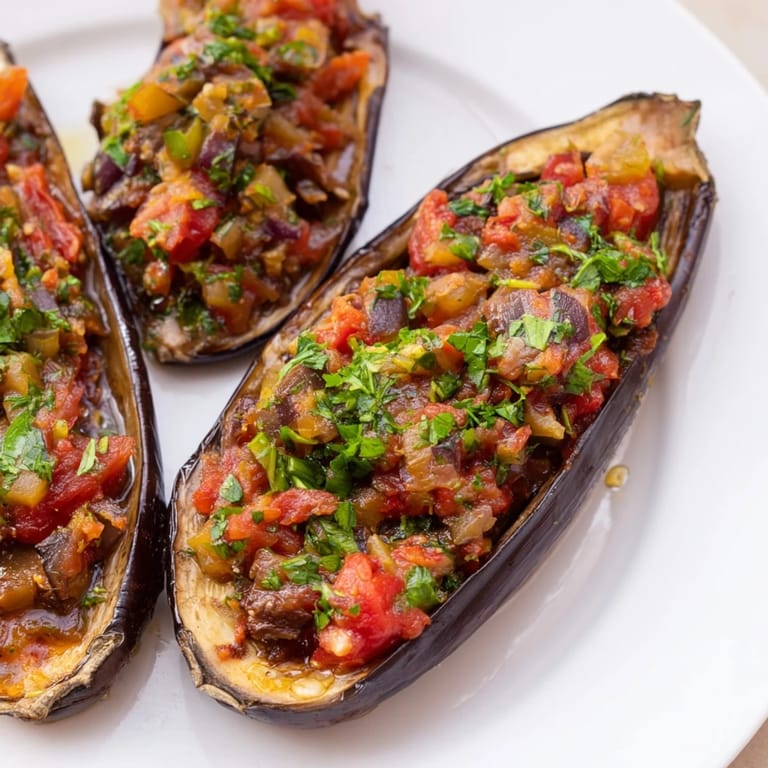
- Preheat your oven to 180°C (350°F) and arrange the fried eggplants in a baking dish. Carefully open the slit in each one and spoon the tomato-onion filling generously into the opening, packing it in but not forcing it. Finish the filling with a stir of fresh chopped parsley, then drizzle lemon juice over everything and pour water around (not over) the eggplants.
- Slow bake until tender:
- Cover the baking dish tightly with foil and slide it into the oven for 35 minutes, then remove the foil and bake for another 10–15 minutes until the eggplants are completely tender when pierced with a fork and the filling is bubbling gently at the edges. The uncovered time lets the tops lightly caramelize and the flavors concentrate.
- Cool and serve:
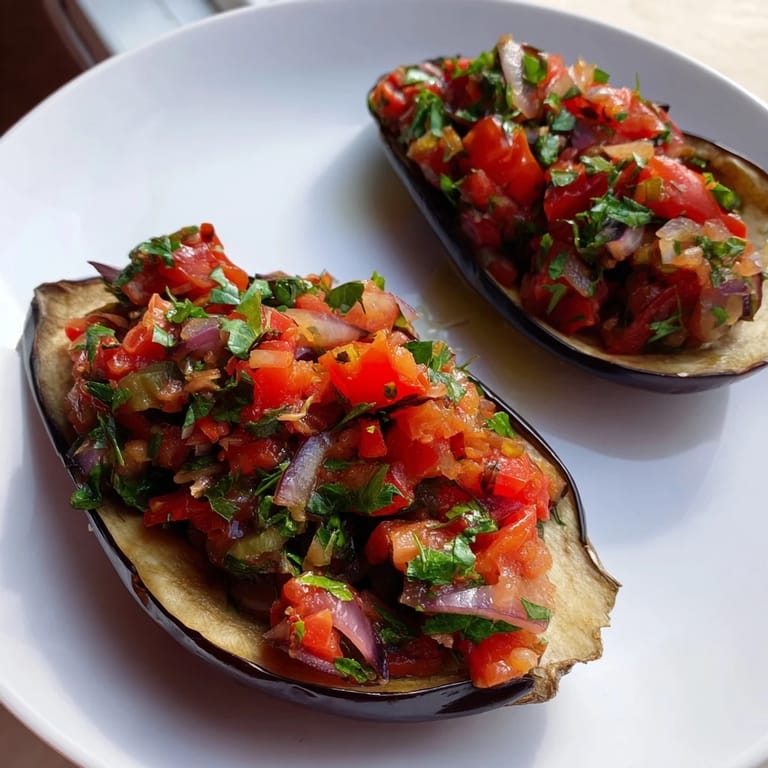
- Let the dish cool to room temperature before serving—this is traditional and actually lets the flavors settle and become more pronounced. You can eat it warm, but room temperature is when imam bayildi truly shines.
 Save
Save I remember my mother-in-law tasting this for the first time at a family gathering and saying nothing at all—she just closed her eyes and ate another bite. Later she admitted she'd been skeptical about a vegetarian main dish, but something about the way the flavors worked together had shifted her thinking entirely. That quiet moment taught me more about cooking than any recipe ever could.
Why Room Temperature Matters
Serving imam bayildi at room temperature isn't just tradition; it's actually when the dish reaches its full potential. As it cools, the olive oil infuses deeper into the eggplant, the filling settles into every crevice, and the flavors become more pronounced rather than muddled by heat. Warm food tends to flatten our perception of flavor, but room temperature lets each element shine individually while still tasting like a unified whole.
Making It Ahead
This is one of those rare dishes that actually improves when made a day or two ahead—the eggplant softens even more and the filling's flavors deepen and blend together. I often make it the day before a dinner party just to take the pressure off my day-of cooking. Simply cover it with foil, refrigerate, and let it come to room temperature for 30 minutes before serving.
Serving and Variations
Serve imam bayildi with crusty bread to soak up the olive oil, or alongside steamed rice if you want something more substantial. A dollop of yogurt on the side brings a cooling contrast that balances the richness beautifully. Some nights I add a pinch of cinnamon or allspice to the filling for warmth, or a finely chopped green chili if I'm craving heat—both feel authentic and both change the dish in interesting ways.
- A scattered handful of pomegranate seeds on top adds brightness and a textural surprise.
- Don't be afraid to make this in advance; flavors only improve as it rests overnight in the refrigerator.
- Leftovers are honestly better than the original, so make extra without guilt.
 Save
Save Every time I make imam bayildi, I'm reminded that sometimes the most memorable meals come from the simplest ingredients treated with respect and time. It's a dish that rewards patience and good instincts, and somehow tastes like home no matter where you're sitting.
Your Questions Answered
- → How do I remove bitterness from the eggplants?
Slice the eggplants and sprinkle with salt, letting them sit for about 20 minutes to draw out bitterness, then rinse and pat dry before cooking.
- → Can I prepare the dish ahead of time?
Yes, Imam Bayildi can be made a day in advance; flavors improve as it rests and melds together.
- → What oils are best for cooking this dish?
Extra virgin olive oil is preferred for its rich flavor and is used both for frying and baking the eggplants.
- → Is this dish suitable for vegan diets?
Yes, it contains only vegetables and plant-based ingredients making it vegan and gluten-free friendly.
- → Can I add a spicy element to the filling?
For a spicy kick, incorporate finely chopped green chili into the tomato and onion mixture before stuffing.
- → What can I serve alongside this dish?
It pairs well with crusty bread, rice, or a side of yogurt to complement the flavors.