 Save
Save I'd been avoiding celeriac for years because it looked like something dug up from a swamp. One rainy afternoon, though, my usual root vegetables were sold out, and there it sat, knobbly and patient. I grabbed one out of stubbornness more than curiosity. Roasting those cubes released a sweet, earthy smell that filled the kitchen with warmth I didn't expect. That first bite, coated in creamy curry and ginger, turned my skepticism into something close to devotion.
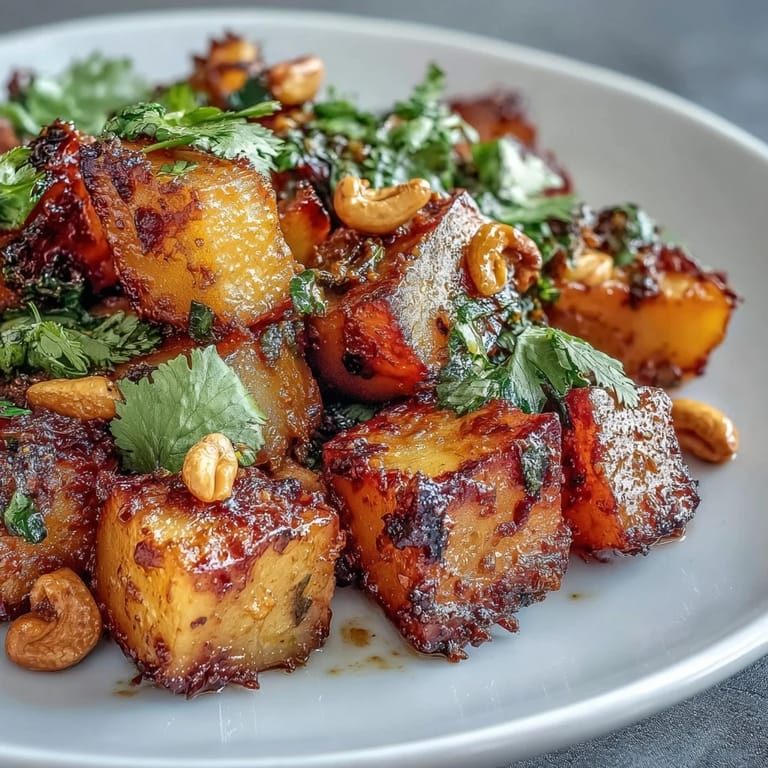
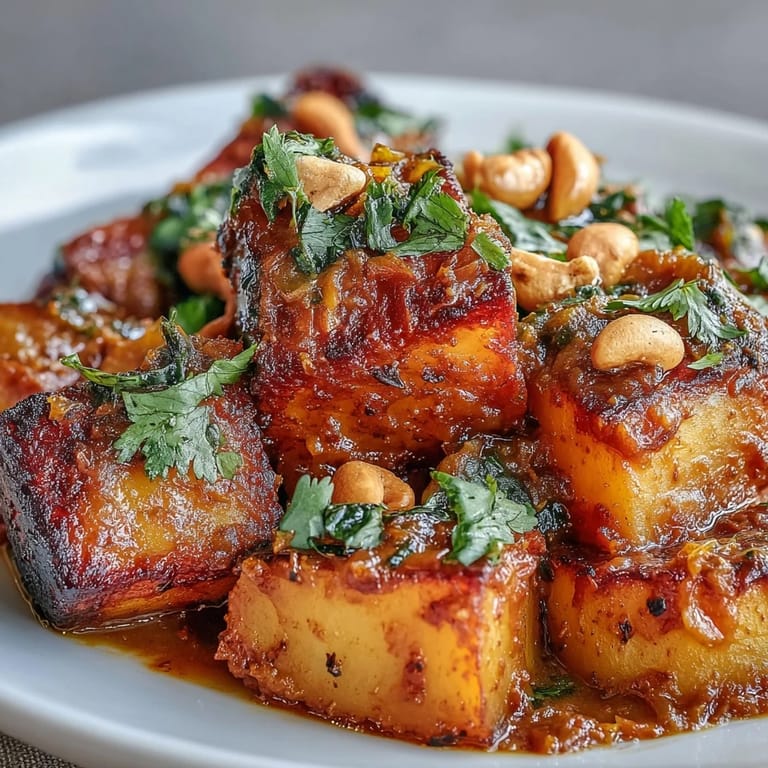
I made this for a small dinner party where half the guests were vegetarian and the other half skeptical of anything without meat. The celeriac came out golden and glossy, the coconut milk clinging to every edge. By the time I brought the pan to the table, the smell of toasted cumin and ginger had already done most of the convincing. Even my friend who claimed to hate curry went back for seconds, scraping the pan with her spoon and pretending she wasn't.
Ingredients
- 1 large celeriac (about 800 g), peeled and cut into 2 cm cubes: This gnarly root becomes sweet and nutty when roasted, with a texture somewhere between potato and parsnip that holds up beautifully in sauce.
- 1 large onion, finely chopped: The foundation of the curry base, softened slowly to build sweetness that balances the spices.
- 2 cloves garlic, minced: Adds sharpness and depth, fragrant the moment it hits the pan.
- 1 thumb sized piece fresh ginger, grated: Brings brightness and a gentle heat that wakes up every other flavor.
- 2 tbsp curry powder (medium or hot, to taste): The heart of the dish, choose a blend you love because it will shine through every bite.
- 1 tsp ground cumin: Toasting this in the pan releases an earthy warmth that anchors the spice mix.
- 1/2 tsp ground turmeric: Gives the sauce a golden glow and a subtle bitterness that rounds out the sweetness.
- 1/4 tsp chili flakes (optional): A whisper of heat that builds slowly, add more if you like things lively.
- 3 tbsp olive oil: For roasting the celeriac and sauteing the aromatics, it carries flavor and encourages caramelization.
- 400 ml coconut milk (1 can): Creates a creamy, luscious sauce that clings to the celeriac without feeling heavy.
- 200 ml vegetable stock: Thins the coconut milk just enough and adds a savory backbone.
- Salt and freshly ground black pepper, to taste: Essential for bringing all the flavors into focus, taste as you go.
- Fresh cilantro leaves: A bright, herbal finish that cuts through the richness.
- Toasted cashews or peanuts: Add crunch and a bit of luxury to each serving.
- Squeeze of fresh lime: A little acidity at the end lifts everything and makes the spices sing.
Tired of Takeout? 🥡
Get 10 meals you can make faster than delivery arrives. Seriously.
One email. No spam. Unsubscribe anytime.
Instructions
- Get the oven ready:
- Preheat your oven to 200°C (400°F) so it's blazing hot when the celeriac goes in. This high heat is what gives you those crispy, caramelized edges.
- Roast the celeriac:
- Toss the cubes with 2 tbsp olive oil, a generous pinch of salt, and black pepper on a baking sheet, spreading them out so they're not crowded. Roast for 25 to 30 minutes, flipping them halfway through, until they're golden and tender enough to pierce easily with a fork.
- Start the curry base:
- While the celeriac roasts, heat 1 tbsp olive oil in a large pan over medium heat and add the chopped onion. Saute for about 5 minutes, stirring occasionally, until it softens and turns translucent.
- Add the aromatics:
- Stir in the garlic and grated ginger, letting them cook for just a minute until the kitchen smells incredible. Don't let the garlic brown or it'll turn bitter.
- Toast the spices:
- Add the curry powder, cumin, turmeric, and chili flakes if using, stirring constantly for about a minute. This step blooms the spices and deepens their flavor before the liquid goes in.
- Build the sauce:
- Pour in the coconut milk and vegetable stock, stirring to combine everything smoothly. Bring the mixture to a gentle simmer, letting it bubble quietly while the flavors start to meld.
- Combine and simmer:
- Once the celeriac is roasted, add it to the pan with the sauce. Let everything simmer together uncovered for 8 to 10 minutes, stirring occasionally, until the sauce thickens and clings to the celeriac.
- Finish and serve:
- Taste the curry and adjust the seasoning with more salt or pepper as needed. Serve it warm, topped with fresh cilantro, toasted nuts, and a squeeze of lime for brightness.
 Save
Save There's a moment when you stir the roasted celeriac into the simmering sauce and watch it turn glossy and golden that feels like a small victory. The spices bloom, the coconut milk coats every edge, and suddenly this humble root vegetable looks like something you'd order at a restaurant. I've served this to picky eaters, spice lovers, and everyone in between, and it always disappears faster than I expect.
Serving Suggestions
This curry shines over a mound of steamed basmati rice, the grains soaking up every bit of that spiced coconut sauce. I've also piled it onto warm naan, folding the bread around the celeriac like a messy, delicious wrap. For a lighter option, serve it with quinoa or cauliflower rice, which lets the spices take center stage without weighing you down. A simple cucumber salad on the side adds coolness and crunch that balance the warmth beautifully.
Ingredient Swaps and Additions
If celeriac isn't available or you're just not ready to commit, parsnips or sweet potatoes work wonderfully and roast up just as nicely. For extra protein, stir in a can of drained chickpeas when you add the roasted celeriac, they absorb the sauce and make the dish more substantial. I've also thrown in handfuls of spinach at the end, wilting it into the curry for a pop of green and a bit more nutrition. If you like things creamier, add an extra splash of coconut milk, or if you prefer it thicker, let it reduce a little longer.
Storage and Reheating
This curry keeps well in the fridge for up to four days, and honestly, it tastes even better the next day after the flavors have had time to settle in together. Store it in an airtight container and reheat gently on the stovetop, adding a splash of water or stock if the sauce has thickened too much. You can also freeze it for up to two months, though the celeriac may soften slightly when thawed.
- Let the curry cool completely before transferring to containers to avoid condensation and sogginess.
- Reheat slowly over low heat, stirring occasionally, to keep the sauce from splitting.
- Garnish with fresh cilantro and lime only after reheating, not before storing.
 Save
Save This dish has a way of turning ordinary weeknights into something that feels intentional and nourishing. Whether you're cooking for yourself or a crowd, it's the kind of recipe that makes you look forward to leftovers.
Your Questions Answered
- → Can I substitute celeriac with other root vegetables?
Yes, parsnips, sweet potatoes, or even cauliflower work wonderfully. Adjust roasting time based on the vegetable's density—sweet potatoes may need 5 minutes less.
- → How can I make this dish spicier?
Use hot curry powder instead of medium, increase the chili flakes to 1/2 teaspoon, or add a fresh sliced green chili when sautéing the onions.
- → What can I serve with curried celeriac?
Steamed basmati rice, naan bread, quinoa, or flatbreads pair beautifully. Add a side of cucumber raita or mango chutney for contrast.
- → Can I make this ahead of time?
Absolutely. The dish keeps well in the refrigerator for up to 3 days. The flavors actually deepen overnight. Reheat gently on the stovetop, adding a splash of stock if needed.
- → How do I add more protein to this dish?
Stir in cooked chickpeas, white beans, or pan-fried tofu cubes when adding the roasted celeriac. You can also top with a fried egg for a hearty breakfast twist.
- → Is celeriac difficult to peel and prepare?
Use a sharp knife rather than a peeler for the thick, knobby skin. Cut off the top and bottom, then slice downward in sections. The cubes roast beautifully once prepared.