 Save
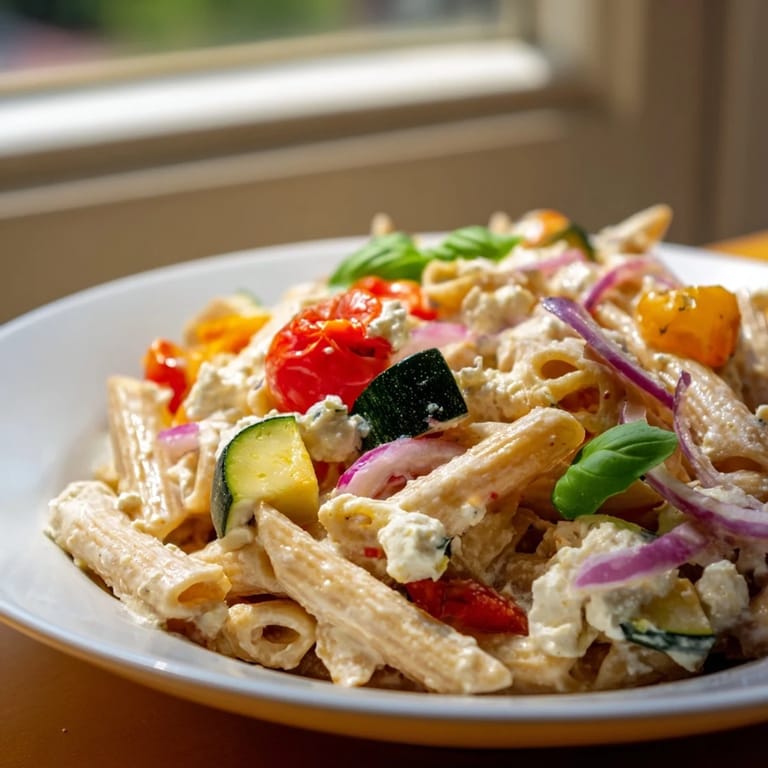
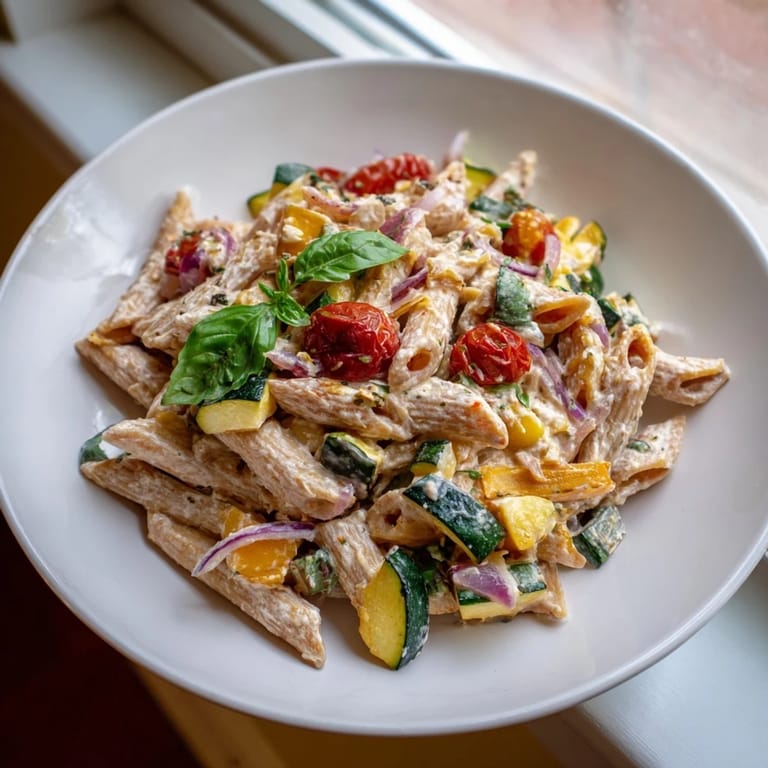
Save I discovered this dish purely by accident, scrolling through my phone at midnight when I should have been sleeping, and something about the way the golden feta melted into that tangle of roasted vegetables just made sense. The original viral version felt a bit heavy for what I usually crave on a weeknight, so I started playing around—swapping in whole-grain pasta, loading up on summer vegetables, cutting back the cheese just slightly. What emerged was something that felt lighter but somehow more satisfying, like comfort food that doesn't weigh you down. It became my go-to when I wanted to feel good about dinner without the fuss.
I made this for my friend Sarah on a random Tuesday when she was going through a phase of eating only things that looked beautiful on her plate, and watching her actually go back for seconds—which never happened—told me everything I needed to know. She said it tasted like summer even though it was raining outside, and that's when I realized this recipe had something special beyond just being easy.
Ingredients
- Reduced-fat feta cheese (200 g): The star of the show—when it roasts, it softens into this creamy, briny treasure that becomes your entire sauce, so don't skip it or swap it out.
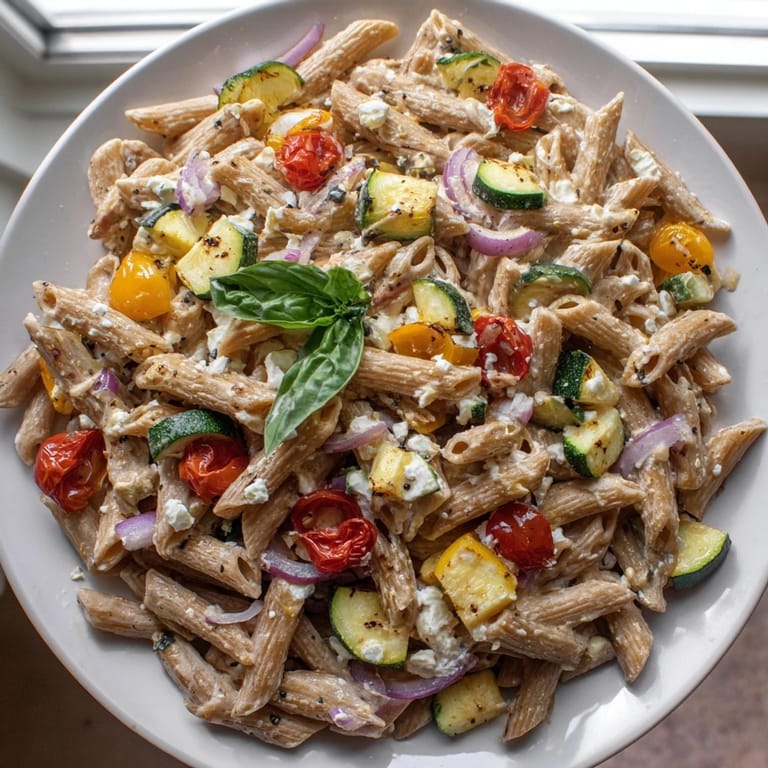
- Cherry tomatoes (400 g, halved): These burst and caramelize at the edges, turning into little pockets of concentrated sweetness that balance the salty feta beautifully.
- Zucchini and bell pepper (1 medium and 1 red, diced): They soften without turning mushy if you cut them into roughly the same size, which matters more than you'd think.
- Red onion (1 small, sliced): It mellows and sweetens as it roasts, losing that sharp bite that makes raw onions so polarizing.
- Garlic (2 cloves, minced): Added at the very end so it stays fresh and punchy, never harsh—a small move that makes a huge difference.
- Extra-virgin olive oil (2 tbsp): Not fancy for fancy's sake; good olive oil here actually tastes like something and carries the whole dish forward.
- Whole-grain pasta (300 g): The nuttier flavor holds up to the vegetables and feta instead of disappearing into the background like regular pasta might.
- Dried oregano and red pepper flakes: Oregano whispers Mediterranean flavor into everything; the pepper flakes are optional but they give it a little wake-up call.
- Fresh basil (to serve): The final garnish that makes this feel alive and bright rather than just finished.
Tired of Takeout? 🥡
Get 10 meals you can make faster than delivery arrives. Seriously.
One email. No spam. Unsubscribe anytime.
Instructions
- Set your oven and prep the vegetables:
- Get the oven to 200°C and while it's heating, chop everything into pieces roughly the same size—this tiny detail means everything cooks at the same pace. Toss your tomatoes, zucchini, pepper, and onion in a large baking dish with olive oil, oregano, salt, pepper, and those red pepper flakes if you're feeling it.
- Nestle the feta in like it owns the place:
- Arrange that beautiful block of feta right in the center of all the vegetables, give it a little drizzle of olive oil on top, and slide the whole thing into the oven. You'll know it's ready when the vegetables have caramelized at the edges and the feta is golden and soft enough to collapse at a touch, around 25–30 minutes.
- Cook your pasta while everything roasts:
- Get a large pot of salted water boiling and cook your whole-grain pasta according to the package timing, but here's the crucial part: reserve about half a cup of that starchy pasta water before you drain it. That liquid is liquid gold for bringing everything together.
- Bring it all together:
- Pull the baking dish out and immediately stir in your minced garlic—the heat from the vegetables will cook it gently and release all its flavor. Use a spoon to gently mash the feta and vegetables together until they form this soft, creamy mess that looks like it couldn't possibly work but absolutely does.
- Combine pasta with the sauce:
- Add your drained pasta to the baking dish and toss everything together, adding splashes of that reserved pasta water as you go until it feels creamy and the pasta is coated but not swimming. This is where the magic happens—the starch from the pasta water and the feta cream transform into something silkier than you'd expect.
- Finish and serve:
- Tear some fresh basil over the top, give it one final toss, and serve while it's still warm and the flavors are at their most vivid. Eat it straight from the baking dish if no one's looking.
 Save
Save There's a moment when you pull the baking dish from the oven and the whole kitchen smells like toasted feta and caramelized tomatoes, and you realize this isn't just dinner—it's the kind of meal that makes you feel like you actually have time to care about eating well. That's when this recipe stops being about convenience and becomes something you make because it genuinely nourishes you.
Why This Works as a Lighter Twist
The original viral feta pasta uses a lot of cream or oil, but roasting the vegetables releases their own moisture and sweetness, which means the feta doesn't have to do all the heavy lifting alone. By using whole-grain pasta and loading up the vegetables, you're building something that feels substantial and satisfying without tipping into heavy territory. The reduced-fat feta still has all the briny, complex flavor—it just doesn't come with the guilt hangover.
How to Make This Your Own
Once you understand how this works, you start seeing it as a template rather than a rigid recipe, which is when it becomes really fun. Spring brings asparagus and young garlic, summer is for eggplant and spinach, fall opens up possibilities with roasted cauliflower and leeks. I've added chickpeas for protein on nights when the pasta alone didn't feel like enough, and I've thrown in everything from sun-dried tomatoes to artichoke hearts depending on what was hanging around in the fridge.
Serving and Pairing Ideas
This dish is happy on its own, but it also appreciates a crisp white wine like Sauvignon Blanc cutting through all that richness, or even a lighter rosé if you're leaning into the Mediterranean vibe. A simple arugula salad with lemon dressing on the side adds freshness and contrast without overwhelming the main event. I've also learned that letting it cool for just a few minutes actually lets you taste the individual components more clearly instead of everything blending into one unified mass.
- A squeeze of fresh lemon juice right before serving brightens everything without needing extra salt.
- If you're making this ahead, store it covered in the fridge and reheat gently with a splash of water stirred in—it comes back to life surprisingly well.
- Double the recipe and you'll have leftovers that taste even better the next day as flavors meld together.
 Save
Save This recipe taught me that lighter doesn't have to mean less flavorful, and sometimes the best meals are the ones that don't make you feel heavy afterward. Make it for someone you want to feed well.
Your Questions Answered
- → What type of pasta works best for this dish?
Whole-grain penne or fusilli are perfect as they hold the creamy sauce well and add fiber to the meal.
- → Can I substitute the vegetables?
Absolutely, seasonal vegetables like spinach, eggplant, or asparagus can be swapped in to vary flavors and textures.
- → How long should the feta and vegetables bake?
Bake at 200°C (400°F) for 25–30 minutes until the feta softens and the vegetables become caramelized and tender.
- → Is there a way to add more protein?
Adding drained canned chickpeas before baking boosts protein while complementing the creamy feta and veggies.
- → How can this dish be made gluten-free?
Simply use certified gluten-free pasta instead of whole-grain options to keep it suitable for gluten sensitivities.