 Save
Save I stumbled onto the idea for this platter at a little wine bar in Barcelona, where the charcuterie board was arranged so artfully that our whole table paused before eating. That night, someone joked that the crackers and olives looked like a tiny cobblestone plaza, and the image stuck with me. When I got home, I tried recreating that magic on my own board, and it turned out to be one of those simple ideas that feels far more impressive than the effort it takes. Now whenever I need something that looks showstopping but won't trap me in the kitchen, this is my go-to.
I made this for my sister's book club, and watching everyone instinctively reach for it while still talking proved something I'd suspected: when food looks like edible art, people relax and linger. She later told me it was the one thing everyone actually finished, which felt like a small victory.
Ingredients
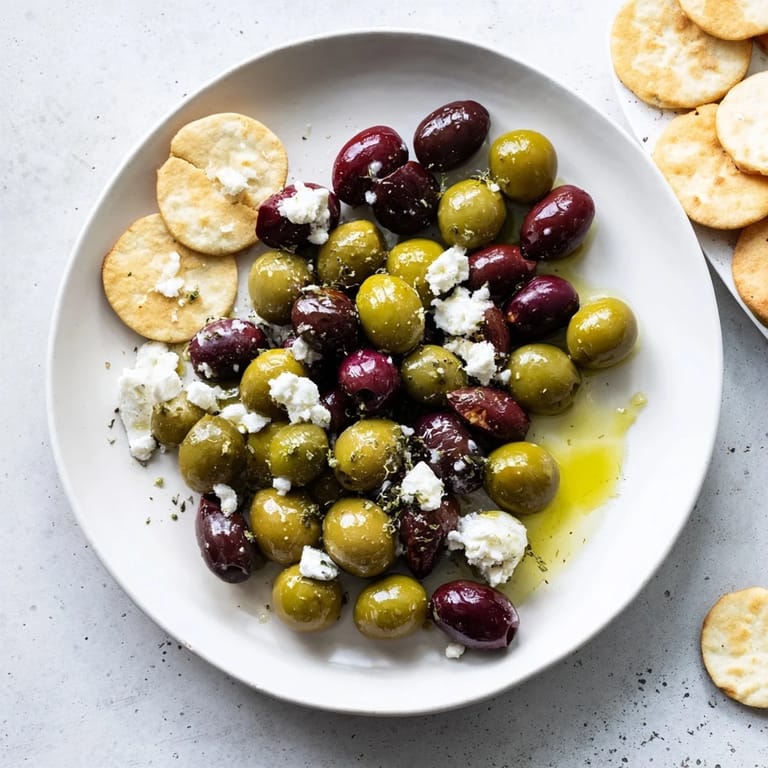
- Round crackers (36–40): The foundation of your cobblestone street—water crackers, multigrain, or rice crackers all work beautifully, and mixing two or three types adds realism to the pattern.
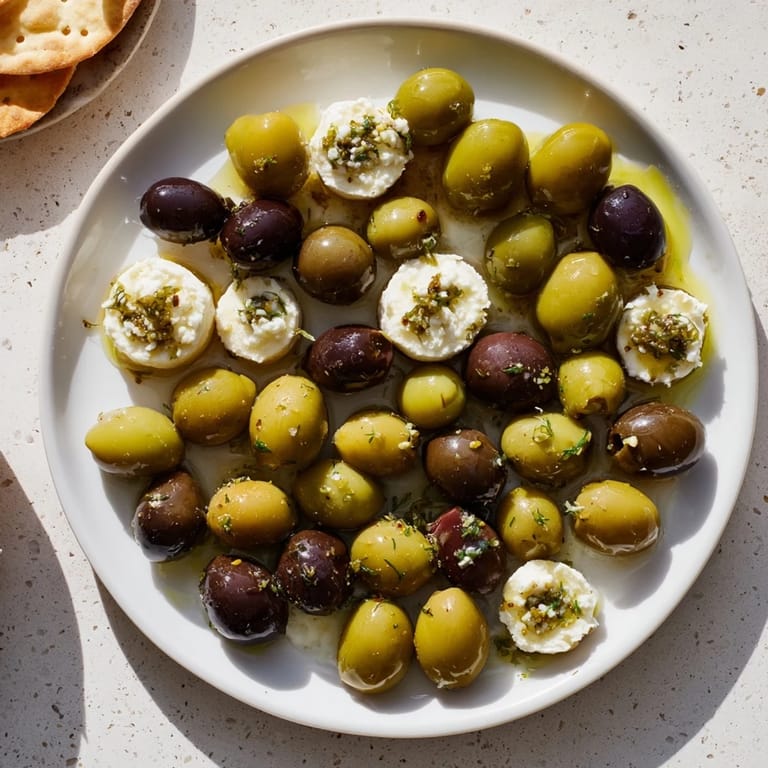
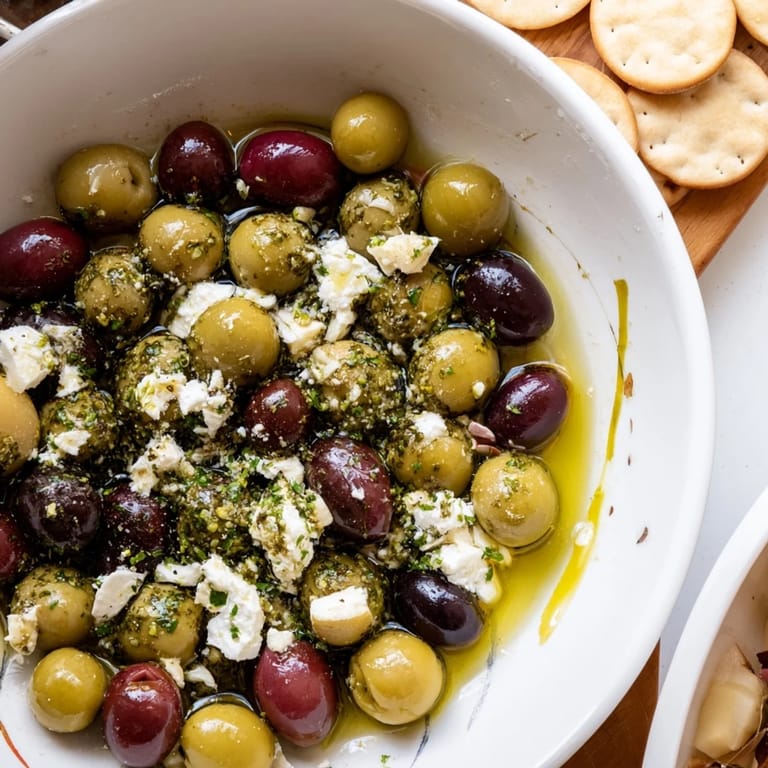
- Assorted olives (1 cup, pitted): Green Castelvetrano olives feel buttery, Kalamata brings earthiness, and black olives add visual contrast; the variety in color and size is what makes this platter feel intentional rather than thrown together.
- Fresh herbs, chopped (2 tbsp): Parsley, thyme, or rosemary scattered on top adds a whisper of garden freshness and captures light beautifully.
- Feta or goat cheese, crumbled (1/4 cup, optional): A salty, tangy counterpoint that makes people reach back for more.
- Extra virgin olive oil (1 tbsp): A light drizzle just before serving adds sheen and richness without overwhelming the delicate flavors.
Tired of Takeout? 🥡
Get 10 meals you can make faster than delivery arrives. Seriously.
One email. No spam. Unsubscribe anytime.
Instructions
- Choose your foundation:
- Pick a large, flat serving board or platter with enough room for your crackers to breathe slightly. A wooden board, slate, or even a large ceramic platter works; the surface itself becomes part of the visual story.
- Lay the cobblestones:
- Arrange your round crackers in a loose, overlapping pattern—think of how worn stones shift and settle over centuries. Let them touch and overlap slightly, which also keeps everything sturdy and prevents wobbling.
- Fill the mortar:
- Tuck assorted olives into the gaps between crackers, pressing them in gently so they nestle like moss between old stones. The olives act as both garnish and flavor anchor.
- Add texture and color:
- Scatter chopped herbs and cheese crumbles across the arrangement, focusing slightly more toward the center to create visual movement.
- Finish with oil:
- Drizzle a thin thread of olive oil over everything just before serving—it catches the light and adds a subtle richness that ties all the flavors together.
 Save
Save A friend once told me that the most memorable appetizers aren't the fanciest—they're the ones that make people feel like they're part of something. This platter has that quality; it invites interaction and conversation rather than standing aloof on a side table.
Choosing Your Crackers
The cracker is your canvas, and texture matters more than you'd think. Water crackers have an almost austere crispness that lets the olives shine, multigrain varieties add subtle nutty notes and visual interest, and rice crackers bring delicate sweetness. I've learned to buy them a day or two before serving and store them in an airtight container; this keeps them crisp and ready. The slight variation in size across different cracker types actually enhances the cobblestone illusion, so don't overthink uniformity.
The Olive Arrangement
Olive selection is where the platter starts to feel personal. The briny snap of a good Castelvetrano paired with the deep, almost wine-like note of a Kalamata creates a conversation in your mouth. I've started asking my guests what olives they gravitate toward, and their answers reveal surprising things—people are more passionate about olives than you'd expect. Pitting them in advance saves time and worry, and if you're buying pre-pitted varieties, look for ones that still feel firm and haven't been sitting in brine too long.
When and Why This Works
This platter thrives at moments where you need something substantial but not heavy—an evening wine gathering, a lazy afternoon with friends, or that tricky transition between casual hangout and actual dinner. It's also the rare appetizer that feels equally at home on a rustic kitchen counter or a formal dining table.
- Pair it with crisp white wines like Sauvignon Blanc or a rosé that won't compete with the salty, briny flavors.
- Make it ahead of time through all steps except the olive oil drizzle, which you add just before guests arrive.
- Double the recipe without hesitation if you're expecting more than six people; this dish encourages lingering rather than quick consumption.
 Save
Save There's something quietly wonderful about food that doesn't demand hours in the kitchen but still makes people feel celebrated. This platter is that kind of recipe.
Your Questions Answered
- → What types of crackers work best for this platter?
Round crackers like water crackers, multigrain, or rice crackers create an authentic cobblestone effect with varying textures and sizes.
- → Can I customize the olives for different flavors?
Yes, using a mix of green Castelvetrano, Kalamata, and black olives adds variety in taste and visual appeal.
- → Are there suggested garnishes for added flavor?
Fresh chopped herbs such as parsley, thyme, or rosemary, along with crumbled feta or goat cheese, bring aromatic and savory notes.
- → How can I make this platter allergy-friendly?
Use gluten-free crackers and omit cheese to accommodate gluten intolerance and dairy allergies or vegan preferences.
- → What wines pair well with this arrangement?
Light white wines like Sauvignon Blanc and crisp rosés complement the salty and fresh flavors beautifully.