 Save
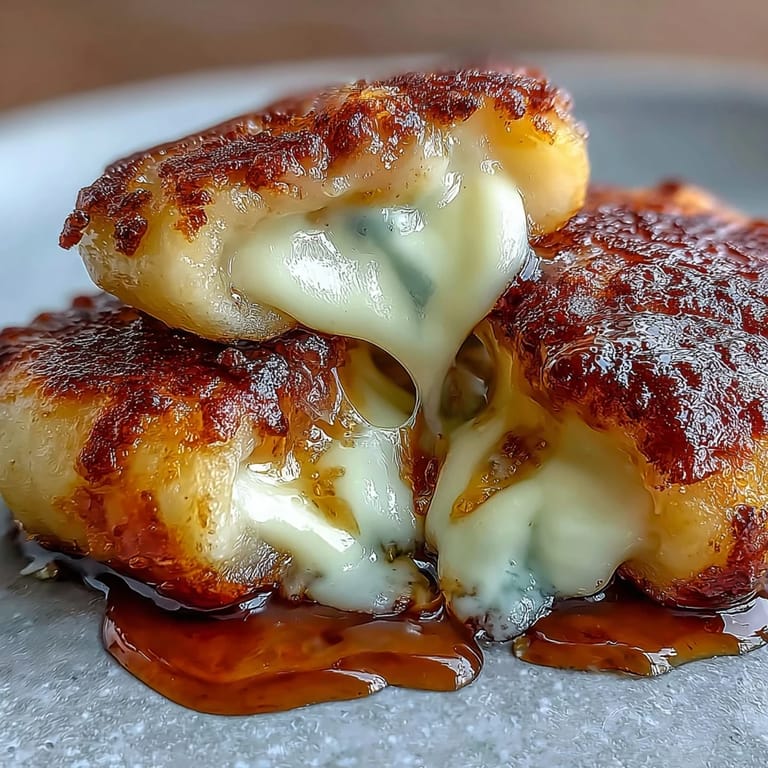
Save The smell of browning butter and caramelized soy sauce hit me before I even stepped into my friend's apartment in Sapporo. She was flipping tiny golden parcels in a skillet, each one sizzling and glossy. When she handed me one still too hot to hold, the cheese inside stretched like a secret being revealed. That first bite, crispy outside and impossibly soft within, taught me that comfort food doesn't need complexity.
I made these for a potluck once, doubled the batch, and watched them disappear in minutes. A neighbor asked if they were some kind of fancy dumpling, and I loved saying they were just potatoes and cheese. There's something satisfying about transforming humble ingredients into something that makes people reach for seconds before they've finished their firsts.
Ingredients
- Russet potatoes: Their high starch content creates the perfect chewy texture, and they mash smoothly without turning gluey if you work them while warm.
- Potato starch or cornstarch: This is what gives imomochi its signature bounce and chew, binding the dough without making it heavy.
- Unsalted butter: A small amount adds richness and helps the dough come together with a silky feel.
- Salt: Enhances the natural sweetness of the potatoes and balances the glaze beautifully.
- Mozzarella cheese: Melts into gooey pockets of joy, though cheddar or gouda work if you want a sharper, richer bite.
- Soy sauce: The backbone of the glaze, bringing deep umami and saltiness that clings to the crispy surface.
- Honey: Adds a floral sweetness that rounds out the soy and creates a glossy finish.
- Mirin: A gentle rice wine sweetness with acidity that keeps the glaze from being cloying.
- Rice vinegar: Brightens everything and cuts through the richness with a subtle tang.
- Neutral oil: For frying without competing flavors, letting the glaze and filling shine.
Tired of Takeout? 🥡
Get 10 meals you can make faster than delivery arrives. Seriously.
One email. No spam. Unsubscribe anytime.
Instructions
- Boil the potatoes:
- Drop the chopped russets into salted boiling water and let them cook until a fork slides through like they're barely there, about 12 to 15 minutes. Drain them well so no extra water dilutes your dough.
- Mash and season:
- Mash while they're still steaming hot, then fold in butter and salt until everything melts together into a smooth, creamy base. The warmth helps the butter incorporate without clumping.
- Form the dough:
- Sprinkle in the potato starch and knead gently until a soft, slightly tacky dough forms. If it sticks to your hands too much, dust in a bit more starch, but don't overdo it or they'll turn tough.
- Shape and fill:
- Divide into 8 pieces, flatten each into a disc, tuck a cheese cube in the center, and pinch the edges to seal. Roll them gently into smooth balls so the cheese stays hidden.
- Pan-fry until golden:
- Heat oil over medium in a nonstick skillet and add the dumplings, turning them every couple minutes until every side is crisp and amber. The smell of toasted starch and browning edges is your cue.
- Glaze and coat:
- Whisk together soy sauce, honey, mirin, and vinegar, then pour it into the skillet. Toss gently and let it bubble and thicken for a minute or two until each dumpling is shiny and sticky.
- Serve warm:
- Transfer to a plate while they're still hot so the cheese is molten. Scatter sliced scallions or sesame seeds on top if you want a little crunch and color.
 Save
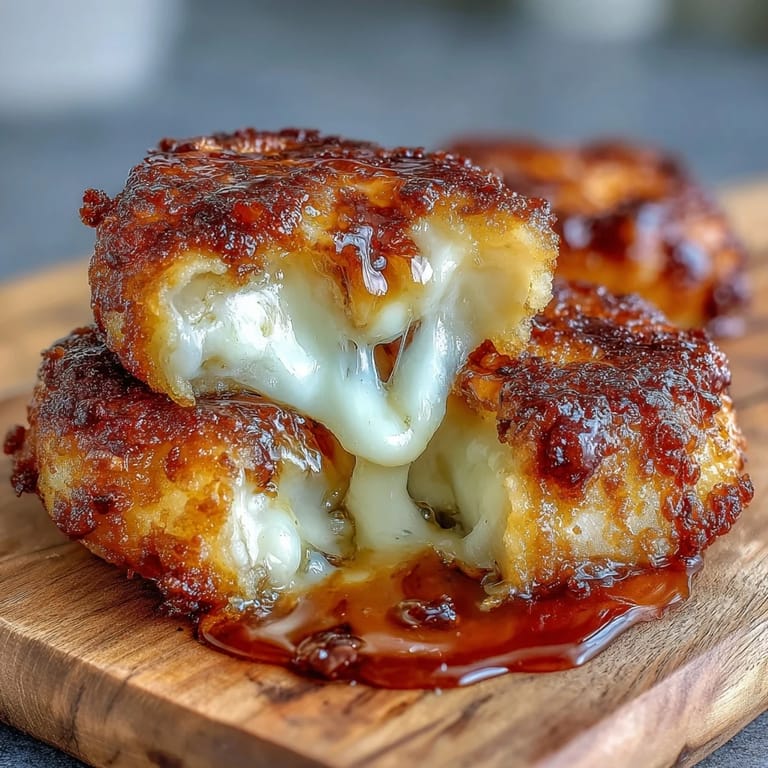
Save One rainy afternoon, I made a batch just for myself and ate them straight from the skillet, each one almost too hot but impossible to wait for. The way the glaze pooled on the plate and the cheese stretched with every bite felt like the kind of small indulgence that makes ordinary days better. Sometimes the best meals are the ones no one else sees.
Choosing Your Cheese
Mozzarella is classic for its melt and mild flavor, but I've swapped in sharp cheddar when I wanted something bolder, and smoked gouda when I was feeling fancy. The key is cutting it into cubes that fit snugly inside the dough so they melt evenly without bursting through. Whatever you choose, make sure it's a cheese that stretches, because that's half the magic.
Making It Ahead
You can shape the dumplings, place them on a parchment-lined tray, and freeze them solid before transferring to a bag. When you're ready, fry them straight from frozen, adding a minute or two to the cooking time. The glaze can be mixed and stored in the fridge for up to a week, ready to pour into the pan whenever you need it.
Serving Suggestions
These shine as a snack with green tea or as an appetizer before a bigger meal. I've served them alongside a crisp cucumber salad dressed in rice vinegar, and the contrast of cool and crunchy with warm and chewy was perfect. They're also great tucked into a bento box or eaten cold the next day, though I'll admit they're never quite as good as fresh from the skillet.
- Pair with a light miso soup to keep things Japanese-inspired and comforting.
- Serve with a drizzle of extra glaze on the side for dipping if you like things extra saucy.
- Garnish with shichimi togarashi for a gentle kick of heat and complexity.
 Save
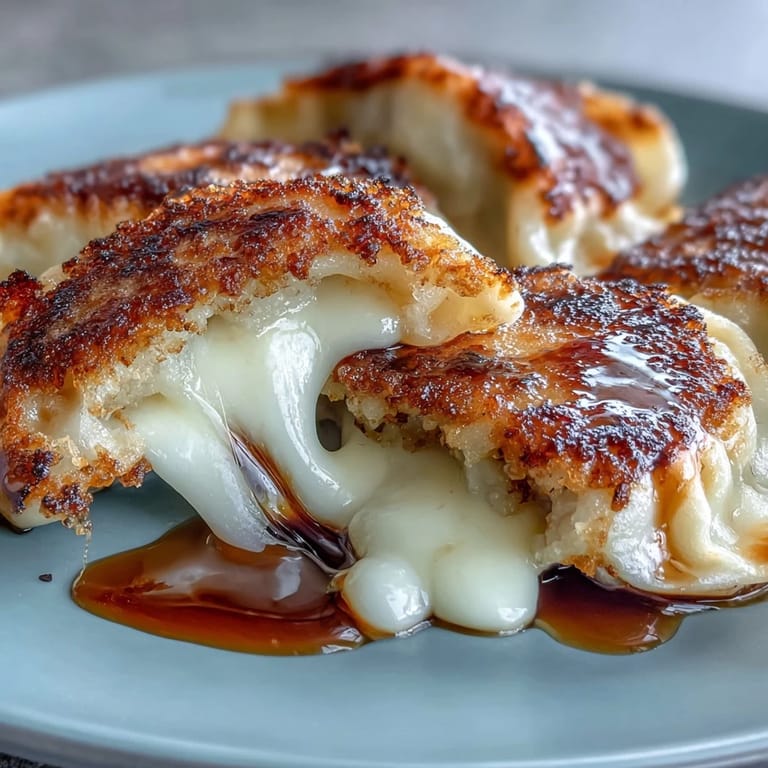
Save There's a quiet joy in pulling these off the heat, watching the glaze settle into a shiny coat, and knowing that something this simple can feel this special. Make them once, and they'll become part of your repertoire forever.
Your Questions Answered
- → Can I make these ahead of time?
Yes, you can shape the dumplings and refrigerate them for up to 24 hours before frying. You can also freeze them uncooked for up to a month and fry directly from frozen, adding a few extra minutes to the cooking time.
- → What cheese works best for imomochi?
Mozzarella is traditional for its excellent melt and mild flavor, but cheddar offers a sharper taste and gouda provides a creamy richness. Choose based on your preference for meltiness versus flavor intensity.
- → Why is my dough too sticky to work with?
The moisture content in potatoes varies. If your dough is too sticky, gradually add more potato starch, one tablespoon at a time, until it becomes manageable. The dough should be soft but hold its shape when formed.
- → Can I bake these instead of pan-frying?
While pan-frying gives the best golden crust and texture, you can bake them at 400°F (200°C) for 20-25 minutes, flipping halfway through. Brush with oil before baking for better browning, then toss with the glaze after baking.
- → How do I prevent the cheese from leaking out?
Make sure to completely seal the dough around the cheese cube with no gaps. Pinch the seams firmly and roll the dumpling smooth. Avoid overcooking at high heat, which can cause the cheese to burst through the mochi.
- → Is potato starch necessary or can I use only cornstarch?
Potato starch creates a chewier, more authentic mochi texture, but cornstarch works as a substitute. The texture will be slightly different—a bit less chewy—but still delicious and perfectly acceptable.