 Save
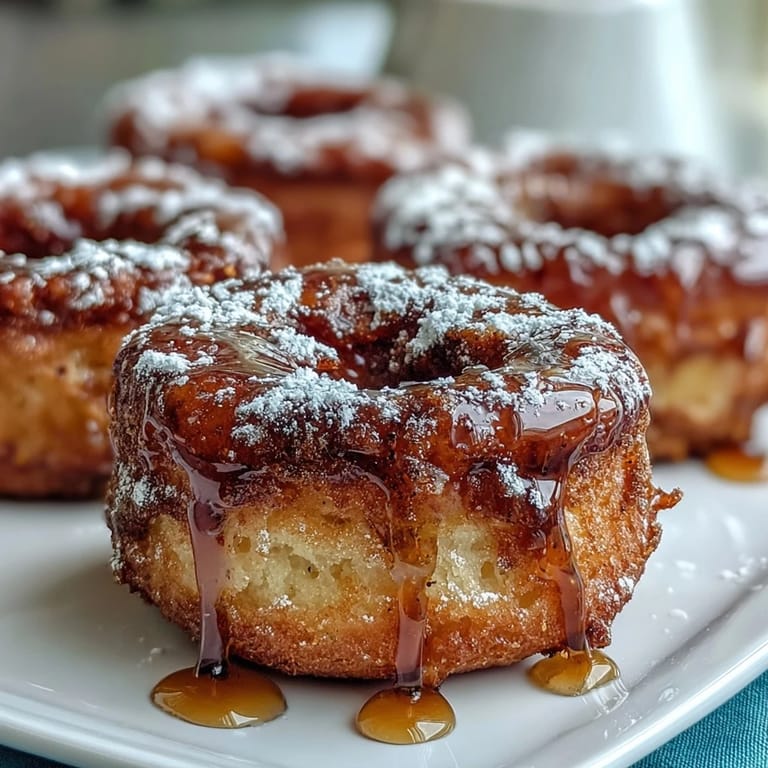
Save My neighbor showed up one morning with a box of these cardamom donuts from a Turkish bakery, still warm from the fryer, and the kitchen filled instantly with this exotic, almost floral warmth that made me stop whatever I was doing. I bit into one and couldn't stop eating them until they were gone, then spent the next week trying to recreate that exact magic in my own kitchen. What I discovered is that cardamom—when paired with a tender, yeast-raised donut and a smooth honey glaze—creates something that tastes both sophisticated and deeply comforting, like you've traveled somewhere special without leaving home.
I made a batch for my book club on a rainy Sunday, and someone actually paused mid-sentence to savor one—that kind of moment where food stops conversation entirely. That's when I knew these weren't just good; they were the kind of thing people would ask you to make again and again, the kind of small gesture that somehow means something bigger.
Ingredients
- All-purpose flour (3 cups): The foundation of structure; make sure it's fresh since old flour can affect your rise.
- Active dry yeast (2¼ tsp): This is what gives you that cloud-like texture, so don't skip it or substitute instant yeast without adjusting the amount slightly.
- Granulated sugar (¼ cup): Feeds the yeast and sweetens the dough just enough so the honey glaze becomes the star.
- Salt (½ tsp): Balances sweetness and strengthens gluten development, which sounds technical but really just means better structure.
- Ground cardamom (1 tsp for dough, ¼ tsp for glaze): The soul of this recipe—buy it whole and grind it yourself if possible, since pre-ground loses its punch faster than you'd think.
- Whole milk, lukewarm (¾ cup): Warmth matters here; cold milk will slow down your yeast, and too-hot milk will kill it entirely.
- Large eggs, room temperature (2): Room temperature eggs incorporate more smoothly and help create that tender crumb.
- Unsalted butter, melted (¼ cup): Keeps the donuts tender and adds richness without the salt interfering with your yeast.
- Vegetable oil for frying (1 quart): Choose something neutral-flavored; you want the cardamom to shine, not compete with oil taste.
- Honey (½ cup): The glaze's sweetness comes from here, so use something you'd actually eat on toast.
- Powdered sugar, sifted (1 cup): Sift it even if it seems tedious—lumps in glaze are not the vibe.
- Milk for glaze (2 tbsp): Creates the right consistency; add drops more if your glaze is too thick.
Tired of Takeout? 🥡
Get 10 meals you can make faster than delivery arrives. Seriously.
One email. No spam. Unsubscribe anytime.
Instructions
- Bloom your yeast:
- Dissolve the yeast in lukewarm milk and let it sit for 5 minutes until it's foamy on top—this tells you the yeast is alive and ready to work. If it doesn't foam, your yeast is dead and you need to start over with fresh stuff.
- Build your dough:
- Combine flour, sugar, salt, and cardamom in a bowl, then add the yeast mixture along with eggs and melted butter. Mix until everything comes together into a shaggy dough, and don't worry if it looks rough at this stage.
- Knead into smoothness:
- Knead on a floured surface for 5 to 7 minutes until the dough is smooth and elastic and springs back slightly when you poke it. You'll feel the transformation under your hands—that's how you know you're done.
- Let it rise:
- Place the dough in a greased bowl, cover it with a kitchen towel, and let it sit in a warm place for about an hour until it's doubled in size. A warm oven with just the light on, or a sunny windowsill, both work perfectly.
- Cut your donuts:
- Punch down the dough (satisfying, honestly), roll it out to about ½ inch thick, and cut donuts with a donut cutter or two round cutters. Save those little holes—they fry up beautifully too.
- Second rise:
- Arrange your cut donuts on a parchment-lined sheet, cover them loosely, and let them puff up again for 30 minutes. They should look slightly puffy but not enormous; you want them tender, not dense.
- Fry with care:
- Heat oil to 350°F—use a thermometer, not a guess—and fry donuts 1 to 2 minutes per side until they're golden brown and float to the surface. Work in small batches so the oil temperature stays steady.
- Make your glaze:
- Whisk together honey, sifted powdered sugar, milk, cardamom, and a pinch of salt until you have something smooth and pourable. If it's too thick, add more milk a teaspoon at a time.
- Glaze while warm:
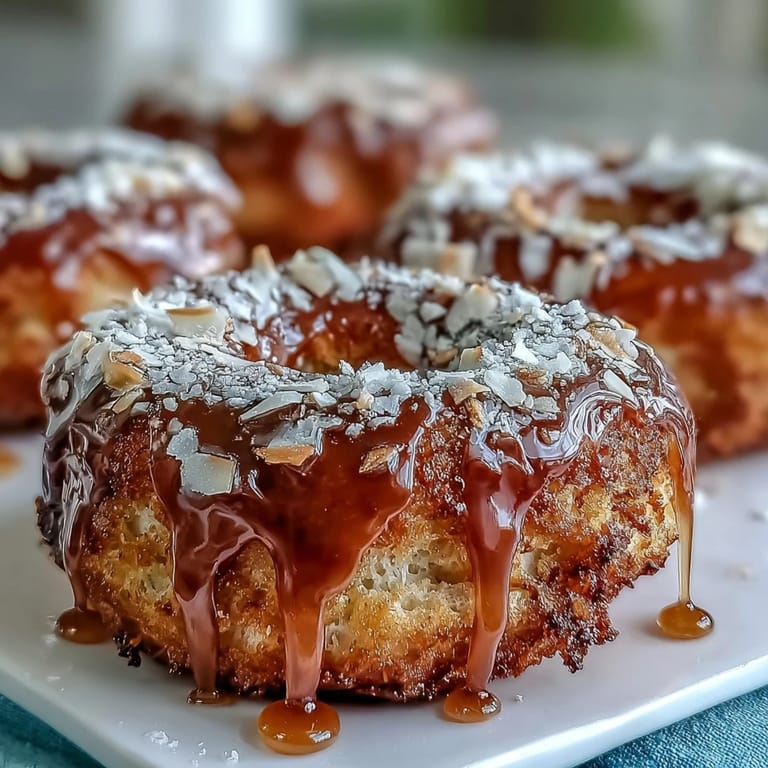
- Dip each warm donut into the glaze, let the excess drip off, and place it on a rack to set. Warm donuts absorb glaze beautifully; cold donuts give you a thick, crackly coating instead.
 Save
Save There's something almost meditative about watching these donuts float and turn golden in the oil, the kitchen filling with that warm, spiced steam. By the time you're glazing them, you've already created something memorable—the rest is just the delicious finale.
The Cardamom Question
Cardamom can seem intimidating if you've never used it, but it's honestly one of the most rewarding spices to work with because a little goes a long way and it transforms everything it touches. When I first started experimenting with it, I was heavy-handed and ended up with donuts that tasted like perfume, which taught me that restraint matters here. Now I grind my pods fresh and measure carefully, and the reward is this subtle, sophisticated flavor that makes people ask what the secret ingredient is.
Timing and Temperature
The rise times I've given you are guidelines, not rules—a warmer kitchen means faster rising, and a cold one means you might need an extra 15 minutes or so. I once made these in February with a sluggish oven and they took nearly 90 minutes for the second rise, but the result was actually better because the slow rise developed flavor. The key is watching your dough rather than the clock; when it looks puffy and jiggles slightly, it's ready.
Make It Your Own
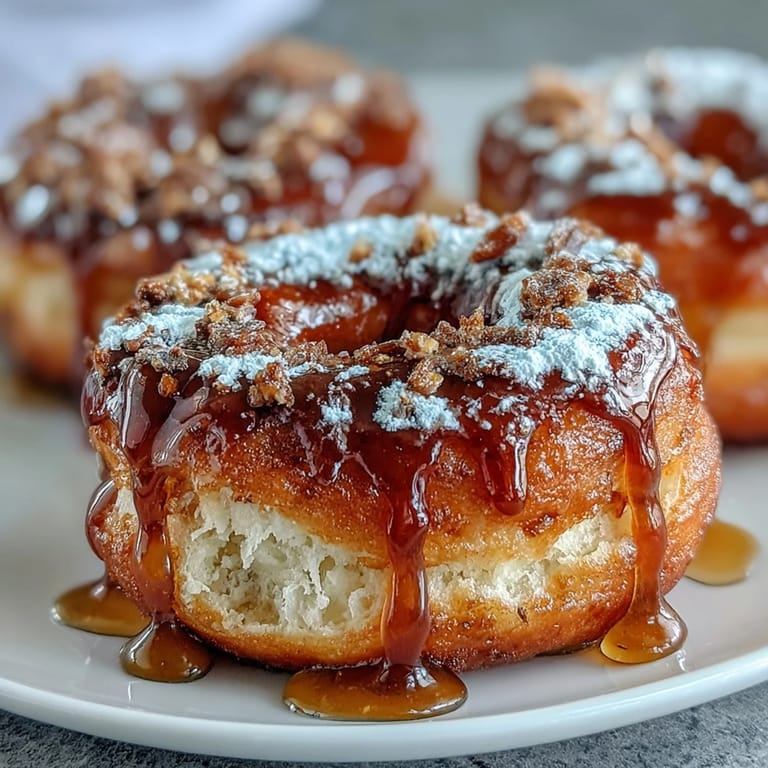
Once you've mastered the basic recipe, this is the kind of donut that invites creativity and experimentation. I've topped mine with finely chopped pistachios, sprinkled them with sea salt, and even tried a rose water variation that was unexpectedly beautiful. The base dough is flexible enough that you can play around with it while keeping that essential cardamom character intact.
- Pistachios scattered over wet glaze add a luxe touch and a subtle texture contrast.
- Store any leftovers in an airtight container for up to 2 days, though honestly they're best eaten within hours of glazing.
- If dairy isn't your thing, swap the milk for almond or oat milk and use vegan butter—the donuts work beautifully either way.
 Save
Save These donuts have a way of turning an ordinary morning into something special, the kind of thing that makes people feel seen and cared for. Make them once and you'll find yourself thinking about them for weeks.
Your Questions Answered
- → How do I get the dough fluffy and soft?
Ensure you knead the dough until smooth and elastic, and allow it to rise in a warm place until doubled in size to develop fluffiness.
- → What oil is best for frying these donuts?
Use vegetable oil heated to 350°F (175°C) for even frying and a crispy golden exterior.
- → Can I substitute ingredients for dietary needs?
Yes, almond milk can replace dairy milk for a dairy-free variation without affecting texture much.
- → How can I enhance the flavor beyond cardamom and honey?
Sprinkling finely chopped pistachios over the glaze adds a delightful crunch and complements the spices.
- → How should I store the finished donuts?
Store in an airtight container to maintain freshness for up to two days, although they’re best enjoyed fresh.