 Save
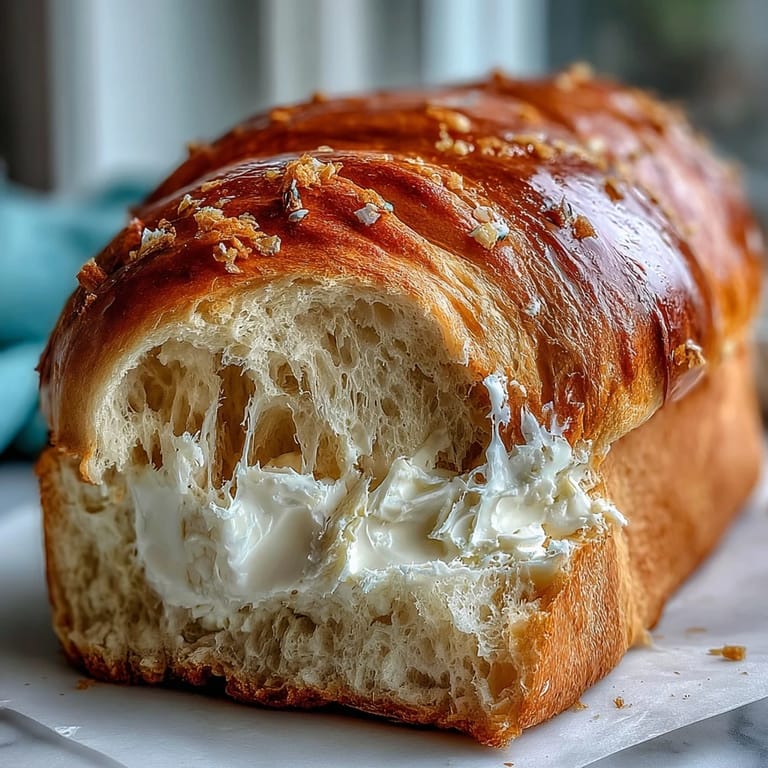
Save The gentle aroma of warm, freshly baked bread still manages to surprise me every time, especially when it comes from a loaf of Japanese Milk Bread. One rainy afternoon, I tried baking it to see what the fuss around Tangzhong was about. The kitchen took on a faint, sweet haze as I stirred roux and milk together for the first time. My enthusiasm definitely outpaced my experience, but this recipe didn’t seem to mind. Sometimes you just have to let yourself be curious and see where a loaf takes you.
The morning my partner wandered in, bleary-eyed, just as I was punching down the second rise, is burned into my memory. He sleepily asked what smelled 'like cake and clouds had a baby'—and that made me laugh so hard I nearly forgot to shape the dough.
Ingredients
- Bread flour: Gives the bread its signature chewy fluff—don’t swap for all-purpose or you’ll miss that pillowy lift.
- Whole milk: Adds richness and helps keep the crumb soft; use room temperature for best results.
- Unsalted butter: Each tablespoon creates creaminess in every bite, and it blends easier if you let it fully soften.
- Sugar: Just the right amount for subtle sweetness without veering into dessert territory.
- Fine sea salt: Rounds out flavors and boosts the dough’s fermentation.
- Instant yeast: Saves time and ensures a dependable rise—no proofing needed, just mix it in.
- Egg: The secret to that rich, tender crumb; cracking it in and watching it swirl through the dough always feels a little magical.
- Tangzhong (flour, water, milk): This cooked paste keeps your bread moist for days; don’t skip or rush it, it’s worth the three minutes on the stove.
- Milk (for topping): The final milky brush makes your loaf gorgeously golden and softens the crunchy crust as it bakes.
Tired of Takeout? 🥡
Get 10 meals you can make faster than delivery arrives. Seriously.
One email. No spam. Unsubscribe anytime.
Instructions
- Prepare the Tangzhong:
- Whisk bread flour, water, and milk together in a small saucepan over medium heat. Stir constantly until the mixture thickens and becomes a soft paste after a few minutes; set aside to cool until just warm.
- Mix the Dough:
- In a large bowl or the bowl of a mixer, combine flour, sugar, salt, and instant yeast. Add the cooled tangzhong, warm milk, and egg, and mix until a shaggy dough comes together.
- Knead Until Silky:
- Add the softened butter, then knead by hand or with a dough hook for 10-15 minutes, until the dough is very smooth and stretches without tearing. It should feel springy when poked but not sticky.
- First Rise:
- Pop the dough into a lightly greased bowl, cover, and let it rise somewhere cozy until it doubles in size—about an hour if your kitchen isn’t too chilly.
- Shape Like a Pro:
- Punch down the dough and divide it into three equal parts. Roll each into a rectangle, fold in the sides, and roll up into snug little logs; nestle them, seam side down, into your greased loaf pan.
- Second Rise:
- Cover and let rise again until the dough nearly reaches the top of your pan, about 30-45 minutes; it should feel buoyant to the touch.
- Bake to Golden Perfection:
- Preheat your oven to 350F (175C). Brush the loaf with milk, then bake for about 28-32 minutes, until the crust is deeply golden and the loaf sounds hollow if tapped on the bottom.
- Cool and Slice:
- Let the bread cool in its pan for 10 minutes, then gently ease it out onto a wire rack and allow it to cool completely before slicing so the crumb stays intact.
 Save
Save  Save
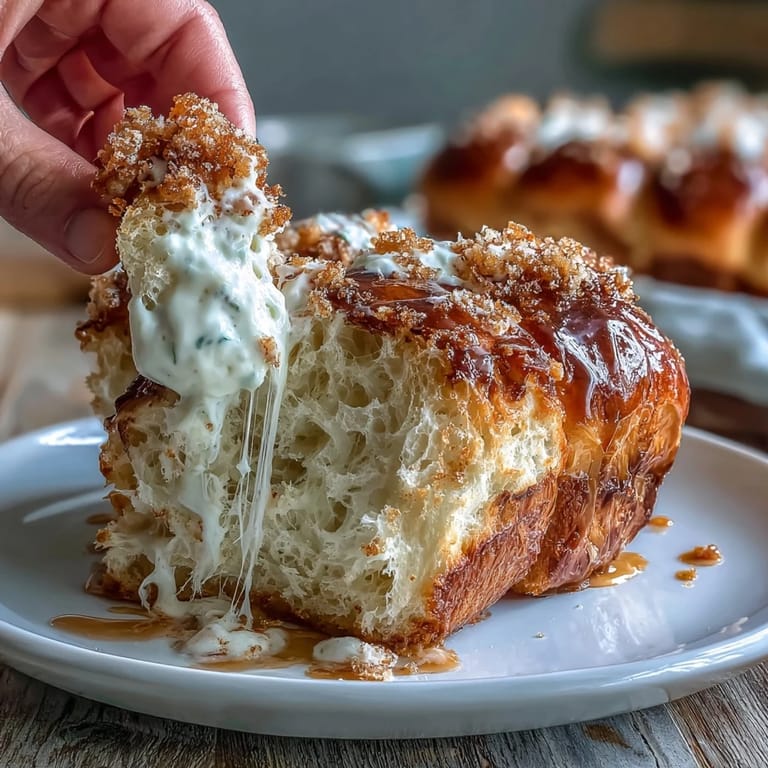
Save When I finally sliced into that first loaf, watching steam billow out as butter melted instantly on the warm crumb, a hush fell over the kitchen. My friend’s delighted grin was all the proof I needed that this recipe wasn’t just about bread—it was breakfast, comfort, and a little bit of pride all at once.
Making the Tangzhong Like a Pro
I used to fuss over lumps, but the best tip is to keep whisking before the heat gets too high. The second it looks like pudding and lines form with your whisk, pull it off—that’s your cue for perfect tangzhong every time.
Troubleshooting Lofty Expectations
If your loaf is stubbornly short, it usually means the dough didn’t develop enough gluten—knead until you can stretch a windowpane without it tearing. Keep your yeast fresh, especially if it’s been languishing in the fridge door for months.
Keeping Your Bread Fresh and Irresistible
This bread is almost too good on day one, but if you tuck it away in an airtight container it stays remarkably tender for days. Quick hack: a slice of apple in the box keeps things humid but not soggy, extending that bakery-level chew.
- If you want extra richness, swap a splash of milk for cream.
- Jam or salted butter on a toasted slice might ruin store-bought bread for you forever.
- Resist the urge to slice before fully cooled—the crumb will thank you.
 Save
Save 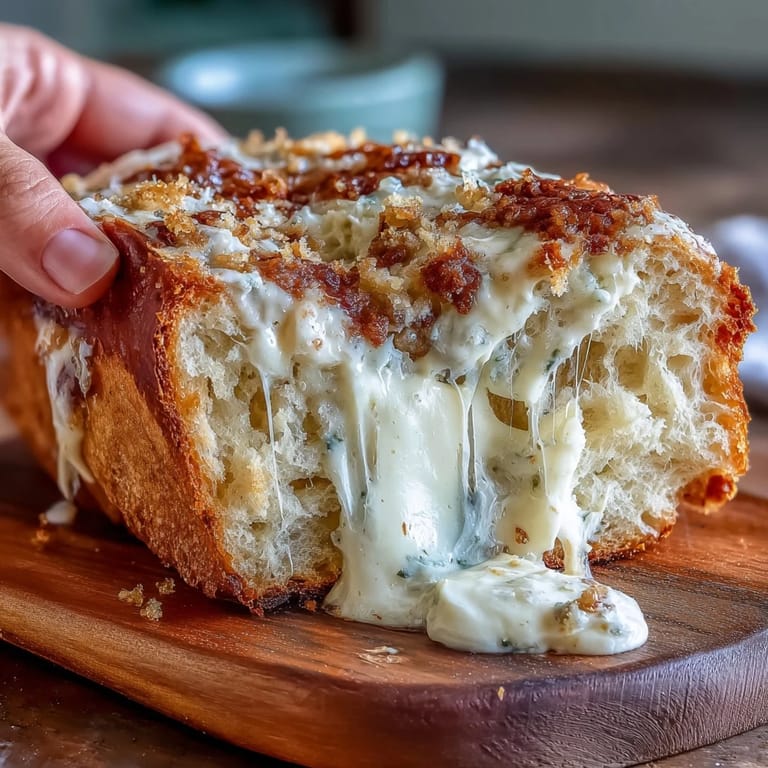 Save
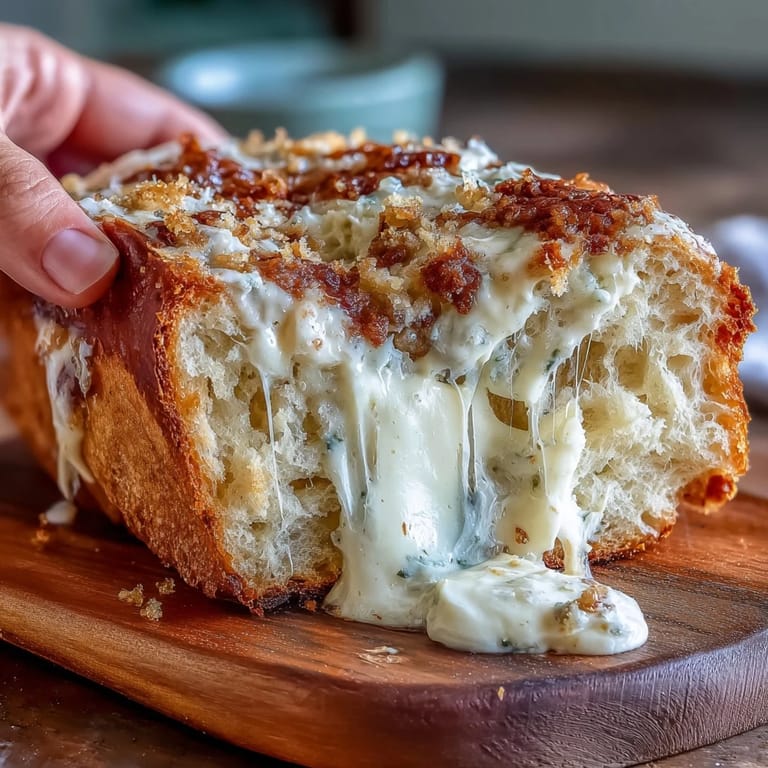
Save There’s always a little spark of joy in pulling this loaf out of the oven. I hope it becomes the soft, sweet backdrop to your own kitchen moments—messy, memorable, and better each time.
Your Questions Answered
- → What is Tangzhong and why use it?
Tangzhong is a cooked flour-and-liquid paste added to the dough to gelatinize starches. It traps moisture, producing a softer crumb and longer-lasting freshness without extra fat.
- → Can I swap whole milk for alternatives?
Whole milk gives richness and tenderness; you can use a mix of milk and cream for extra softness, or a plant-based milk for a dairy-free loaf—expect slightly different texture and browning.
- → How long should I knead the dough?
Knead by hand for about 10–15 minutes or with a stand mixer until the dough is smooth, elastic and slightly tacky. Proper gluten development delivers the characteristic pillowy structure.
- → How can I tell when the loaf is done?
Bake until the top is golden and the loaf sounds hollow when tapped. Internal temperature near 190–200°F (88–93°C) indicates a fully baked interior.
- → Can I refrigerate or freeze the dough?
For slower flavor development, refrigerate the shaped dough for a cold second rise (overnight). Baked loaf freezes well wrapped tightly; thaw at room temperature and refresh in a low oven if desired.
- → Best way to store and serve the loaf?
Store cooled slices in an airtight container at room temperature for a few days, or freeze for longer. Toasting enhances texture and brings out buttery notes—excellent with jam or savory fillings.