 Save
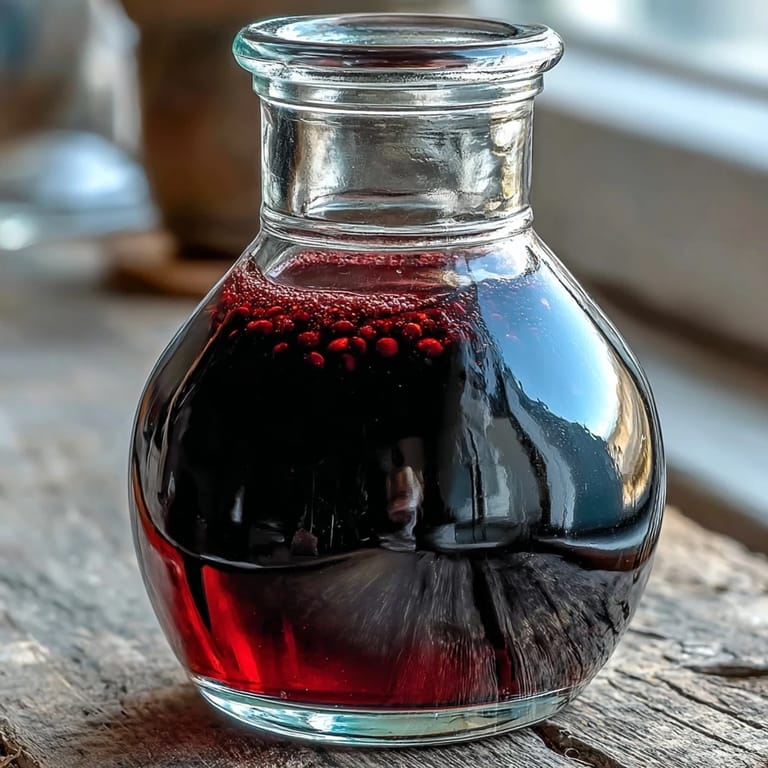
Save One winter, my neighbor handed me a dark bottle filled with liquid the color of blackcurrant jam and told me she'd made it herself three months prior. I was skeptical until I tasted it—smooth, fruity, nothing like the artificial liqueurs I'd known. That evening, I raided the farmers market for blackcurrants and committed to learning the craft. What I discovered was that patience and a mason jar were all I needed to create something truly special.
I made this for the first time during a particularly quiet autumn, when I needed something to focus on besides scrolling through my phone. Every few days, I'd pull the jar from its dark cabinet corner, give it a gentle shake, and watch the sugar slowly dissolve into the vodka. By the time November arrived, friends were gathering around my kitchen, and I served it in small glasses with ice—their reactions made those six weeks of waiting feel entirely worth it.
Ingredients
- Fresh or frozen blackcurrants, 500 g: These are the soul of the liqueur—frozen works beautifully if fresh aren't available, and honestly, they sometimes infuse faster since the cell walls break down naturally.
- Vodka, 750 ml: Quality matters here because this is your base; a neutral, mid-range vodka works best rather than the cheapest option, which can taste harsh even after infusing.
- Granulated sugar, 250–350 g: Start at 250 g if you prefer tartness, creep toward 350 g if you like dessert-style sweetness, and remember you can always adjust in future batches based on your first tasting.
Tired of Takeout? 🥡
Get 10 meals you can make faster than delivery arrives. Seriously.
One email. No spam. Unsubscribe anytime.
Instructions
- Prepare and layer:
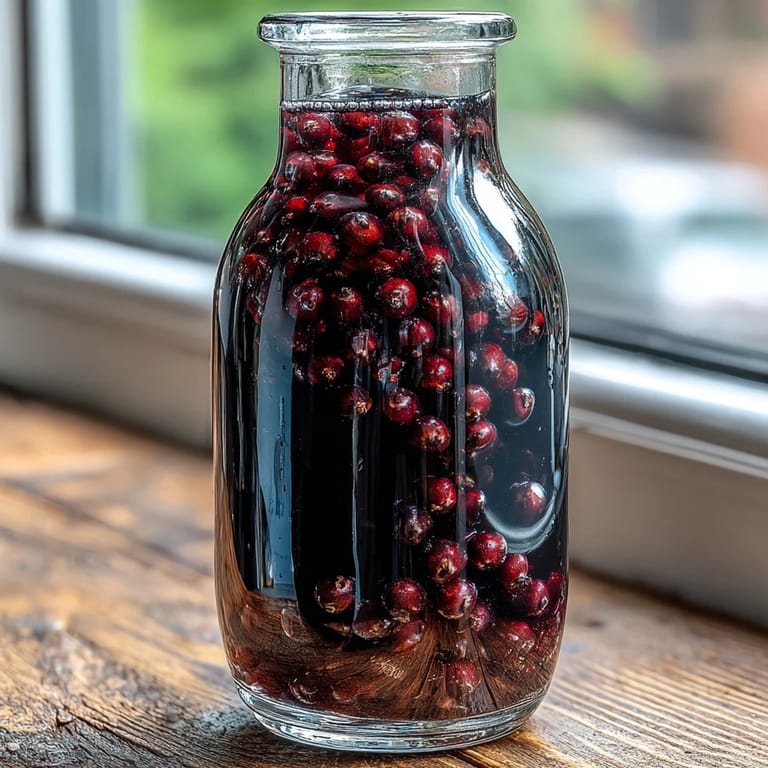
- Rinse the blackcurrants and remove any stems, then pat them dry if they're fresh—this prevents excess water from diluting your final liqueur. Layer them into a sterilized glass jar, sprinkle the sugar over them, and pour in the vodka until everything is submerged.
- Seal and shake:
- Screw the lid down tightly and give the jar a gentle shake to start mixing the sugar into the vodka. This small gesture signals to your brain that something exciting is beginning.
- Infuse with patience:
- Place the jar in a cool, dark cupboard away from direct sunlight—somewhere you'll remember to visit it. Every two to three days, retrieve it and shake gently, watching the color deepen from pale to ruby to deep plum over the weeks.
- Taste and decide:
- After three weeks, open the jar and taste a small sip on a spoon—the flavor should taste distinctly of blackcurrant and alcohol, neither too raw nor too muted. If it's not quite there, reseal and wait another week or two.
- Strain with care:
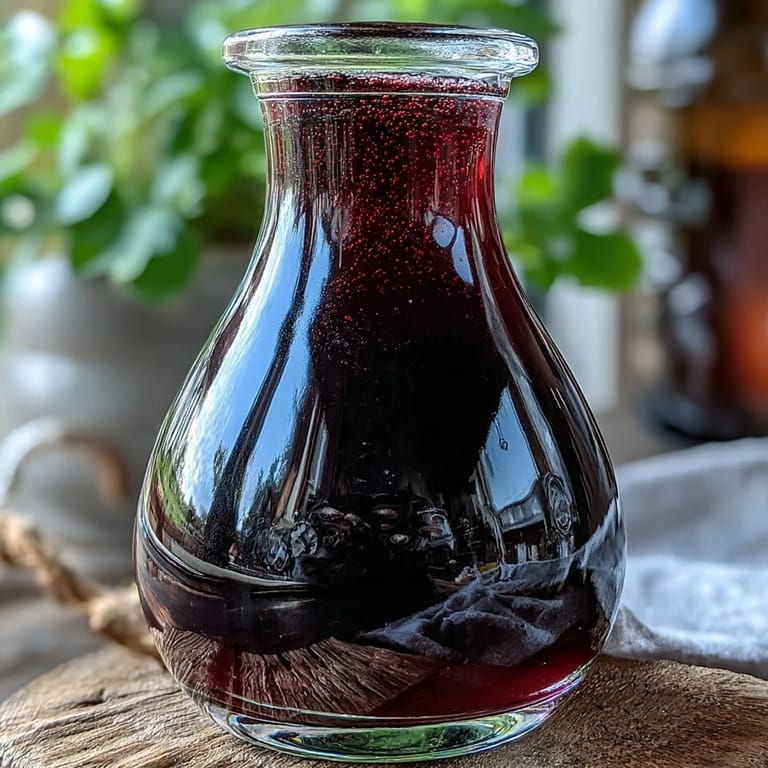
- Pour the infused liqueur through a fine sieve lined with muslin cloth into clean bottles, allowing it to drip slowly rather than forcing it. The spent berries can be reserved for baking or composted.
- Let it mature:
- Seal your finished liqueur and return it to the dark cupboard for another two to four weeks if you can wait—the flavors marry and smooth considerably during this resting period.
 Save
Save The real magic happened when a friend brought her own homemade blackcurrant liqueur to a dinner I was hosting, and we realized we'd both learned from the same neighbor. We laughed, tasted them side by side, and discovered that even with the same ingredients, our versions were subtly different—hers was drier, mine slightly sweeter. That's when I understood this recipe isn't about perfection; it's about making something uniquely yours.
Choosing the Right Blackcurrants
Fresh blackcurrants have a short season and aren't always easy to find, which is why frozen ones are genuinely perfect for this project. The freezing process breaks down the cell walls, allowing the berries to release their flavor faster, sometimes cutting your infusion time by a week or more. If you do find fresh ones at a farmers market in summer, snap them up—the liqueur will have an even fresher taste—but don't feel limited; frozen berries produce results that are just as delicious.
Flavor Variations Worth Exploring
The base recipe is pure and simple, but once you've made it once, you'll start imagining variations. A strip of lemon zest adds brightness and cuts through richness, while a split vanilla bean creates something that tastes almost creamy despite having no cream. I've experimented with a cinnamon stick and a cardamom pod too, added for the final two weeks of infusion so they don't overpower the blackcurrant—each addition teaches you something about how flavors interact.
What to Do With Your Finished Liqueur
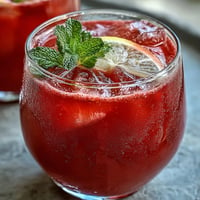
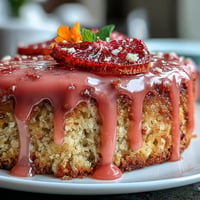
Serve it chilled in small glasses as a digestif after dinner, when the richness and smoothness can be fully appreciated. It transforms cocktails—a splash in prosecco creates an elegant aperitif, while a measure stirred into vodka sours adds complexity and depth. The spent berries shouldn't go to waste: fold them into cake batters, swirl them into yogurt, or reduce them gently with a touch of sugar to create a jewel-toned jam.
- Always store your finished liqueur in a cool, dark place away from heat or sunlight to preserve the flavor and color.
- If you notice the color fading over months or years, the liqueur is still perfectly fine—exposure to light just causes some pigment loss.
- Gift bottles to people you cook for, and watch their faces light up when they realize you made something this good.
 Save
Save Making blackcurrant vodka liqueur is less about following rules and more about trusting the process and your own palate. In a few weeks, you'll have created something that tastes like summer and patience combined.
Your Questions Answered
- → How long does blackcurrant vodka need to infuse?
The infusion period typically takes 3–6 weeks. Taste the liqueur after 3 weeks and continue infusing until the flavor reaches your preferred intensity. The longer it infuses, the richer the blackcurrant flavor becomes.
- → Can I use frozen blackcurrants instead of fresh?
Yes, frozen blackcurrants work perfectly for this infusion. Thaw them slightly before adding to the jar, and pat dry if there's excess moisture. The freezing process can actually help release more fruit flavors during infusion.
- → What type of vodka should I use?
Choose a quality neutral vodka as the base spirit. Since the vodka provides the alcohol content and carries the blackcurrant flavors, a clean, smooth vodka without harsh aftertaste works best. No need for expensive premium brands, but avoid the cheapest options.
- → How should I store the finished liqueur?
Store your bottled blackcurrant vodka in a cool, dark place away from direct sunlight. A cupboard or pantry works well. The liqueur will continue to mature and develop deeper flavors over time. Properly stored, it keeps for up to a year.
- → Can I adjust the sweetness level?
Absolutely. Start with 250g sugar for a tart, fruity liqueur or increase to 350g for a sweeter finish. You can always add more sugar during the infusion process if you prefer. Dissolve additional sugar in a small amount of warm vodka before adding to prevent graininess.
- → What can I do with the strained blackcurrants?
The spent berries still retain flavor and sweetness. Use them in baking—add to cakes, muffins, or crumbles. They also work well stirred into oatmeal or yogurt, or cook them down with additional sugar to create a quick jam or compote.