 Save
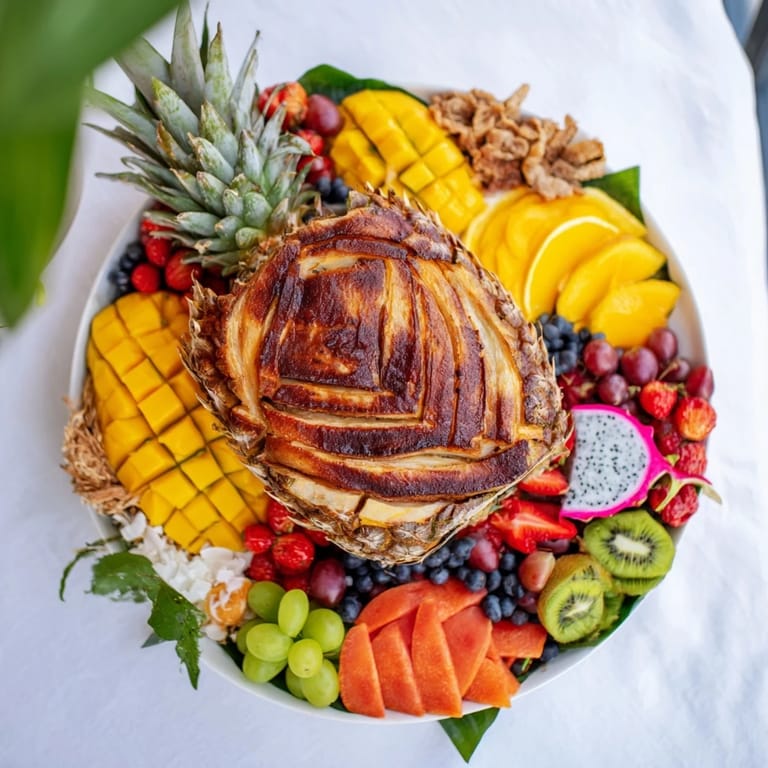
Save I'll never forget the afternoon my sister arrived from Hawaii with stories about a beach wedding where the dessert table featured nothing but a towering display of tropical fruits arranged like edible art. She described the pineapple half at the center, halved vertically with its crown still intact, surrounded by rings of mango, papaya, and berries in every color imaginable. That image stayed with me for months until one summer evening, I decided to recreate that moment in my own kitchen. What started as a nostalgic experiment became something I make whenever I want to feel transported to warmer places, or when I need to impress guests with something that looks far more complicated than it actually is.
I brought this platter to a potluck last summer, and it became the first thing people gravitated toward, not because they were hungry, but because they couldn't stop photographing it. What surprised me most wasn't the compliments about how it looked—it was watching how the bright colors and vibrant flavors seemed to lighten everyone's mood. Suddenly, people were swapping stories about their own tropical vacations, sharing fruit recommendations, and the whole gathering felt a little more joyful. That's when I realized this dish does something beyond nourish; it sparks connection.
Ingredients
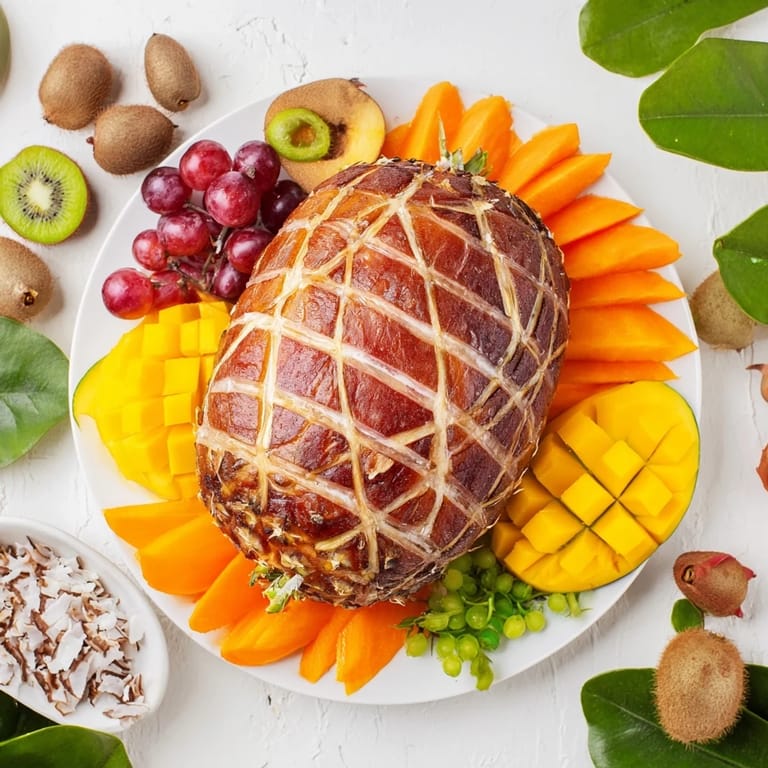
- 1 large ripe pineapple, halved vertically: This is your star, your centerpiece, your anchor. Look for one that feels heavy for its size—that's where the juice hides. The crown of leaves stays on for drama and presentation, while the scored flesh inside makes it effortless for guests to serve themselves without looking awkward with a knife.
- 2 kiwis, peeled and sliced: The jewel-tone green is irreplaceable; no other fruit quite captures that same brightness. Slice them about a quarter-inch thick so they hold their shape and don't get lost among the other colors.
- 1 mango, peeled and sliced: Choose one that yields slightly to pressure but isn't mushy. The way the golden color catches the light makes the whole arrangement glow. This is the fruit that adds sophistication to your platter.
- 1 papaya, peeled, seeded, and sliced: I learned the hard way that papaya seeds are bitter, so scoop them out generously. The soft peachy tone creates a beautiful transition between the deeper oranges and the lighter fruits.
- 1 small dragon fruit, peeled and sliced: This one's optional but worth seeking out. The pale pink exterior with black seeds is so visually arresting that people often ask what it is before trying it. It tastes subtly sweet, almost delicate.
- 1 cup strawberries, hulled and halved: Fresh strawberries add a familiar comfort to the exotic arrangement. Their red is so pure it almost glows when the afternoon sun hits the platter.
- 1 cup seedless grapes, halved: The halving matters more than you'd think—it keeps the platter looking intentional and allows the juice inside to release slightly, adding moisture and shimmer to the display.
- 1/2 cup blueberries: These are your tiny flavor-bursts that guests will pop into their mouths between bites of larger fruit. They add depth and a slight tartness that balances the sweetness.
- 1/2 cup raspberries: Handle these with care; they bruise easily, so add them last. Their delicate nature reminds you to work gently when arranging, which somehow makes the whole process feel more meditative.
- 1/2 cup pomegranate arils: These jewel-like seeds are pure magic on a platter. They catch the light, add a slight tartness, and make everything feel more luxurious. If pomegranate season has passed, don't skip this—they're worth planning around.
- 1/4 cup unsweetened shredded coconut: This is your textural element, the secret that makes people say, 'What's that flavor?' Keep it unsweetened so it doesn't compete with the natural sweetness of the fruit. Toast it lightly in a dry pan for a minute if you want extra coconut flavor to shine through.
- Fresh mint leaves: These are your finishing touch. They add a whisper of fragrance and a pop of green that ties everything together. Tear them gently by hand rather than chopping—it releases the oils and looks more natural.
Tired of Takeout? 🥡
Get 10 meals you can make faster than delivery arrives. Seriously.
One email. No spam. Unsubscribe anytime.
Instructions
- Prepare your canvas:
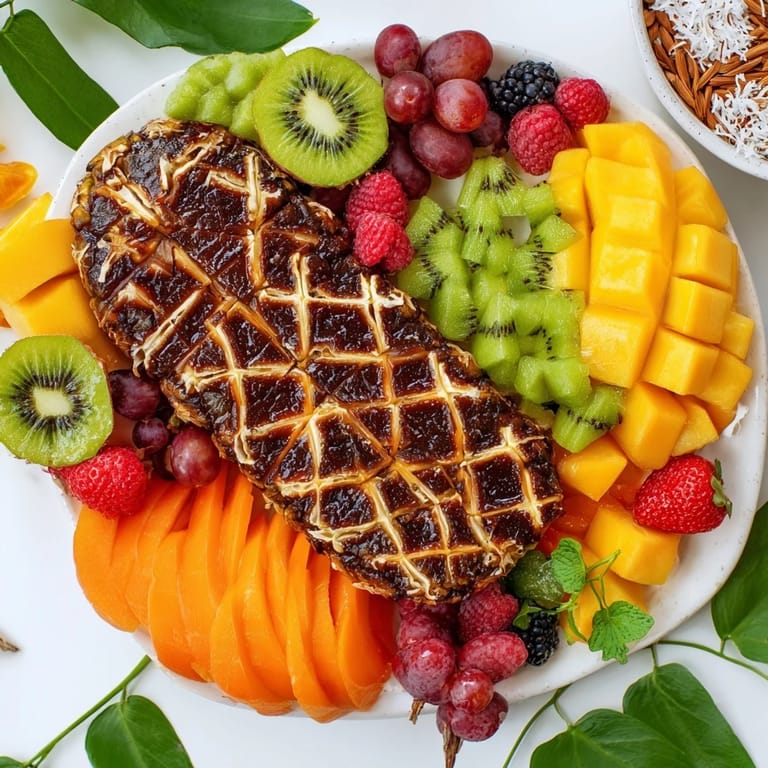
- Take your pineapple half and place it cut-side up in the absolute center of your largest serving platter. This is your moment to pause and appreciate what you're about to create. Using a paring knife, score the flesh in a gentle crosshatch pattern—not too deep, just enough so the flesh separates easily when someone wants to scoop out a bite. The skin and those gorgeous crown leaves stay intact; they're doing the visual heavy lifting here.
- Create your color flow:
- Start fanning your mango, papaya, and dragon fruit slices outward from the pineapple like rays of sunshine. Alternate the colors deliberately—it's not random; you're painting with fruit. This is where the platter transforms from 'nice' to 'stunning.' Step back after each addition and look at the overall color balance. If one side feels heavy in tone, counterbalance it on the opposite side.
- Fill the spaces with intention:
- Now comes the meditative part. Arrange kiwi slices in overlapping rows, fill gaps with strawberries, grapes, and the delicate berries. Think of this like creating a mandala—symmetrical, balanced, but with your own artistic touch. The blueberries and raspberries are small enough to tuck into spaces, like finding the perfect piece of a puzzle.
- Add texture and fragrance:
- Sprinkle the shredded coconut across the fruit, concentrating it around the center where the eye naturally travels. It adds a subtle texture that makes people lean in closer. The coconut also catches the light in the same way the pomegranate arils do, creating visual rhythm.
- The final garnish:
- Tear your mint leaves and scatter them across the platter. This is the last step, and it's everything. The fragrance immediately signals 'fresh' and 'tropical.' The green bridges all the other colors together and makes the whole arrangement feel alive rather than static.
- Timing and presentation:
- Serve immediately for the maximum visual impact and the crispest textures, or cover loosely with plastic wrap and refrigerate for up to two hours. If you're refrigerating, add the mint leaves fresh from the fridge, just before guests see it—they'll wilt slightly over time and lose their charm.
 Save
Save What I cherish most about this dish is that it exists at the intersection of effort and ease. Someone who sees it will think you spent the afternoon carefully arranging each fruit, but really, you created something beautiful in 25 minutes with just your hands and a good knife. That combination—the gift of something visually stunning that doesn't demand hours of your time—is what makes me return to this recipe again and again.
The Secret Language of Color and Arrangement
There's something deeply satisfying about arranging fruit on a platter, something that taps into a creative part of your brain you don't usually access in the kitchen. I discovered that the arrangement itself becomes part of the eating experience. When everything is laid out thoughtfully, guests don't just eat faster—they eat slower, more mindfully. They notice the textures, the subtle flavor differences between one fruit and another. The visual beauty seems to heighten their senses. This is why taking those extra few minutes to think about color placement and balance actually enhances the entire experience. You're not just feeding people; you're inviting them into a moment of appreciation.
Why This Works as the Perfect Tropical Moment
Tropical fruit platters carry a kind of emotional weight that other desserts don't. They're inherently optimistic—all those bright colors, the natural sweetness, the fragrance of fresh fruit released into the air. They feel like a celebration even when they're just a Tuesday afternoon snack. I've learned that having this skill in your repertoire means you can transform an ordinary meal into something memorable without stress or complicated techniques. It's also deeply forgiving; if one element doesn't turn out perfectly, the overall beauty of the platter carries you through.
Making It Your Own and Knowing What Works
The magic of this recipe is that it's a framework, not a prison. Once you understand the principle—centerpiece, radiating fruits, color balance, textural garnishes—you can swap almost anything. Starfruit adds a geometric beauty, passion fruit brings tartness, lychee contributes delicate sweetness. Seasonal abundance should guide your choices; use what's at peak ripeness in your region. I've also discovered that serving this alongside a small bowl of coconut cream or a tangy yogurt sauce transforms it from a fruit platter into something more indulgent, though honestly, the fruit alone needs no accompaniment.
- Swap heavy tropical fruits for lighter berries as seasons change, but keep the pineapple centerpiece as your anchor.
- A light drizzle of honey or lime juice, added just before serving, adds a subtle shine and brightness that makes people wonder what secret ingredient you used.
- This platter pairs beautifully with chilled Moscato, sparkling water with lime, or even a light white wine if you want to elevate the moment.
 Save
Save This tropical paradise isn't just about feeding your guests—it's about creating a moment where everyone stops scrolling, stops rushing, and simply appreciates something beautiful and nourishing. That's the real recipe.
Your Questions Answered
- → How do I prepare the pineapple for serving?
Cut the pineapple in half vertically, trim the core, and score the flesh in a crosshatch pattern for easy serving while keeping the skin and leaves intact for presentation.
- → What fruits complement the pineapple centerpiece?
Mango, papaya, dragon fruit, kiwi, strawberries, grapes, blueberries, raspberries, and pomegranate arils create a vibrant and balanced tropical display.
- → How can I enhance the texture and flavor of the fruit platter?
Sprinkle unsweetened shredded coconut over the fruits and garnish with fresh mint leaves for added texture and aroma.
- → Can I prepare the platter in advance?
Yes, cover and refrigerate the arrangement for up to 2 hours before serving to maintain freshness.
- → What are good serving suggestions to accompany this fruit display?
Consider pairing with yogurt or coconut cream for dipping, or refreshing drinks like chilled Moscato or sparkling water with lime.
- → Are there any allergen concerns with this fruit arrangement?
The shredded coconut garnish contains tree nuts; ensure guests are aware if tree nut allergies are a concern.