 Save
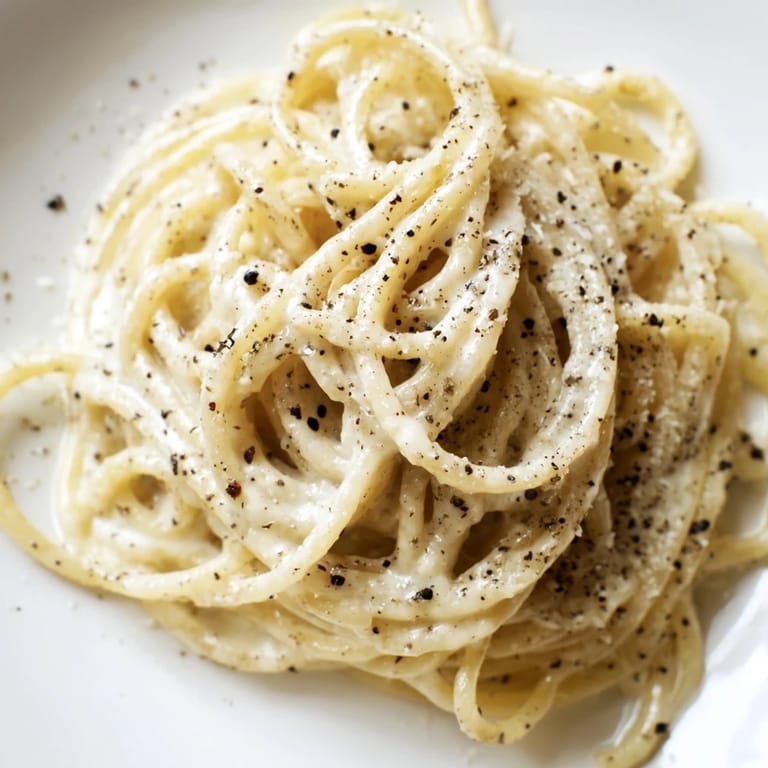
Save My sister came home from Rome bragging about a pasta with only three ingredients that somehow tasted better than anything she'd eaten all year. I didn't believe her until I tried it myself on a Wednesday night when the fridge was nearly empty. The sharp bite of Pecorino mixed with toasted pepper created something that felt both ancient and immediate. I stood at the stove, tossing the pasta like I'd seen in videos, and when the sauce came together it felt like a small miracle. That night, simplicity stopped feeling like a compromise.
I made this for my roommate the night before she moved out, both of us sitting on the kitchen floor with bowls in our laps. We didn't talk much, just twirled our forks and let the pepper hit the back of our throats. She told me later that she tried to recreate it in her new apartment but couldn't get the sauce to come together the same way. I think some dishes carry the memory of the moment as much as the flavor.
Ingredients
- Spaghetti (400 g): The long strands are traditional and give you the perfect surface area to coat with sauce, though I've used bucatini when I'm feeling fancy.
- Pecorino Romano cheese (120 g, finely grated): This is the star, sharp and salty with a slight funkiness that defines the dish, so buy a good wedge and grate it fresh right before cooking.
- Freshly cracked black pepper (2 tsp, plus extra): Toasting it in the pan unlocks a woodsy, almost floral aroma that makes this more than just seasoning.
- Salt: For the pasta water only, since the cheese brings all the salt the sauce needs.
Tired of Takeout? 🥡
Get 10 meals you can make faster than delivery arrives. Seriously.
One email. No spam. Unsubscribe anytime.
Instructions
- Boil the Pasta:
- Bring a large pot of salted water to a rolling boil and cook the spaghetti until it still has a firm bite, just shy of fully cooked. Scoop out a mugful of that starchy, cloudy pasta water before you drain anything, it's the secret to a silky sauce.
- Toast the Pepper:
- While the pasta cooks, add the black pepper to a large dry skillet over low heat and let it sizzle for a minute or two until your kitchen smells warm and spicy. Don't walk away or it'll burn and turn bitter.
- Build the Base:
- Pour about half a cup of the hot pasta water into the skillet with the toasted pepper and let it bubble gently. This creates the foundation that will carry the cheese into a creamy emulsion instead of a clumpy mess.
- Toss the Pasta:
- Add the drained spaghetti directly into the skillet and toss it around so every strand gets coated in that peppery water. The pasta will finish cooking in the sauce and soak up all that flavor.
- Add the Cheese:
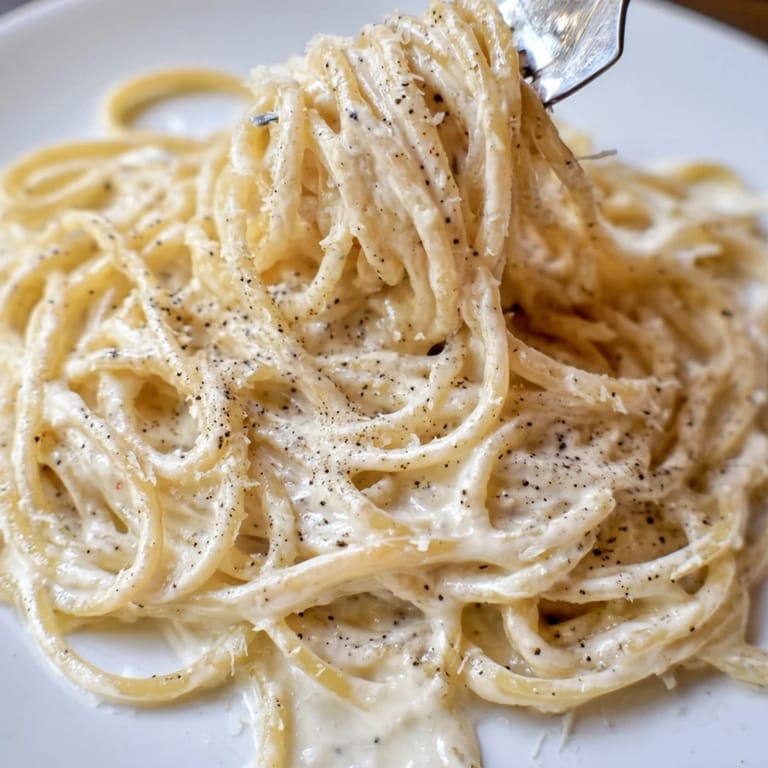
- Turn the heat to the lowest setting and start sprinkling in the grated Pecorino while tossing constantly with tongs, adding splashes of reserved pasta water as you go. The motion and the starch work together to melt the cheese into a glossy, clinging sauce instead of greasy clumps.
- Serve Hot:
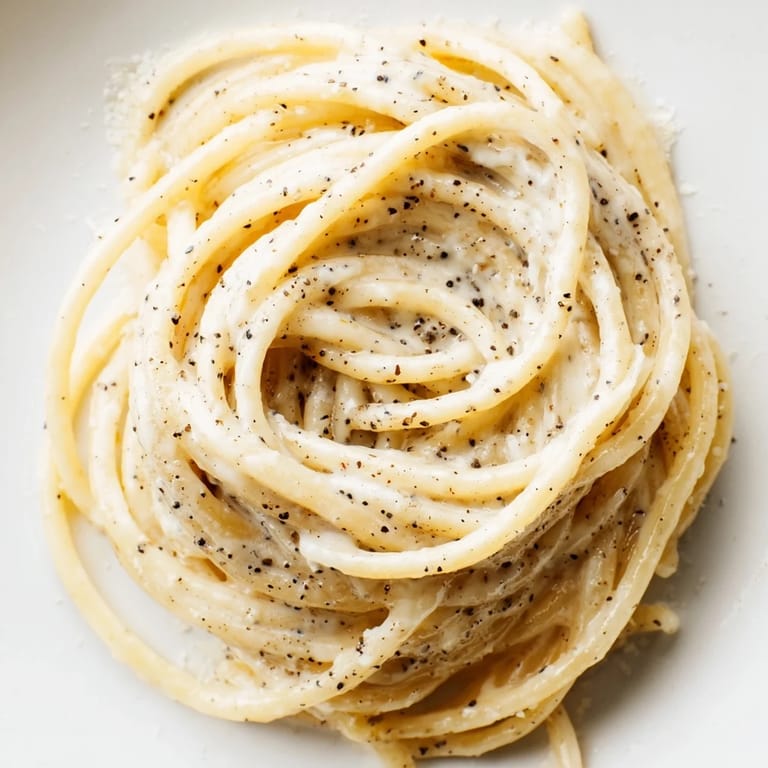
- Plate it immediately, twirling it into nests if you're feeling fancy, and finish with an extra shower of cheese and a few cracks of pepper. This dish waits for no one, so eat it while it's still steaming.
 Save
Save My neighbor knocked on my door once while I was making this, and the smell of toasted pepper had drifted into the hallway. She stood there and said it smelled like her grandmother's kitchen in Lazio, and I realized that some recipes don't just feed you, they unlock entire sense memories for people. I gave her a bowl and she ate it standing at my counter, eyes closed, silent. Food doesn't need to be complicated to matter.
Choosing Your Cheese
Pecorino Romano is traditional and brings that sharp, funky punch that makes Cacio e Pepe unmistakable, but if it's too intense for you, a blend of half Pecorino and half Parmigiano Reggiano softens the edges without losing character. I've also made it with just Parmigiano when that's all I had, and while it's milder and sweeter, it still created a beautiful creamy sauce. The key is always fresh grating, the texture and melt are everything. If you're vegetarian, double-check the label since some Pecorino is made with animal rennet.
Pairing and Serving
This dish is rich and bold despite its simplicity, so I like to serve it with something crisp and acidic to cut through the fat. A chilled Vermentino or Pinot Grigio works beautifully, or even just a big green salad dressed with lemon. I've also put it on the table alongside roasted vegetables or a simple arugula salad with shaved fennel. It doesn't need much because it's already a complete experience on its own, but a little brightness on the side never hurts.
What to Do When Things Go Wrong
If your sauce breaks and looks greasy or clumpy, don't panic, it's happened to me more than once. Pull the pan off the heat, add a few splashes of hot pasta water, and start tossing again like your life depends on it, the starch and agitation can often bring it back together. If the pasta seems dry, keep adding water bit by bit until it loosens into a silky coat.
- Cheese clumping means the pan was too hot, so lower the flame and add water while stirring.
- A dry, tight sauce just needs more reserved pasta water, added gradually while tossing.
- If it tastes flat, you probably need more cheese or another grind of fresh pepper to wake it up.
 Save
Save This is the kind of recipe that rewards you for showing up with just a few good ingredients and a little attention. Once you've made it a few times, it becomes muscle memory, and you'll find yourself turning to it whenever you want something that feels both humble and luxurious at once.
Your Questions Answered
- → Why is my sauce clumpy instead of creamy?
The cheese must be added gradually while tossing constantly and the mixture needs to stay warm. Work quickly and continuously stir to help the cheese melt smoothly. If it starts to clump, add more reserved pasta water a tablespoon at a time while stirring vigorously.
- → Can I use pre-grated Pecorino Romano?
Freshly grated cheese works best as it melts more smoothly and creates a silkier sauce. Pre-grated varieties often contain anti-caking agents that prevent proper emulsification. For optimal results, always grate the cheese just before cooking.
- → What type of black pepper should I use?
Use freshly cracked black pepper for the best flavor and aroma. Crack it coarsely just before use to preserve the peppercorn's essential oils. Toasting it lightly in the skillet before adding the pasta water enhances its peppery depth.
- → How do I achieve the perfect al dente texture?
Follow the package directions but reduce cooking time by one minute. Taste the pasta before draining to ensure it still has a slight firmness in the center. Remember to reserve pasta water before draining—this starchy liquid is crucial for creating the creamy sauce.
- → Can I make this dish ahead of time?
Cacio e Pepe is best served immediately after finishing. The sauce continues to thicken as it cools and can become gummy. Cook everything fresh when ready to serve for the most luxurious, silky texture and authentic experience.
- → What wine pairs well with this dish?
Crisp white wines complement the rich, peppery sauce beautifully. Try Vermentino, Pinot Grigio, or Frascati for traditional Italian pairings. The acidity and lightness of these wines balance the cheese's richness perfectly.