 Save
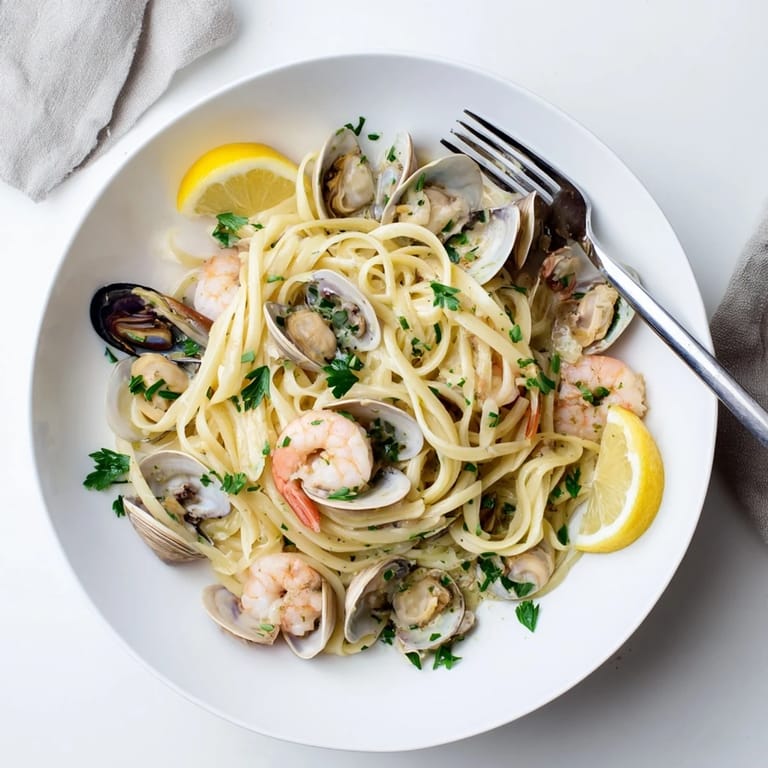
Save The first time I made seafood linguine, the sound of shells clinking against my pan reminded me of waves hitting pebbled shores. I'd bought fresh shellfish from a weathered fishmonger at our local market, his hands rough from decades of handling catches. The kitchen filled with a briny, garlicky aroma that transformed my apartment into a little coastal Italian trattoria—even though we were miles from any ocean. That night began my love affair with this deceptively simple yet luxurious pasta dish.
Last summer, I served this to friends on my tiny balcony with string lights overhead and mismatched chairs pulled tight around a table barely big enough for our plates. Someone brought a bottle of Vermentino that was so perfectly crisp against the richness of the sauce that we all fell silent for a moment after the first bite. Even my friend who claimed not to like seafood was twirling linguine around his fork with abandon, using bread to soak up every last drop of sauce.
Ingredients
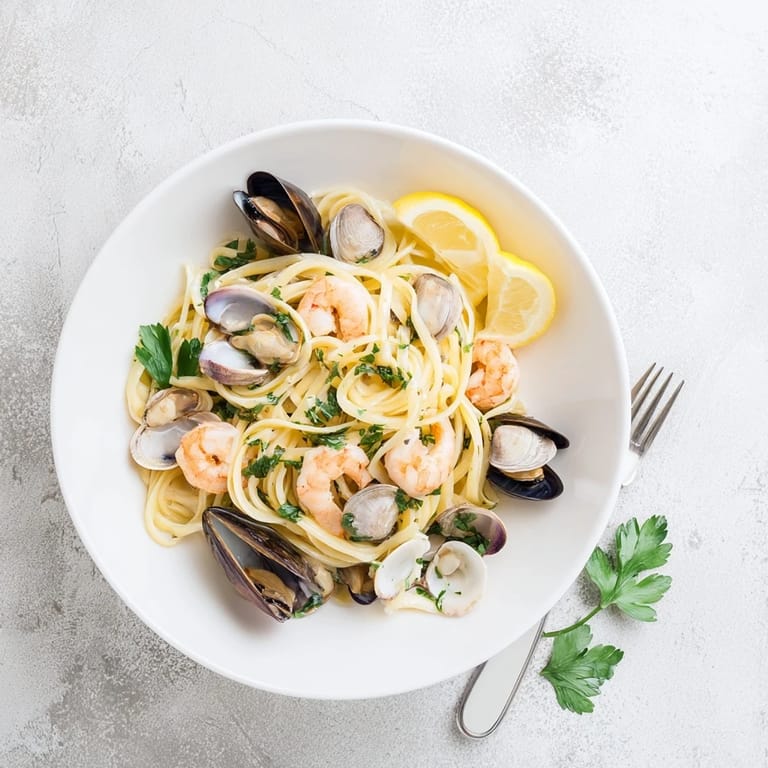
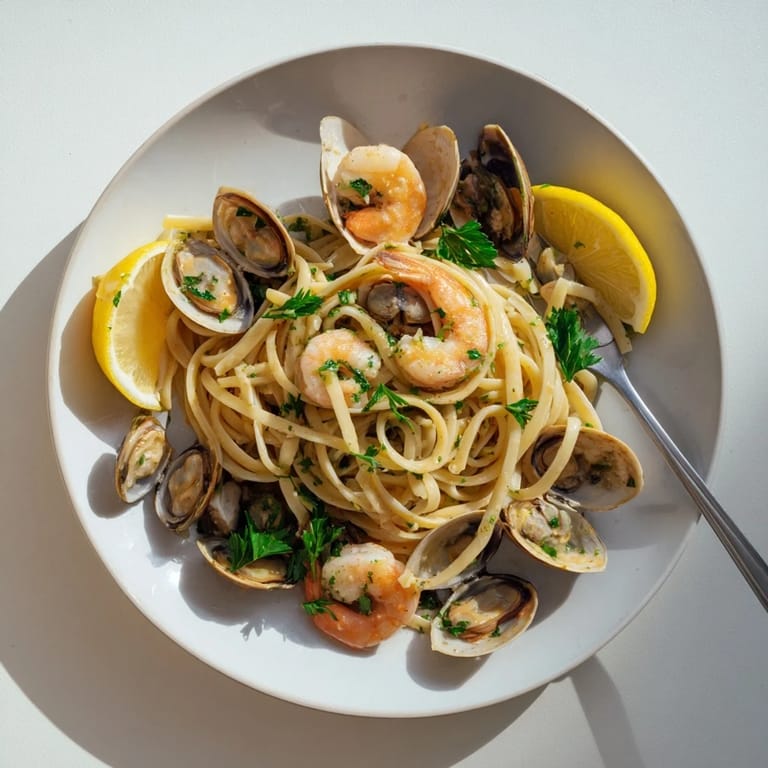
- Mixed Shellfish: The combination of shrimp, clams, and mussels creates a layered seafood experience, each contributing different textures and levels of sweetness to the dish.
- White Wine: I once substituted cooking wine in a pinch and deeply regretted it, so now I only use a dry white wine good enough to drink alongside the meal.
- Garlic and Shallot: Thinly slicing rather than mincing the garlic allows it to gently infuse the oil without becoming bitter or burning too quickly.
- Fish Stock: When I have time, I save shrimp shells in the freezer to make a quick homemade stock that adds incredible depth to the sauce.
- Butter: Added at the end, it creates a silky emulsion with the wine and stock that coats each strand of pasta beautifully.
Tired of Takeout? 🥡
Get 10 meals you can make faster than delivery arrives. Seriously.
One email. No spam. Unsubscribe anytime.
Instructions
- Prepare the pasta:
- Bring a large pot of water to a rolling boil, adding enough salt until it tastes like seawater. Cook linguine until just shy of al dente, as it will finish cooking in the sauce.
- Create the flavor base:
- Watch carefully as the garlic and shallot dance in the olive oil, turning translucent and fragrant. The kitchen should fill with that unmistakable aroma that makes everyone suddenly appear asking when dinner will be ready.
- Cook the seafood in stages:
- Shrimp only need a brief introduction to heat, just until they blush pink before removing them temporarily. Your patience here prevents them from becoming rubbery while the shellfish open.
- The dramatic shellfish moment:
- When you add the clams and mussels to the hot pan, stand back for the sizzle as wine hits the hot surface. Cover immediately to create a steamy environment that gently coaxes the shells open.
- Build the sauce:
- The magic happens when you return the shrimp to the pan and the pasta water meets wine, stock, and the natural juices released from the seafood. This starchy liquid helps create a cohesive sauce that clings to every strand of linguine.
- The final marriage:
- As you toss everything together over low heat, the pasta drinks in the sauce while the seafood nestles between the strands. A gentle hand prevents breaking the delicate shellfish while ensuring even coating.
 Save
Save My partner proposed the night I made this pasta, though he claims the timing was coincidental. He had the ring in his pocket all evening but said watching me deglaze the pan with such confident flourish made him fall in love all over again. Whatever the truth, seafood linguine has become our anniversary tradition, and each year I add a tiny refinement to the recipe while we reminisce about that night, the proposal nearly overshadowed by how delicious dinner was.
Wine Pairing Wisdom
The first time I served this with an oaky Chardonnay, the wine completely overwhelmed the delicate flavors of the seafood. A crisp, mineral-forward Italian white like Pinot Grigio or Vermentino creates harmony instead of competition, their bright acidity cutting through the richness while complementing the briny notes. Something about the combination unlocks flavors in both the wine and the dish that you might miss otherwise.
Selecting Quality Seafood
I learned the hard way that seafood quality makes or breaks this dish when I once used frozen mussels that released so much water they diluted my carefully crafted sauce. Fresh shellfish should smell like the ocean, not fishy, and feel heavy for their size, indicating theyre full of life. Clams and mussels should be tightly closed or close when gently tapped, a sign theyre alive and safe to eat. I always chat with my fishmonger about what came in that morning rather than deciding ahead of time exactly what Ill use.
Make It Your Own
During the years Ive been perfecting this recipe, Ive discovered its actually quite forgiving and adaptable to what you have on hand or what looks best at the market. Some variations Ive loved include adding a handful of cherry tomatoes that burst into the sauce, or stirring in a spoonful of nduja for a spicy, complex undertone that complements the seafood surprisingly well.
- For a richer version, add a splash of cream right before tossing with the pasta, creating a luxurious sauce that still lets the seafood shine.
- Calamari rings or bay scallops make excellent additions or substitutions when you want to change up the seafood mixture while maintaining the spirit of the dish.
- Dont skip the final squeeze of fresh lemon juice just before serving, as the bright acidity balances the richness and brings all the flavors into sharp focus.
 Save
Save This seafood linguine carries memories of seaside vacations and special celebrations, but its equally at home on a weeknight when you want to remind yourself that everyday meals can be extraordinary too. Sometimes the most meaningful way to care for yourself or others is to transform simple ingredients into something that feeds not just the body but also the spirit.
Your Questions Answered
- → How do I know when clams and mussels are done cooking?
Clams and mussels will open their shells when cooked through, typically within 3-4 minutes in simmering liquid. Discard any shells that remain closed after cooking, as they may not be safe to eat. The meat inside should be opaque and tender.
- → Can I prepare this dish ahead of time?
It's best enjoyed immediately after cooking for optimal flavor and texture. However, you can prepare the sauce components beforehand and cook the seafood and pasta just before serving to maintain the delicate quality of the shellfish.
- → What if I can't find fresh clams or mussels?
You can substitute with frozen clams and mussels if fresh aren't available. Thaw them completely before cooking. Alternatively, use additional shrimp, scallops, or calamari to maintain the seafood-forward character of the dish.
- → Why is it important to reserve pasta water?
Pasta water contains starch that helps the sauce cling to the linguine and creates a silky coating. The reserved water allows you to adjust the sauce consistency to your preference, ensuring the pasta is properly coated without becoming too wet.
- → Can I make this gluten-free?
Yes, simply substitute regular linguine with gluten-free pasta using the same cooking method. Check that all other ingredients, particularly the stock and any additional seasonings, are certified gluten-free to accommodate dietary needs.
- → What wine pairs best with this dish?
A crisp, dry white wine like Pinot Grigio or Vermentino complements the seafood beautifully. These wines share similar flavor profiles with the white wine in the sauce and enhance the briny, delicate notes of the shellfish.