 Save
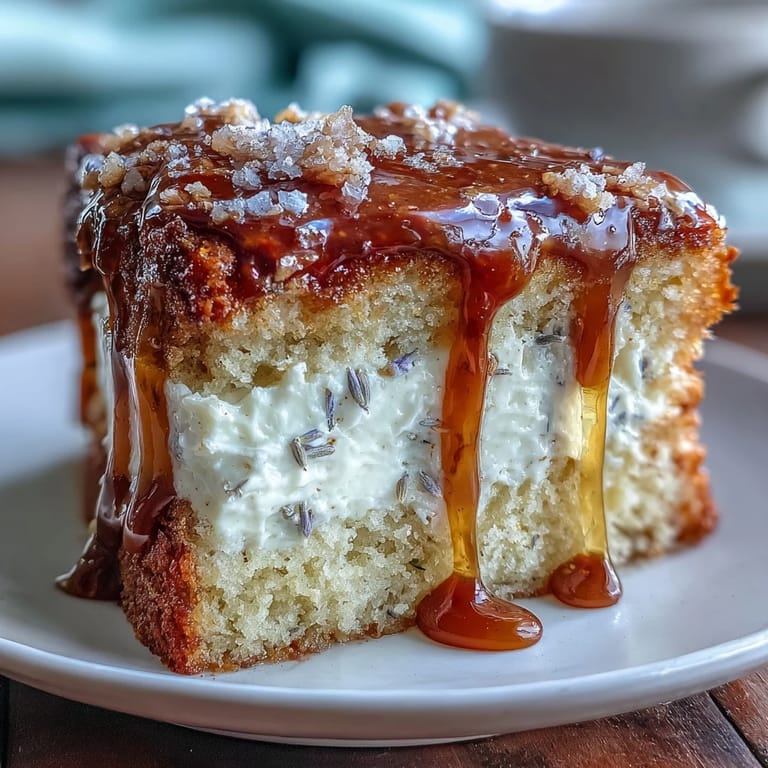
Save My neighbor handed me a jar of her homemade lavender honey last spring with a sheepish grin, admitting she'd made far too much. I stood in my kitchen that afternoon, staring at it and wondering what to do with something so fragrant and precious, when the idea struck: a cake that would honor both the honey's sweetness and the lavender's delicate perfume. The result was this tender, cloud-like cake that somehow tastes like sitting in a sun-dappled garden while sipping tea.
I baked this for my book club's May gathering, and watching four different people close their eyes after the first bite made it clear this cake had become something special. One friend asked for the recipe before she'd even finished her slice, which felt like the highest compliment I could receive.
Ingredients
- All-purpose flour: Use the spoon-and-level method rather than scooping directly from the bag, as it prevents the flour from getting packed and making your cake dense.
- Dried culinary lavender buds: Make sure you're using actual culinary-grade lavender, not the ornamental kind from craft stores which can taste like soap.
- Unsalted butter: Room temperature is non-negotiable here—cold butter won't cream properly and you'll lose the airy texture that makes this cake sing.
- Granulated sugar: The granules will dissolve into the butter, creating that light and fluffy base that carries the lavender flavor throughout.
- Large eggs at room temperature: They incorporate more smoothly and create a better crumb structure than cold eggs straight from the fridge.
- Honey: Both in the cake batter and the drizzle, it adds moisture and a subtle floral sweetness that plays beautifully with the lavender.
- Whole milk at room temperature: This keeps the batter consistent and helps the flour distribute evenly without overworking the dough.
- Flaky sea salt for the drizzle: The larger crystals don't dissolve completely, giving you those gorgeous pops of salt that cut through the sweetness.
Tired of Takeout? 🥡
Get 10 meals you can make faster than delivery arrives. Seriously.
One email. No spam. Unsubscribe anytime.
Instructions
- Prepare your stage:
- Preheat to 350°F and line your 8-inch pan with both greasing and parchment paper—the parchment makes removal foolproof. Have all ingredients measured and at room temperature before you begin, so you're not scrambling mid-mix.
- Build your dry foundation:
- Whisk together flour, baking powder, salt, and lavender buds in a bowl. This distributes the lavender evenly so you don't get surprise pockets of intense flavor in one bite.
- Cream butter and sugar into clouds:
- Beat them together for a full 3 minutes—you want it pale, fluffy, and noticeably lighter in texture. This is where air gets trapped, which will make your cake tender rather than dense.
- Introduce eggs gently:
- Add one egg at a time, beating well after each addition so they fully incorporate. This prevents the batter from looking curdled and helps maintain that airy structure.
- Fold in flavor:
- Stir in the honey and vanilla, mixing just until you don't see streaks anymore. You're building flavor, not overworking gluten.
- Alternate and combine thoughtfully:
- Add dry ingredients in two batches with the milk in between, starting and ending with flour. Mix only until combined—stop as soon as you don't see flour streaks, or the cake will turn tough.
- Bake with patience:
- Pour batter into the pan and smooth the top gently. Bake 28–32 minutes until a toothpick comes out clean—the slight underbaking keeps it moist, while overbaking will make it crumbly.
- Cool strategically:
- Let it rest in the pan for 10 minutes, then turn onto a wire rack to cool completely. This prevents condensation from making the bottom soggy.
- Create the drizzle magic:
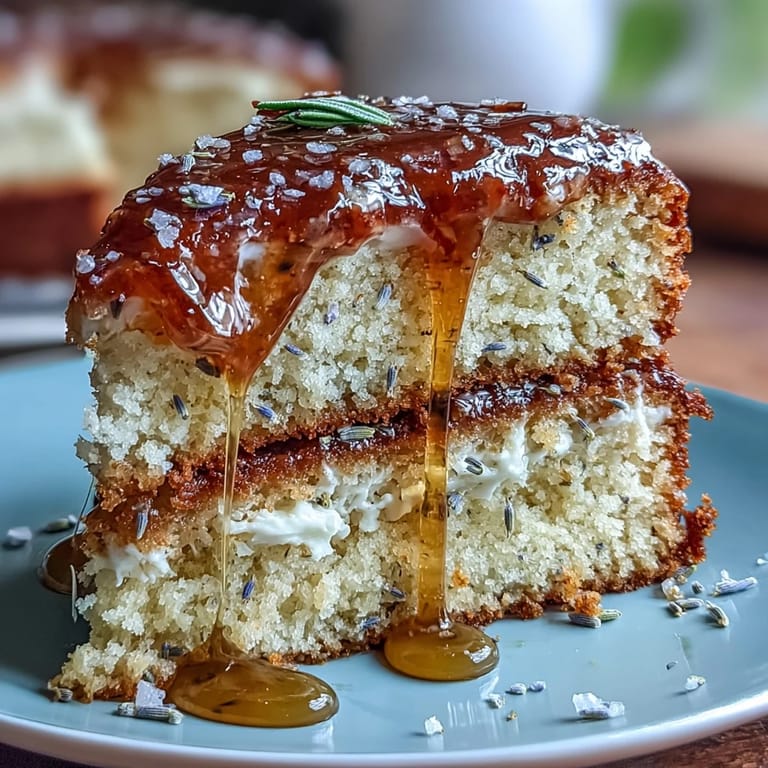
- Warm honey and butter together over low heat, stirring until glossy and smooth. Once you remove it from heat, stir in the flaky sea salt—it will catch the light beautifully on top of the cake.
- Final touch:
- Drizzle the honey mixture over the completely cooled cake and let it set for 10 minutes so it doesn't pool on the plate.
 Save
Save There's something about serving a slice of this cake on a delicate plate with a proper cup of tea that makes an ordinary Tuesday feel like a small celebration. That moment when someone discovers the salted honey drizzle and pauses, realizing that sweetness and salt together create something they didn't know they needed—that's when I know this recipe has done its job.
Choosing Your Lavender Wisely
I learned the hard way that not all dried lavender is created equal. When I grabbed what I thought was culinary lavender from a general baking aisle only to have it taste faintly soapy, I realized I'd used ornamental flower varieties. Now I source my lavender specifically labeled for cooking, usually from specialty spice shops or trusted online retailers where the growers actually know what they're selling.
The Science of Creaming Butter
The pale, fluffy mixture you get from beating softened butter with sugar isn't just about texture—it's about trapping thousands of tiny air bubbles that will expand in the oven and create that tender, delicate crumb. I used to rush this step until a baker friend told me that proper creaming is the difference between a cake that feels like eating a cloud and one that tastes dense and flat. Now I actually set a timer and let the mixer do its work for the full 3 minutes.
Pairing Suggestions & Storage
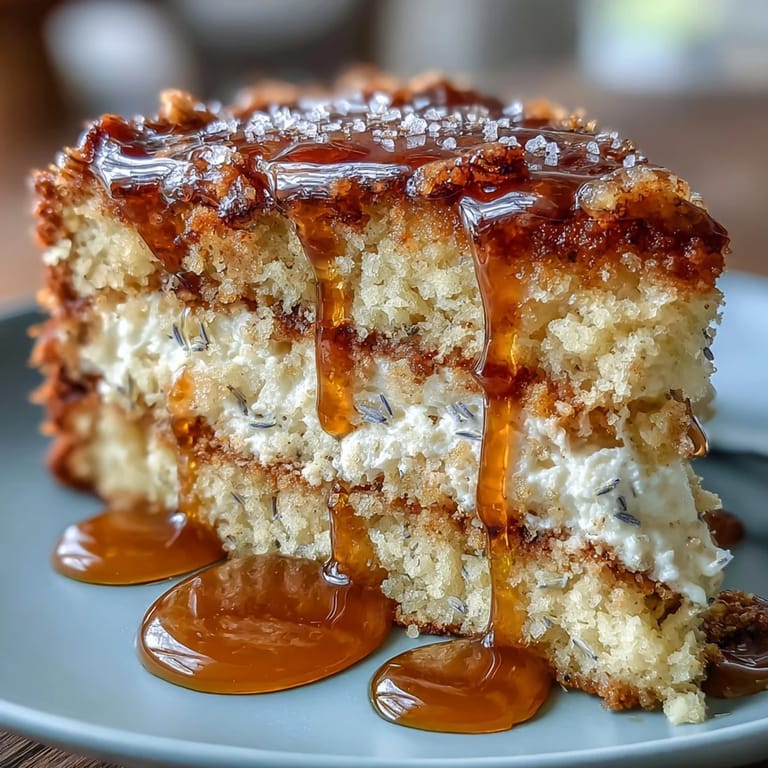
This cake tastes best served the day it's made, while the drizzle is still slightly tacky and the crumb is at its most tender. Wrap any leftovers loosely in plastic and store at room temperature for up to two days, though honestly it rarely lasts that long in my house.
- Serve alongside Earl Grey or English Breakfast tea for a sophisticated afternoon moment.
- A glass of chilled Moscato or light Riesling pairs beautifully if you're making this for dinner guests.
- If you're gifting this cake, include a note about the lavender so no one mistakes it for soap flavoring.
 Save
Save This cake has become my go-to gift for spring celebrations and a quiet way to make an ordinary day feel special. There's comfort in knowing that something so elegant really just requires patience, the right ingredients, and the willingness to let delicate flavors speak for themselves.
Your Questions Answered
- → How can I enhance the lavender flavor?
Gently crush dried lavender buds with a mortar and pestle before adding to release more aroma and flavor.
- → What type of honey works best for the drizzle?
A mild, floral honey best complements the lavender without overpowering it; choose a light-textured variety.
- → Can I substitute whole milk with a dairy-free option?
Yes, unsweetened almond or oat milk can be used to maintain moisture while keeping a similar texture.
- → What size pan should I use for baking?
Use an 8-inch round cake pan, greased and lined with parchment paper to ensure even baking and easy removal.
- → How do I know when the cake is fully baked?
Insert a toothpick into the center; it should come out clean or with a few moist crumbs when the cake is done.
- → Can I prepare the honey drizzle in advance?
It's best to prepare the drizzle fresh and warm before serving to maintain its smooth texture and flavor balance.