 Save
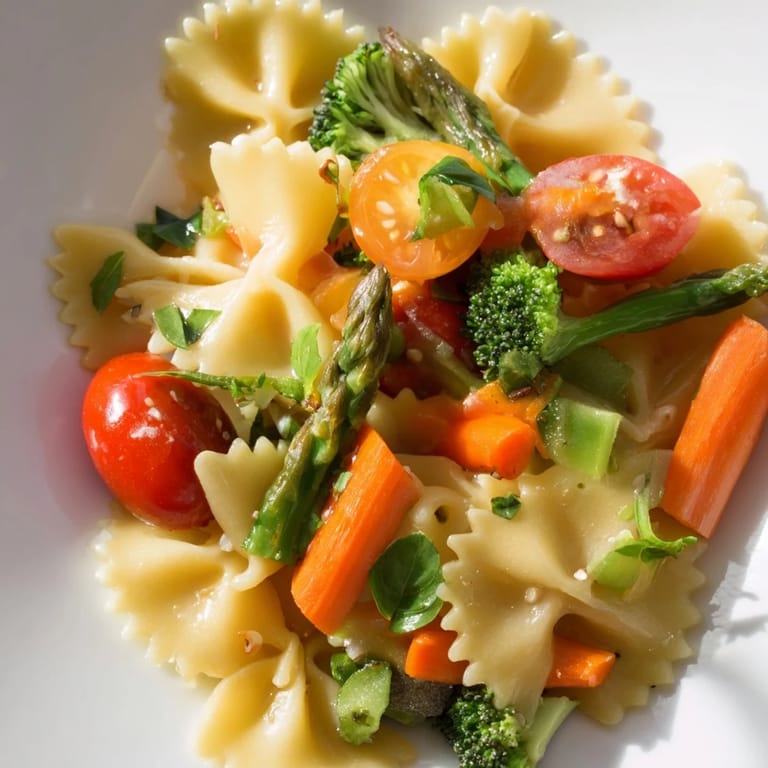
Save The first time I made this rainbow primavera, I had just returned from the farmers market with an overflowing bag of spring vegetables. My kitchen counters were covered in colorful produce, and I realized I should let the vegetables themselves be the star. That afternoon, tossing bow-tie pasta with every hue I could find, taught me that sometimes the simplest preparations let good ingredients shine brightest.
Last spring, my neighbor Sarah came over while I was chopping vegetables for this dish. She watched me arrange the red peppers, yellow squash, and bright green asparagus on the cutting board and laughed, saying it looked like I was preparing a painting rather than dinner. We ate on the back porch as the sun went down, and she kept remarking how she never thought vegetables could taste this good. Now she makes it every Sunday for meal prep.
Ingredients
- 340 g (12 oz) bow-tie pasta: The farfalle shape catches all those little vegetable pieces and sauce in every bite
- 1 cup cherry tomatoes halved: They burst slightly when tossed with hot pasta creating little pockets of sweetness
- 1 cup asparagus cut into 1-inch pieces: Spring asparagus has the best flavor, look for tight buds
- 1 cup red bell pepper thinly sliced: Red peppers add sweetness and that gorgeous pop of color
- 1 cup yellow squash sliced into half-moons: Yellow squash stays tender but holds its shape beautifully
- 1 cup broccoli florets: Blanch them first if you prefer them softer
- 1 cup carrots julienned: Thin ribbons cook quickly and add satisfying crunch
- 1/2 cup red onion thinly sliced: Red onion has a milder bite than white or yellow
- 1/2 cup frozen peas: Frozen peas are actually sweeter and more consistent than fresh
- 3 tbsp extra-virgin olive oil: Use the good stuff here, it really matters
- 3 cloves garlic minced: Fresh garlic, never jarred, makes all the difference
- 1/2 tsp crushed red pepper flakes: Just a whisper of heat to wake up all the flavors
- 1/2 tsp sea salt: Start with less, you can always add more
- 1/4 tsp freshly ground black pepper: Grind it fresh right before using
- Zest of 1 lemon: The zest carries the essential oils that give you bright lemon flavor
- 2 tbsp fresh lemon juice: Acidity cuts through the olive oil and makes vegetables sing
- 1/4 cup grated Parmesan cheese: Optional, but a little umami never hurt anyone
- 2 tbsp chopped fresh basil: Add it at the end so it stays bright and fresh
- 2 tbsp chopped fresh parsley: Italian parsley has more flavor than the curly variety
Tired of Takeout? 🥡
Get 10 meals you can make faster than delivery arrives. Seriously.
One email. No spam. Unsubscribe anytime.
Instructions
- Get your pasta water going:
- Bring a large pot of generously salted water to boil, think seasalt levels, then cook your farfalle until it still has a little bite in the center
- Reserve that liquid gold:
- Before draining, scoop out 1/2 cup of the starchy cooking water, this will become your sauce thickener later
- Start your aromatic base:
- While pasta works, heat 2 tablespoons olive oil in your largest skillet over medium heat and add garlic and red pepper flakes, let them sizzle for just 60 seconds until fragrant but not brown
- Add the hard vegetables first:
- Throw in carrots, broccoli, and asparagus, give them 3 to 4 minutes to start softening
- Layer in the remaining vegetables:
- Add red onion, bell pepper, yellow squash with a pinch of salt, cook another 3 to 4 minutes until everything is tender-crisp and still bright colored
- Add the delicate ones last:
- Stir in cherry tomatoes and frozen peas, just 2 minutes to warm through
- Bring it all together:
- Add drained pasta to the skillet with remaining olive oil, lemon zest, and juice, toss everything like you mean it, adding pasta water as needed until glossy
- Season and finish:
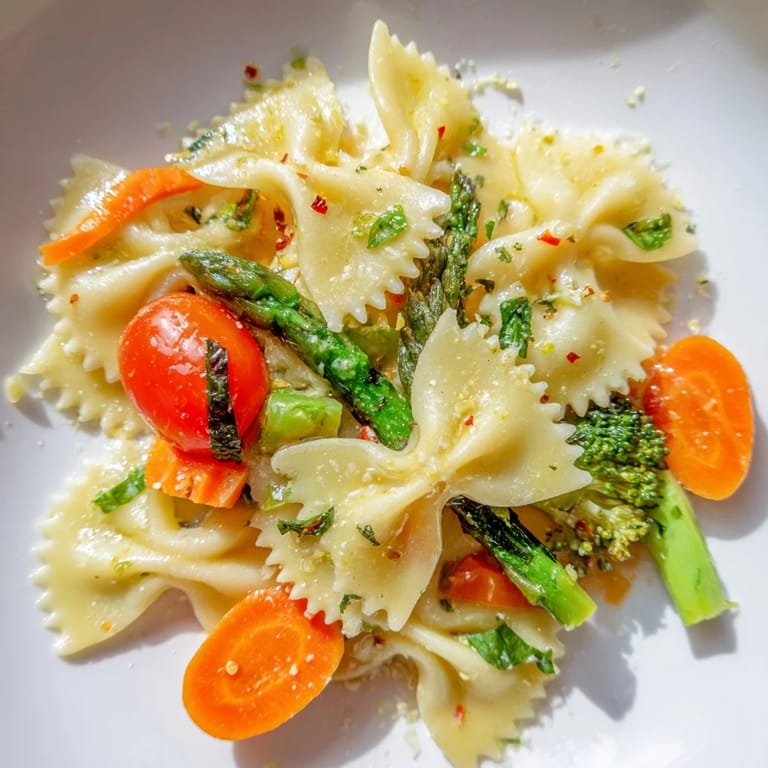
- Taste and adjust salt and pepper, remove from heat, toss with Parmesan, basil, and parsley
 Save
Save This pasta has become my go-to for potlucks because it holds up well at room temperature and people always ask for the recipe. Last summer, my sister took one bite and said it tasted like sunshine on a plate. High praise from someone who usually claims she doesnt like vegetables.
Choosing Your Vegetables
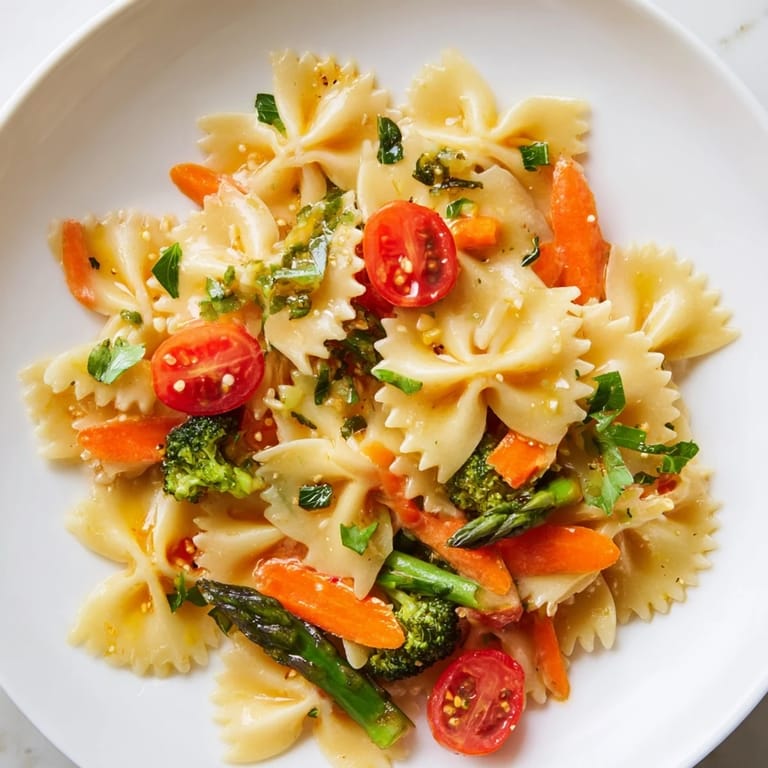
Ive learned that the key to this dish is cutting everything to roughly the same size so it cooks evenly. Sometimes I spend extra time making my vegetables look particularly beautiful because we eat with our eyes first. The rainbow effect isnt just for show, each color brings different nutrients to the table.
Making It Your Own
This recipe happily accommodates whatever vegetables look best at the market. In summer I add zucchini blossoms or fresh corn. Fall brings Brussels sprouts and butternut squash. The garlic and lemon foundation works with almost anything you throw at it.
Perfecting the Technique
The secret restaurant chefs know is adding the pasta to the vegetables, not the other way around. This technique, called mantecare, creates a beautiful emulsified sauce that coats every piece. I also use tongs instead of a wooden spoon for tossing, it feels more professional and distributes everything more evenly.
- Warm your serving bowl first so the pasta stays hot longer
- Taste a piece of each vegetable before serving to ensure proper seasoning
- Add a final drizzle of olive oil right before serving for extra shine
 Save
Save There is something deeply satisfying about sitting down to a bowl of food that looks as good as it tastes. This pasta reminds me that simple ingredients, treated with respect and attention, can become something extraordinary.
Your Questions Answered
- → Can I prepare this dish ahead of time?
While best served fresh, you can prep all vegetables in advance and store them in the refrigerator. Cook the pasta and vegetables just before serving to maintain their vibrant color and texture. Cold leftovers can be enjoyed the next day as a pasta salad.
- → What vegetables work best for this dish?
Choose vegetables that cook quickly and maintain bright colors: asparagus, bell peppers, broccoli, carrots, snap peas, zucchini, yellow squash, and cherry tomatoes. Mix and match based on seasonal availability and your preferences.
- → How do I keep the vegetables from overcooking?
Slice vegetables into uniform, bite-sized pieces and add them to the skillet in stages based on cooking time. Harder vegetables like carrots and broccoli go in first, while delicate ones like tomatoes and peas are added last. This ensures everything finishes at the same time, staying tender-crisp.
- → Can this be made gluten-free or vegan?
Yes! Use certified gluten-free pasta as a one-to-one substitute. For vegan, omit the Parmesan cheese or use a plant-based alternative, keeping all other ingredients the same. The dish is naturally dairy-free without the cheese.
- → What should I pair with this pasta dish?
This light, fresh pasta pairs beautifully with crisp white wines like Sauvignon Blanc or Pinot Grigio. For non-alcoholic options, serve with sparkling water with lemon or a fresh herbal iced tea to complement the bright flavors.
- → How can I add protein to this dish?
Toss in grilled chicken breast, sautéed shrimp, or white fish for extra protein. Alternatively, add chickpeas or white beans for a vegetarian protein boost. Simply warm the protein separately and combine with the finished pasta.