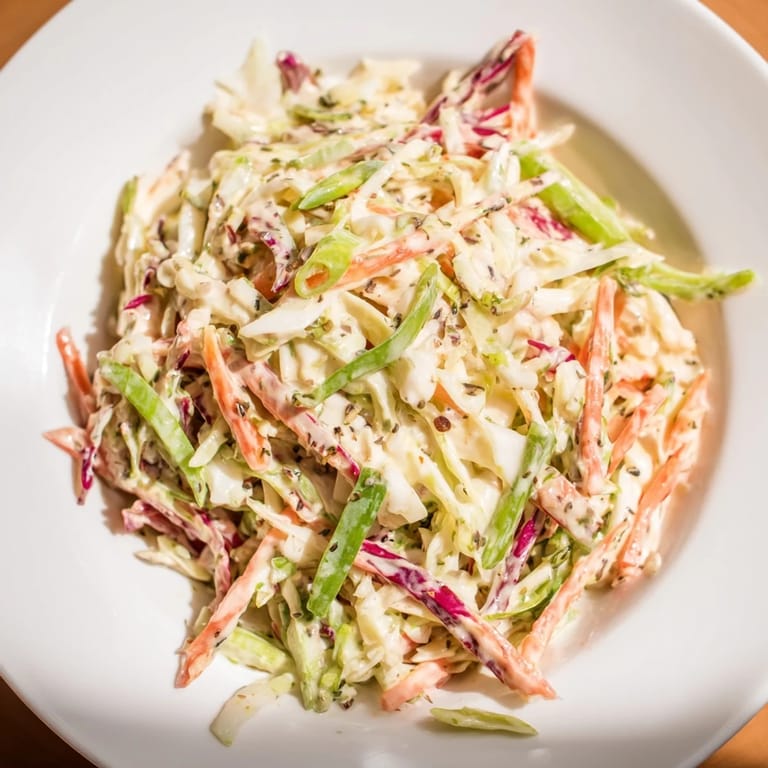
 Save
Save I learned to make coleslaw on a humid July afternoon when my neighbor challenged me to bring something besides store-bought sides to a block party. Standing in her kitchen with cabbage everywhere, I realized the secret wasn't fancy—it was understanding how a simple dressing could make something so ordinary feel completely alive on the plate. That first batch, tossed together without a recipe, taught me that the best slaws aren't about perfection; they're about balance and timing.
I remember my cousin's barbecue when she served this alongside pulled pork and people kept coming back for more, not realizing how simple it was. Someone asked if she'd made it that morning, and she just smiled—because she'd mixed it up twenty minutes before guests arrived. That moment made me understand that sometimes the easiest dishes are the ones people remember most.
Ingredients
- Green cabbage: Use about 4 cups shredded—this is your backbone, mild and crisp, holding everything together without overpowering.
- Red cabbage: A cup brings color and a slightly earthier note that makes the whole slaw feel more intentional.
- Carrots: Grated thin, they add natural sweetness and visual warmth; shred them just before mixing so they stay fresh.
- Green onions: Slice these thinly at the last moment—they add a gentle sharpness that keeps the slaw from feeling flat.
- Mayonnaise: Half a cup creates the creamy base; don't skimp here, as it's what makes this different from vinegar-based coleslaws.
- Sour cream or Greek yogurt: Two tablespoons lighten the mayo and add tang, keeping things tasting bright rather than heavy.
- Apple cider vinegar: One tablespoon is the secret whisper that ties everything together without making it taste vinegary.
- Dijon mustard: A tablespoon gives subtle depth and helps emulsify the dressing so it coats evenly.
- Sugar: Just two teaspoons balance the vinegar's sharpness with a hint of sweetness that feels natural.
- Celery seed: Optional, but if you have it, it adds an old-fashioned comfort that people notice without quite knowing why.
- Salt and pepper: Essential for bringing every element into focus—taste as you go.
Tired of Takeout? 🥡
Get 10 meals you can make faster than delivery arrives. Seriously.
One email. No spam. Unsubscribe anytime.
Instructions
- Gather and prep your vegetables:
- Shred the cabbage finely—not paper-thin, but thin enough that it'll absorb the dressing without falling apart. Toss it all together in your largest bowl so you have room to work.
- Build the dressing:
- In a separate bowl, whisk the mayo, sour cream, vinegar, and mustard until it's smooth and cohesive, then season with sugar, celery seed, salt, and pepper. The dressing should taste balanced—slightly tangy, slightly sweet, with depth underneath.
- Bring it together:
- Pour the dressing over your vegetables and toss with confidence, making sure every strand of cabbage gets coated. The slaw will look generous and creamy now, which is exactly right.
- Taste and rest:
- Add more salt, pepper, or vinegar if something feels off. Refrigerate for at least thirty minutes if you have time—this lets flavors settle and the cabbage soften slightly, though it's also delicious right away.
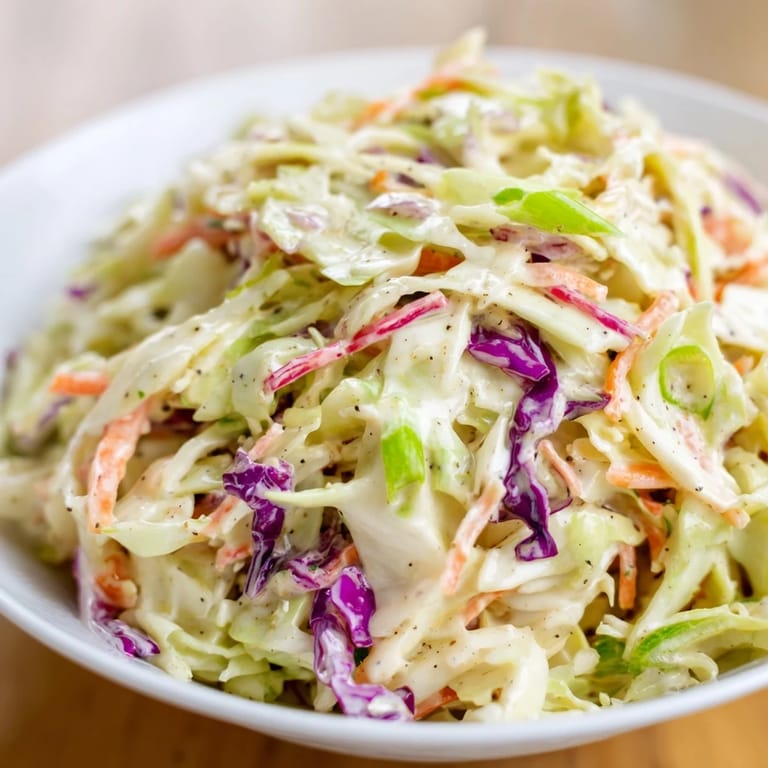 Save
Save There's something almost meditative about the moment when the dressing first hits the vegetables and you toss it all together, watching every piece transform into something glossy and alive. It stopped being just cabbage and became something worth fighting over at the table.
The Magic of Timing
Coleslaw improves with a little patience. When you make it fresh, the vegetables are crisp but the flavors are still finding their way. Give it time in the refrigerator and something magical happens—the dressing softens the cabbage just enough while the vegetables season the dressing back, creating this perfect middle ground. I used to serve it immediately, but now I always make it ahead, even if just by thirty minutes.
Flexibility in the Bowl
This slaw is genuinely forgiving and actually improves when you make it your own. I've added crisp apple, a handful of raisins, fresh dill, or even some toasted sunflower seeds depending on what I had on hand or what I was serving it alongside. The base is solid enough that it welcomes additions without losing its identity, which means you can build something different every time based on what's in your kitchen or what you're feeding people.
Lighter and Longer
If you're looking to cut back, swap the mayo for a mix of Greek yogurt and a little olive oil, or use equal parts mayo and yogurt. The slaw won't be quite as rich, but it'll still feel luxurious and will taste fresher. Some people make this with a vinegar-based dressing entirely, but if you do, know that you're making something different—more like a slaw salad that won't hold quite as well.
- For extra color and nutrition, don't skip the red cabbage no matter how much green you have.
- Make this recipe the day before a big gathering and you'll have one less thing to think about when guests arrive.
- If your slaw sits longer than a day, the vegetables soften significantly—still delicious, just different in texture.
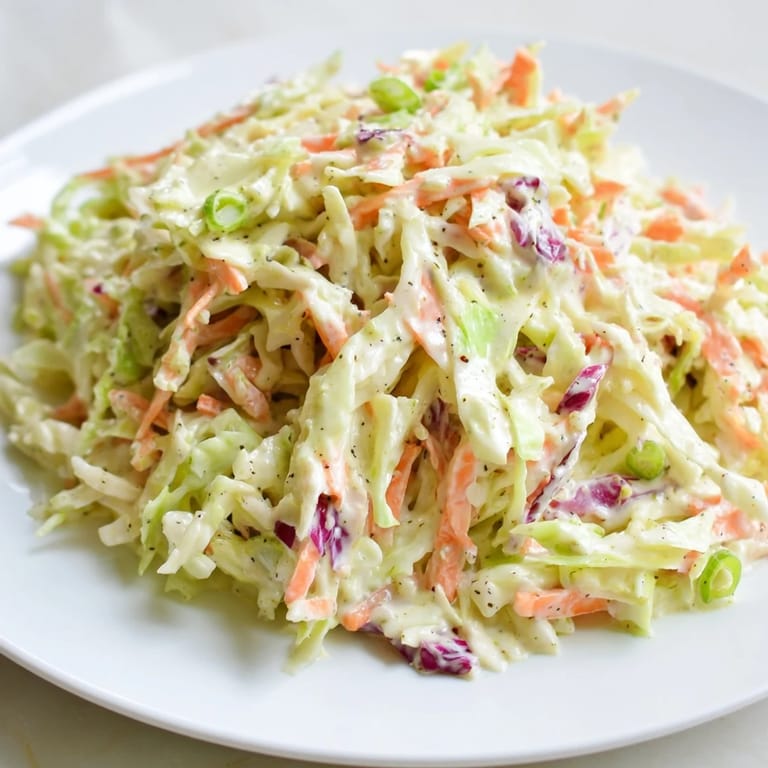 Save
Save This slaw has become my answer to almost everything—it sits equally happy next to a burger, a sandwich, a taco, or grilled fish. It's one of those dishes that whispers rather than shouts, letting everything around it taste a little better.
Your Questions Answered
- → Can I make the dressing lighter?
Yes, substituting low-fat mayonnaise and Greek yogurt reduces fat while keeping the creamy texture.
- → How long should the slaw be chilled?
Chilling for at least 30 minutes helps flavors meld, but it can be served right after mixing.
- → Are there good substitutes for mayonnaise?
Plain Greek yogurt or sour cream can be used to maintain creaminess with tang.
- → Can I add extra ingredients for flavor?
Adding chopped parsley, dill, grated apple, or raisins introduces fresh and sweet notes.
- → What dishes pair well with this slaw?
This slaw complements grilled meats, sandwiches, and tacos by adding a crunchy, tangy contrast.
- → Is celery seed necessary in the dressing?
Celery seed is optional but adds a subtle aromatic depth to the dressing.