 Save
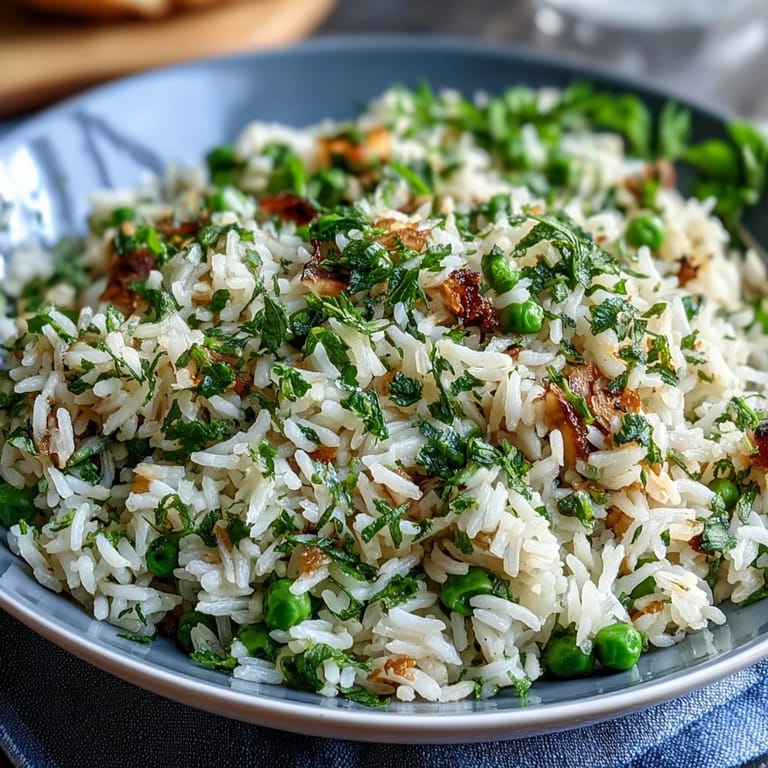
Save There's something about the way mint smells when you crush it between your fingers that just announces spring has arrived. My neighbor brought over a handful of fresh mint from her garden last April, and I stood in my kitchen wondering what to do with it besides tea. That's when I remembered rice pilaf, but wanted something lighter, brighter, something that wouldn't feel heavy next to the ham we were planning for dinner. This pilaf became that dish, and now it's the first thing people ask me to bring when the weather turns warm.
I made this for a Sunday dinner when my sister was visiting, and she asked for the recipe before she even finished eating. What surprised me was how it stayed good even after sitting for a while, the flavors somehow deepening instead of fading. Now it's become my go-to side when I'm not sure what to serve, and it's never let me down.
Ingredients
- Long-grain white rice: Basmati or jasmine work beautifully because they stay separate and don't clump, unlike short-grain varieties that get sticky.
- Low-sodium vegetable broth: The broth is where the pilaf gets its flavor, so don't use the salty stuff or you'll oversalt the whole thing.
- Fresh or frozen spring peas: Frozen peas work just as well as fresh ones and sometimes better because they're picked at peak ripeness.
- Unsalted butter: This lets you control the salt level, which matters more than you'd think in a simple dish like this.
- Fresh mint leaves: Don't use dried mint here; fresh is the whole point and dried tastes like hay in comparison.
- Lemon zest: This is what lifts the whole dish and makes people wonder what your secret is.
Tired of Takeout? 🥡
Get 10 meals you can make faster than delivery arrives. Seriously.
One email. No spam. Unsubscribe anytime.
Instructions
- Rinse your rice:
- Run it under cold water in a fine strainer, stirring gently with your fingers until the water runs completely clear. This removes the starch that would otherwise make everything gummy.
- Build your flavor base:
- Melt butter in a medium saucepan and cook the onion slowly until it turns translucent, then add garlic for just 30 seconds. You want the pan smelling incredible right now, like you know what you're doing.
- Toast the rice:
- Stir the rinsed rice into the buttery onions and garlic, moving it around for a minute or two until each grain gets coated. This step matters more than people realize; it keeps the rice from getting mushy.
- Add your liquid:
- Pour in the broth, sprinkle in your salt and pepper, and bring it all to a boil. Once it boils, reduce the heat to low, cover it completely, and let it sit undisturbed for 15 minutes.
- Add the peas:
- Stir in your peas (straight from the freezer is fine, no thawing needed) and cover again for 5 more minutes. The frozen peas will thaw in the residual heat and add brightness without overcooking.
- Let it rest:
- Remove from heat and let everything sit covered for 5 minutes, which redistributes the moisture and makes the rice fluffier. This small pause makes a real difference.
- Finish with freshness:
- Fluff everything with a fork, then fold in the chopped mint, parsley if you're using it, and lemon zest. The final step is where the magic happens.
 Save
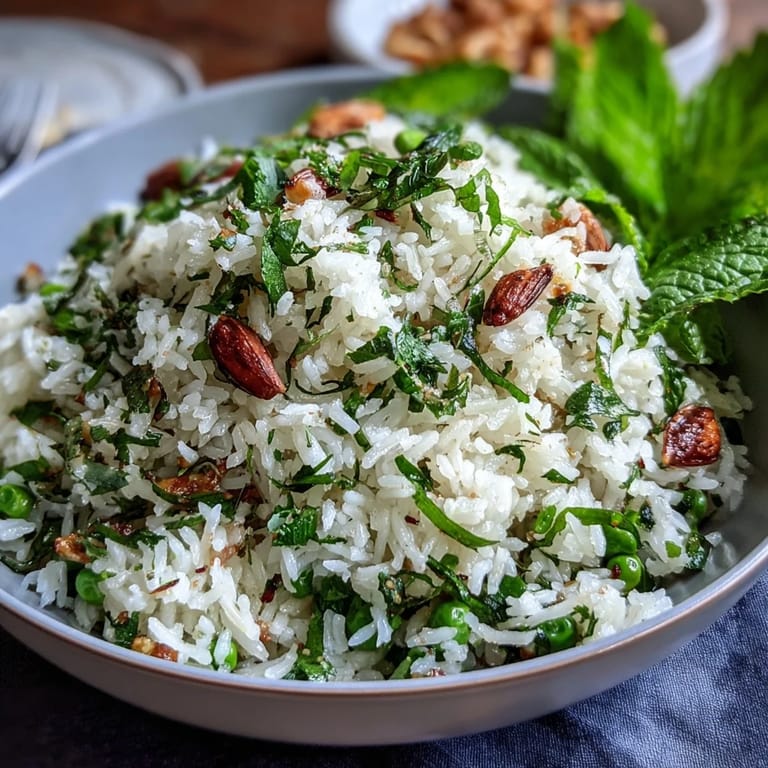
Save My mom tasted this pilaf and said it reminded her of spring in a bowl, which is the nicest thing anyone's ever said about something I made. That's when I realized it's not just a side dish; it's the taste of a season, something that makes people pause and actually notice what they're eating.
Why This Works as a Side Dish
The lightness is key here. Heavy starches weigh down a meal, but this pilaf feels like it's adding flavor without adding weight. The mint and lemon keep it bright and forward-tasting, so it doesn't get lost next to ham or any main protein. It's substantial enough to feel like something real, but delicate enough that people can eat more without feeling full.
Playing With Flavors
Once you master the basic technique, you can swap things around without losing the spirit of the dish. Scallions instead of fresh parsley give it an oniony sharpness, dill works if you want something more herbal and quiet, and a pinch of lemon pepper instead of black pepper adds complexity. I've even tried a tiny bit of white wine in place of some broth when I was feeling ambitious, and it added a subtle depth that lingered.
Storage and Reheating Tips
This pilaf actually stays good for a couple of days in the refrigerator, which is something I've relied on when I'm meal prepping or expecting guests. To reheat it gently without drying things out, warm it in a covered saucepan over low heat with a splash of broth or water, stirring occasionally until it's warm through. You can also refresh it by fluffing it with a fork and leaving it at room temperature for a while, which sometimes brings back that fresh feeling better than reheating does.
- Store it in an airtight container and it keeps for up to three days without losing much flavor.
- If it dries out during storage, a tablespoon of broth or water per cup of pilaf brings it back to life.
- Always taste it before serving to adjust the lemon zest or mint, since flavors can fade a bit over time.
 Save
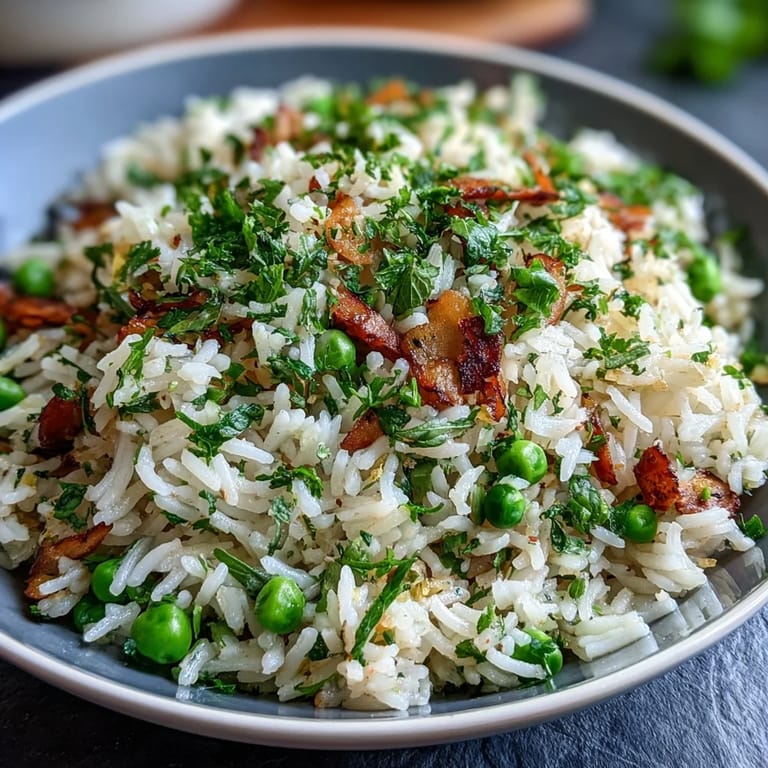
Save This pilaf has become the dish I make when I want to feel like spring is on my plate, no matter what the calendar says. It's proof that simple ingredients, cooked with attention and finished with freshness, are really all you need.
Your Questions Answered
- → Can I use frozen peas in this dish?
Yes, frozen peas can be added directly without thawing. They cook gently during the final simmer, preserving their sweetness and texture.
- → What type of rice works best here?
Long-grain varieties like basmati or jasmine provide fluffy, separate grains ideal for pilaf texture.
- → How should I store leftovers?
Cool completely and keep in an airtight container in the refrigerator for up to 3 days. Reheat gently with a splash of broth.
- → Can I make this dish vegan?
Yes, substitute unsalted butter with plant-based butter or olive oil for a vegan-friendly version.
- → What herbs complement the flavors best?
Fresh mint and parsley provide a bright, herbal note that complements the peas and lemon zest wonderfully.