 Save
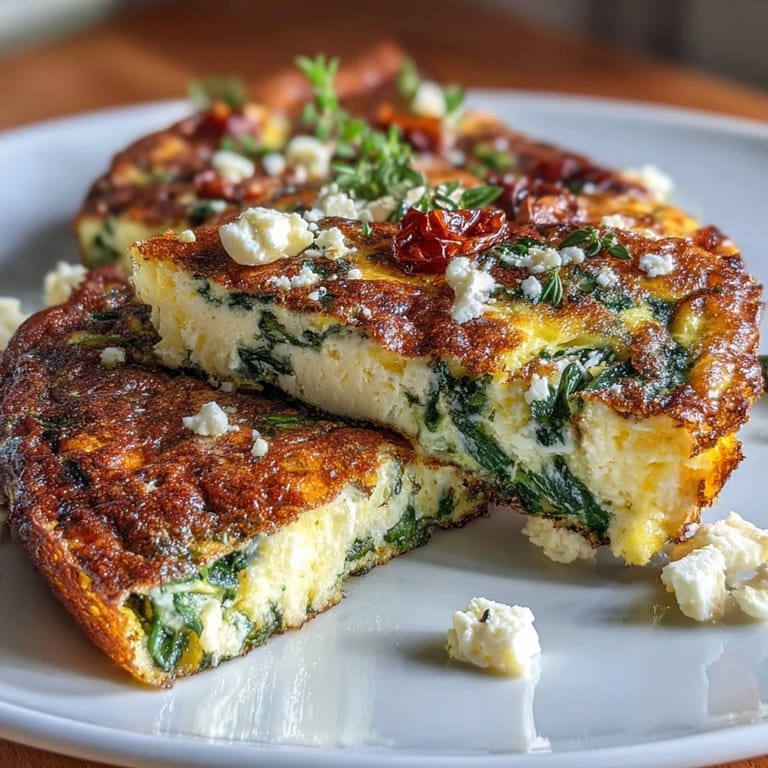
Save There's something about the sizzle of eggs hitting a hot skillet that makes Sunday morning feel less like an obligation and more like a small celebration. My neighbor Maria showed up one spring with a handful of sun-dried tomatoes from her pantry and suggested we stop making the same scrambled eggs every weekend. That one afternoon led to this frittata, and honestly, it's been our go-to ever since—minimal fuss, maximum flavor, and somehow it makes everyone at the table feel like they're eating something special.
I made this for my book club one Tuesday evening, nervous because I'd never hosted before. I pulled it from the oven golden and slightly puffed, and the moment everyone took their first bite, the conversation just stopped for a second—the kind of silence that means you've nailed something. One guest asked for the recipe before dessert even came out, and I realized it wasn't about complexity; it was about how the sweet tang of sun-dried tomatoes plays against the salty bite of feta in a way that feels both humble and restaurant-quality.
Ingredients
- Fresh baby spinach (2 cups): Tender leaves wilt down to almost nothing, so don't be shy with the amount; that bulk cooks down to a whisper of earthiness that anchors the whole dish.
- Sun-dried tomatoes (1/2 cup, julienned): The oil-packed ones are already tender, so drain them well and slice them thin so they distribute their jammy sweetness evenly throughout.
- Yellow onion (1 small, finely chopped): Cooking it first in olive oil mellows its bite and builds a flavor foundation that makes everything else taste better.
- Garlic (1 clove, minced): Just enough to whisper in the background without overpowering; a full clove would turn aggressive once it's trapped in that egg.
- Large eggs (6): Room temperature eggs beat more easily and create a fluffier, more tender crumb once baked.
- Whole milk (1/4 cup): This small amount keeps the frittata from turning dense or rubbery; cream would make it heavy.
- Feta cheese (1/2 cup, crumbled): The tanginess is the secret weapon here—it brightens everything and keeps the dish from tasting one-note.
- Parmesan cheese (1/4 cup, grated): A sharp counterpoint to the feta that adds subtle nuttiness and helps the top turn golden.
- Dried oregano (1/2 tsp): Mediterranean herbs echo the sun-dried tomato flavor and tie the whole thing together.
- Black pepper and salt (1/4 tsp each): Taste as you go because the cheeses already bring salt to the party; you're balancing, not drowning.
- Olive oil (2 tbsp): Good quality makes a difference here since it's tasted raw in the finished dish, not cooked into obscurity.
Tired of Takeout? 🥡
Get 10 meals you can make faster than delivery arrives. Seriously.
One email. No spam. Unsubscribe anytime.
Instructions
- Heat your oven and get the skillet ready:
- Turn the oven to 375°F and let it come all the way up; a fully preheated oven means the top and bottom cook evenly instead of the edges overcooking while the center stays jiggly.
- Sauté the onion until it's soft and sweet:
- Pour 2 tablespoons of olive oil into your ovenproof skillet over medium heat, then add the finely chopped onion. Let it sit for 3 to 4 minutes, stirring occasionally, until the edges turn translucent and it smells almost caramel-like.
- Add garlic and toast it briefly:
- Once the onion is tender, stir in the minced garlic and let it cook for just 1 minute; any longer and it'll turn bitter and catch on the hot pan.
- Wilt the spinach and fold in the sun-dried tomatoes:
- Dump in your chopped spinach and let it soften down, about 2 minutes of gentle stirring, then add the sun-dried tomatoes and give everything one more stir. You're looking for the spinach to go dark and glossy, not brown.
- Whisk your egg mixture:
- In a separate bowl, crack your eggs and whisk them together with the milk, oregano, salt, and pepper until the yolks and whites are completely blended. Fold in the crumbled feta and grated Parmesan so the cheese is scattered throughout, not clumped in corners.
- Pour the eggs over the vegetables and cook on the stovetop:
- Pour your egg mixture evenly over everything in the skillet, then stir once or twice gently so the eggs and vegetables mingle. Let it cook on the stovetop for 2 to 3 minutes; you're waiting for the edges to set and pull away slightly from the pan sides, but the center should still jiggle when you shake the skillet.
- Transfer to the oven and let it finish:
- Slide the skillet into the preheated oven and bake for 10 to 12 minutes, until the center is just set—it should barely giggle when you nudge it, and the top should be turning pale golden. If you bake it longer, it tightens up and tastes rubbery, so don't walk away without setting a timer.
- Rest and serve:
- Let it cool for a couple of minutes so you don't burn your mouth, then slice it like a pie and plate it warm or at room temperature.
 Save
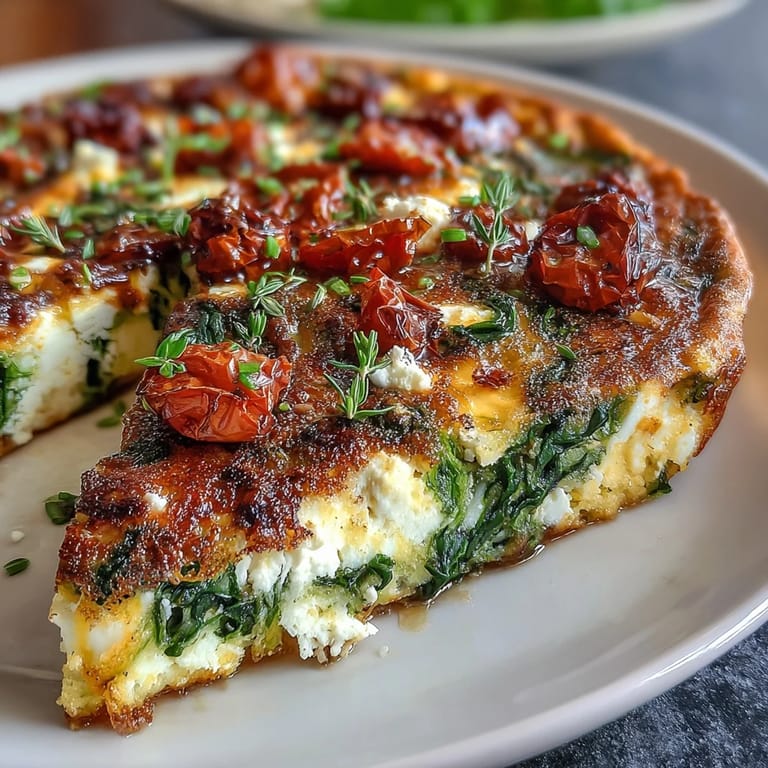
Save My daughter took a slice of leftover frittata to school for lunch and came home raving about how her friend wanted her mom's secret recipe. The next week, her friend brought in a frittata of her own, and suddenly the whole class was trading versions like trading cards. It was then I realized this dish had become more than breakfast—it was how we were all connecting.
Why Room Temperature Eggs Matter
Cold eggs straight from the fridge resist whisking and create a lumpy mixture that bakes unevenly. I learned this the hard way the first time I made this, beating eggs for five minutes and wondering why my whisk kept skipping across the surface. Now I pull them out while I'm chopping vegetables, and they reach room temperature just in time. The difference is subtle but real—a slightly creamier, more tender final texture that tastes less eggy and more luxurious.
The Secret Power of Feta
Feta is assertive enough to announce itself without taking over the whole plate. It's briny where Parmesan is nutty, and that contrast keeps your palate interested through every bite. The moisture in feta also adds a slight creaminess to the frittata without needing heavy cream, which is why I'll never go back to making this with just one cheese. If you're nervous about feta's reputation for being intense, remember that cooking softens its edges and distributes its flavor so it's more conversation than shout.
Making It Your Own
Once you understand how a frittata works, you're free to improvise endlessly. I've made versions with roasted red peppers and goat cheese, with mushrooms and herbs, with leftover roasted vegetables—the formula stays the same, the flavors change. The only rule I follow is balance: if your add-ins are watery (like tomatoes or zucchini), salt them first and let them drain; if they're heavily flavored (like sun-dried items or olives), use less of them so they don't overwhelm.
- Substitute the sun-dried tomatoes with fresh cherry tomatoes halved, roasted bell peppers, or crumbled sun-dried cranberries for a different flavor story.
- Frozen spinach works beautifully as long as you squeeze out all the moisture before adding it to the skillet.
- Add fresh herbs like dill, basil, or parsley right at the end of cooking so they stay bright and don't turn muddy.
 Save
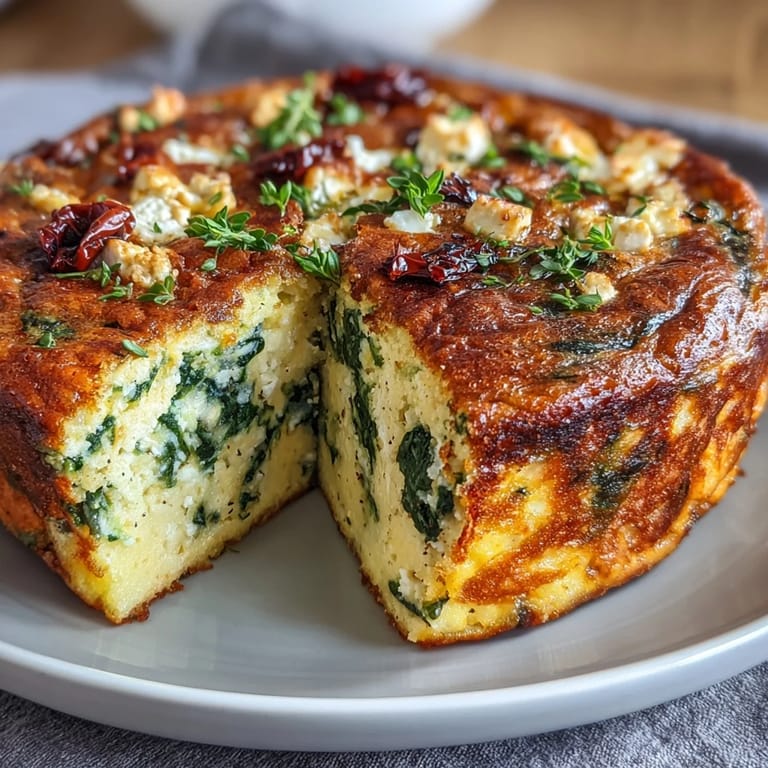
Save This frittata has become the thing I make when I want to feel like I'm taking care of people without spending the whole day in the kitchen. It's elegant enough for company, simple enough for a quiet weeknight, and it tastes just as good tomorrow as it does today.
Your Questions Answered
- → Can I use frozen spinach instead of fresh?
Yes, thawed and well-drained frozen spinach works well as a substitute for fresh spinach without altering the dish’s texture.
- → Is it possible to make this dairy-free?
Absolutely. You can swap traditional feta and Parmesan for plant-based alternatives to keep it dairy-free.
- → What’s the best way to cook the vegetables before baking?
Sauté onion and garlic until soft, then cook chopped spinach until wilted, and finally add sun-dried tomatoes to develop flavor before combining with the egg mixture.
- → How do I know when the frittata is done baking?
It’s ready when the center is just set and the top takes on a slight golden color, usually after 10–12 minutes at 375°F.
- → What pairings complement this dish well?
This dish pairs nicely with a crisp green salad, crusty bread, or a chilled Sauvignon Blanc for balanced flavors.