 Save
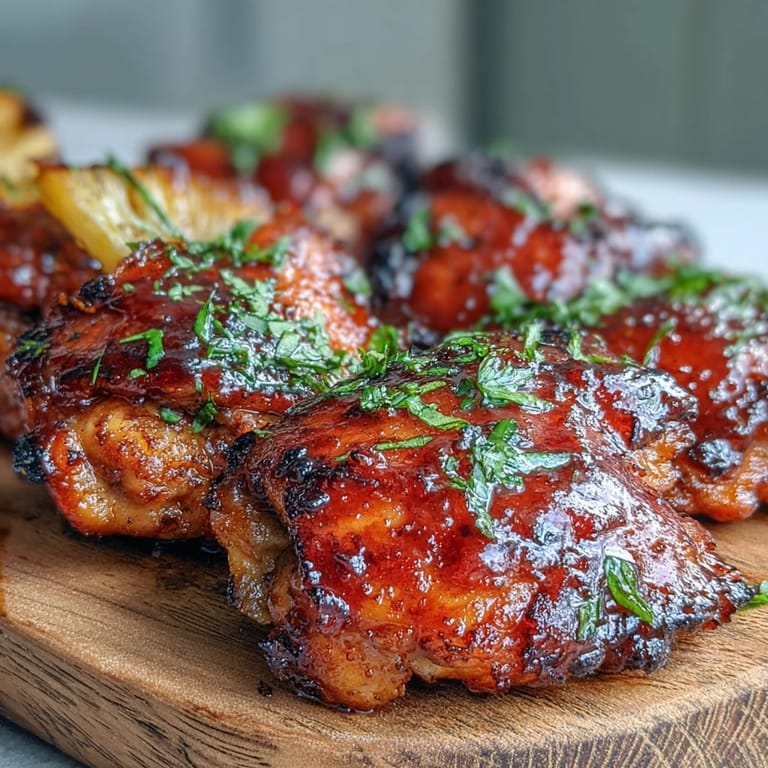
Save There's something about the smell of guava that stops you mid-thought. I discovered this sauce entirely by accident, standing in a Caribbean market with a friend who grabbed a tin of guava paste and said, 'Trust me.' That single ingredient sparked something between traditional barbecue and tropical brightness, and somehow ended up transforming ordinary chicken thighs into something I couldn't stop making. The first time I glazed chicken with it, the kitchen filled with this caramelized sweetness mixed with vinegar tang, and I realized I'd stumbled onto something special.
I made this for a dinner party last summer when everyone was tired of the same old grilled chicken, and watching my neighbor take that first bite—the way their eyes went a little wide—that's when I knew this recipe was a keeper. The tropical twist caught everyone off guard in the best way, and suddenly we were all talking about flavors instead of just going through the motions of dinner.
Ingredients
- Guava paste: This is your star player, and yes, it matters that you use paste instead of jelly because you need that concentrated flavor and texture to build a real sauce.
- Apple cider vinegar: It cuts through the sweetness and keeps the sauce from tasting like dessert—trust the acid.
- Ketchup: Your flavor anchor that makes this feel like barbecue sauce at all, not just tropical fruit spread.
- Brown sugar: A light hand here goes a long way; this isn't candy, it's depth.
- Worcestershire sauce: One of those ingredients that seems unnecessary until it's missing, then you feel the difference immediately.
- Dijon mustard: Brings a subtle tang and helps the sauce stick to the chicken as it roasts.
- Smoked paprika: Even though guava brings tropical vibes, this keeps one foot firmly planted in barbecue territory.
- Garlic, salt, and cayenne: These three are your seasoning backbone—don't skip them or rush them.
- Bone-in, skin-on chicken thighs: They're forgiving, flavorful, and the skin renders beautifully under the glaze instead of getting soggy like breasts sometimes do.
- Olive oil: Just enough to help the seasoning cling and the skin crisp up in the oven.
Tired of Takeout? 🥡
Get 10 meals you can make faster than delivery arrives. Seriously.
One email. No spam. Unsubscribe anytime.
Instructions
- Build your sauce foundation:
- Toss everything except the water into a saucepan over medium heat and let the guava paste soften as you stir—it'll look chunky at first, then suddenly it'll smooth out like magic. Simmer for about 5 to 7 minutes until you see it thicken slightly and the raw garlic smell mellows into something rounder.
- Prepare the chicken like you mean it:
- Pat those thighs completely dry with paper towels because moisture is the enemy of crispy skin. Rub them down with oil and seasonings, making sure to get into all the crevices where skin meets meat.
- Get them golden first:
- Arrange them skin-side up on your baking sheet and roast at 400°F for 25 minutes—you're not glaze hunting yet, just building a foundation of rendered fat and browned skin. When you pull them out, they should look pale golden, not fully cooked.
- The glaze moment:
- Brush that beautiful sauce all over, getting into every nook, then back into the oven for another 20 to 25 minutes. Brush again halfway through so the sauce can layer and caramelize instead of just drying on.
- Check for doneness without guessing:
- A meat thermometer inserted into the thickest part should read 165°F—this removes all doubt and keeps you from slicing into a thigh at the table.
- The rest matters more than you think:
- Let those thighs sit for 5 minutes before serving so the juices redistribute and the glaze sets up just enough to not slide right off onto the plate.
 Save
Save There was this moment during testing when I nailed the timing and watched the glaze bubble and brown around the edges, the smell hitting me like a memory of somewhere tropical I'd never actually been. That's when this dish stopped being just dinner and became something that transported people, and I think that's the real magic of it.
Why the Sauce Matters More Than You'd Think
The guava barbecue sauce is where this whole dish lives or dies, and I spent way too much time getting it right to let you skip ahead. This isn't about dumping ingredients together; it's about understanding that guava brings sweetness and body, vinegar brings brightness, and Worcestershire brings umami that makes people not quite know what they're tasting. I've seen the same ingredients made two different ways produce completely different results just because one person simmered longer and let flavors meld while another rushed it.
Timing Everything So Nothing Overcooks
The reason those first 25 minutes exist without sauce is pure chemistry—you need the chicken skin to render and firm up, otherwise the sauce just sits on top like a slick instead of becoming part of the bird. I learned this the hard way by glazing too early and ending up with a soggy exterior and a sauce that separated instead of caramelized. Once you understand that timing, you're not following steps anymore, you're thinking like a cook.
Serving Suggestions and What Actually Works
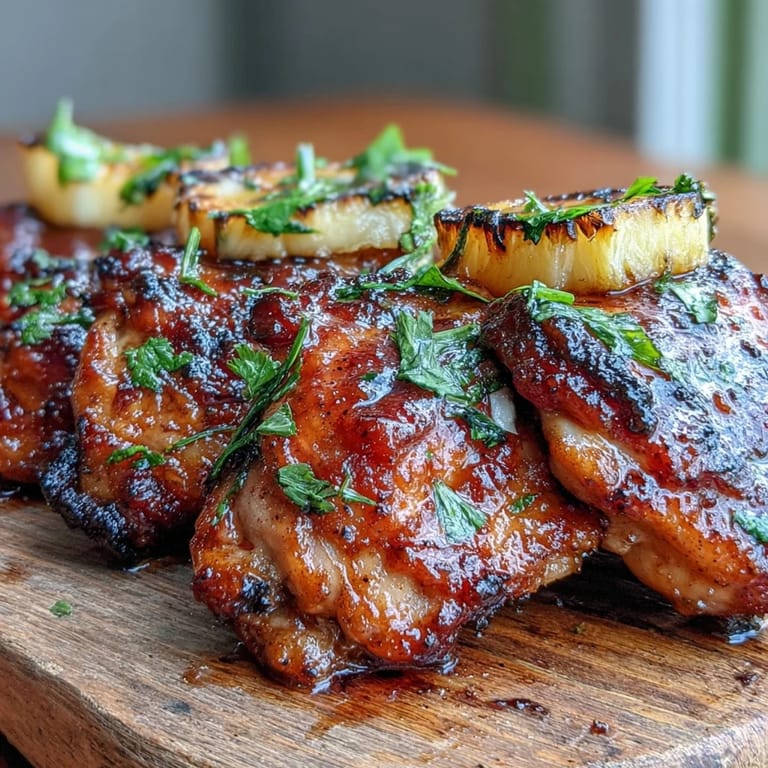
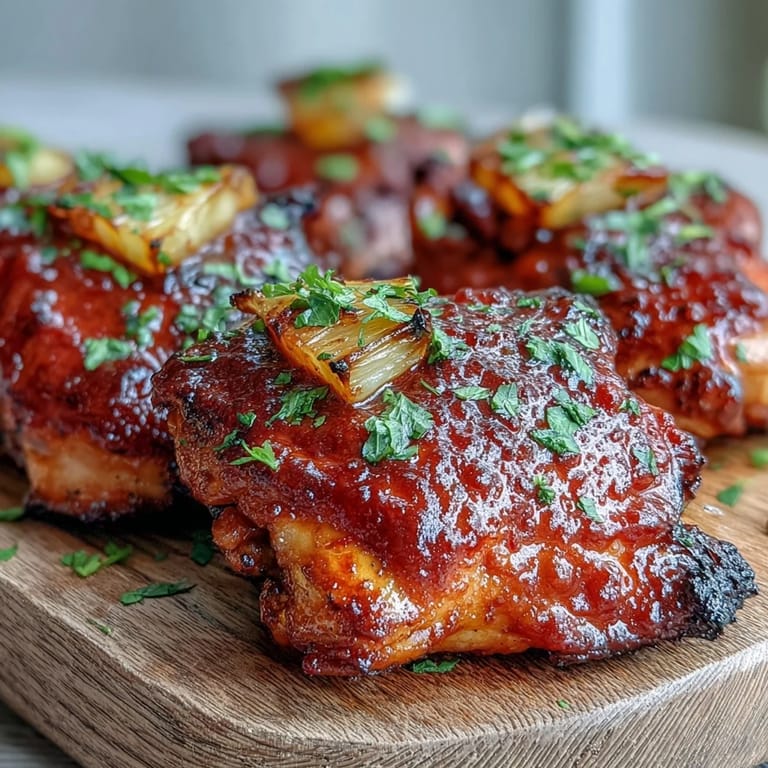
Grilled pineapple alongside this chicken feels like showing off, but it's genuinely the move because the tropical flavors talk to each other instead of fighting. White rice catches the extra sauce and becomes part of the story, or you could go roasted vegetables if you want something with texture. I've found that people tend to pour the leftover sauce right onto their plates, so make extra and don't be shy about it.
- Serve with charred pineapple spears if you have a grill or even a cast iron skillet going.
- Make sure you have good bread or rice to soak up that sauce because it's too good to waste.
- The sauce keeps refrigerated for about a week, so you can make it days ahead and just focus on the chicken when it's time to cook.
 Save
Save This is the kind of recipe that lives in the rotation because it delivers something feel-good and special without asking too much of you. Once you make it once, it becomes the thing people ask for when they come over.
Your Questions Answered
- → Can I use guava jelly instead of paste?
Yes, guava jelly works as a substitute for guava paste. Simply reduce the brown sugar slightly in the sauce to balance the sweetness since jelly typically contains more sugar than paste.
- → How do I know when the chicken is done?
Use a meat thermometer to check the internal temperature. The chicken is fully cooked when it reaches 165°F (74°C) at the thickest part of the thigh, away from the bone.
- → Can I make the guava BBQ sauce ahead of time?
Absolutely. The sauce can be prepared up to 1 week in advance and stored in an airtight container in the refrigerator. Reheat gently before brushing onto the chicken.
- → What sides pair well with this dish?
Grilled pineapple complements the tropical flavors beautifully. Rice, roasted vegetables, or a simple green salad also work well to balance the sweet and tangy glaze.
- → How can I get more caramelization on the glaze?
For extra char and caramelization, broil the chicken for 2-3 minutes after the final glazing step. Watch closely to prevent burning, as the sugar in the sauce can brown quickly.
- → Is this dish gluten-free?
Yes, as long as you use gluten-free Worcestershire sauce. Traditional Worcestershire may contain anchovies or barley, so check the label carefully if avoiding gluten.