 Save
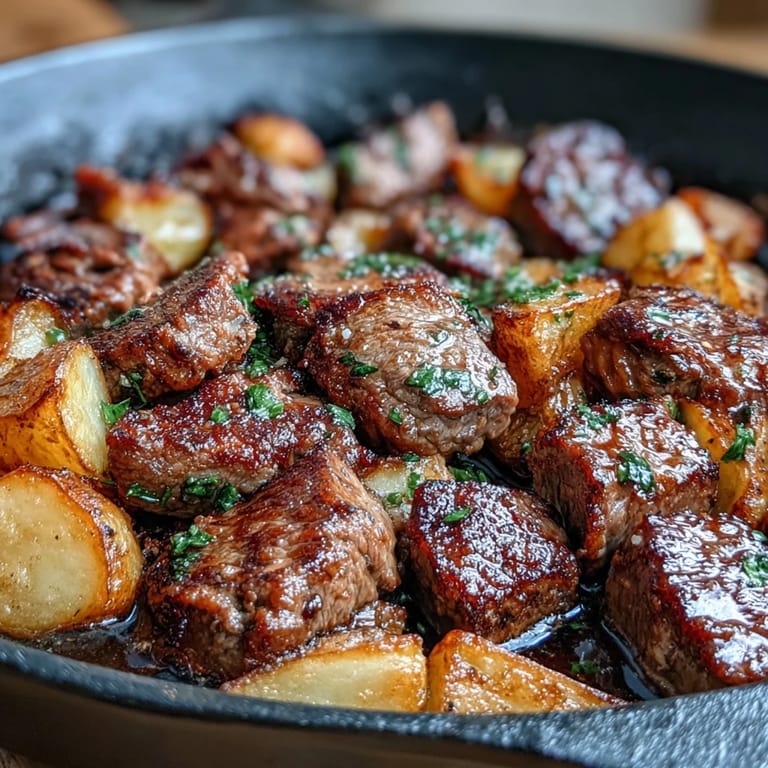
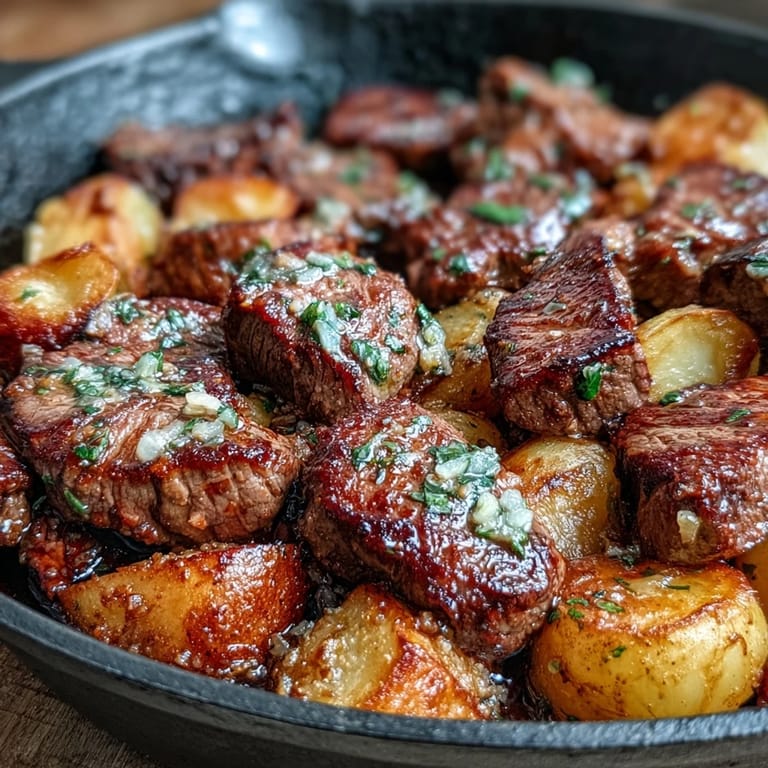
Save There's something about the sound of steak hitting a hot skillet that just stops you mid-conversation. A few years back, I was craving that deep, savory comfort of pot roast but didn't have three hours to babysit the oven, so I threw together sirloin cubes and baby potatoes in a cast iron pan instead. Twenty-five minutes later, the kitchen smelled like a steakhouse, and honestly, this skillet version became the weeknight dinner I reach for when I want to feel like I've actually cooked something.
I made this for a friend who'd just moved into a new place, and we ate it straight from the skillet standing at her half-unpacked kitchen counter. She looked at me genuinely shocked that something tasting this good took less time than a Netflix episode, and I realized right then that this recipe had become my secret weapon for making people think I'm a better cook than I actually am.
Ingredients
- Sirloin steak, cut into 1-inch cubes (1½ lbs): Sirloin is forgiving and affordable, cooking through quickly without getting tough if you nail the timing—skip the premium cuts here and save your money.
- Olive oil (3 tbsp total): Divided between the steak marinade and potato cooking, it's your vehicle for even browning and flavor distribution.
- Salt and black pepper: Don't skimp or measure too carefully with these; taste as you go since everyone's preferences differ slightly.
- Smoked paprika (½ tsp): This small amount adds a whisper of smokiness that makes people ask what spice you used.
- Baby Yukon gold potatoes, quartered (1½ lbs): Yukon golds have a natural buttery quality and waxy texture that keeps them from falling apart during cooking—regular russets will shatter into pieces.
- Dried thyme (½ tsp): Thyme's earthiness pairs perfectly with butter and garlic, grounding the dish so it doesn't feel too rich.
- Unsalted butter (4 tbsp): Unsalted gives you control over the final salt level and lets the garlic shine without competing flavors.
- Fresh garlic, minced (6 cloves): Fresh is non-negotiable here—it blooms in the hot butter and becomes the soul of the sauce, while jarred garlic tastes almost metallic by comparison.
- Fresh rosemary, finely chopped (1 tbsp): The needle-like texture of fresh rosemary releases oils when chopped, creating tiny flavor bombs throughout the dish.
- Fresh parsley, chopped (1 tbsp plus garnish): Parsley brightens everything at the end and looks purposeful scattered on top, even though it's mostly decorative.
- Crushed red pepper flakes (½ tsp, optional): Include them if you like heat; skip them entirely if spice makes you nervous—the dish is perfect either way.
- Lemon juice (½ lemon): The acid cuts through the richness and wakes up all the other flavors, turning a good dish into a memorable one.
Tired of Takeout? 🥡
Get 10 meals you can make faster than delivery arrives. Seriously.
One email. No spam. Unsubscribe anytime.
Instructions
- Season and rest the steak:
- Toss your steak cubes with olive oil, salt, pepper, and smoked paprika in a bowl, then let them sit while you prep potatoes—this 5-minute pause lets the seasoning actually cling to the meat instead of just sliding off.
- Crisp the potatoes until golden:
- Heat oil in a large skillet over medium-high heat, add potatoes with salt, thyme, and pepper, then cook stirring occasionally for 15 to 18 minutes until the edges turn crispy and a fork slides through the center easily. The golden-brown crust is where all the flavor lives, so don't rush this step or keep stirring constantly.
- Sear the steak in batches:
- Bump the heat to high, add the marinated steak in a single layer, and leave it alone for 2 to 3 minutes per side—moving it around means it steams instead of browning. Work in batches if your skillet feels crowded, since crowding releases moisture and ruins the sear.
- Build the garlic butter sauce:
- Lower heat to medium, add butter to the same skillet, and once it's foaming, stir in garlic, rosemary, parsley, and red pepper flakes, letting it all bloom until fragrant—this takes only about 1 minute, and you'll smell it immediately when it's ready.
- Bring everything home:
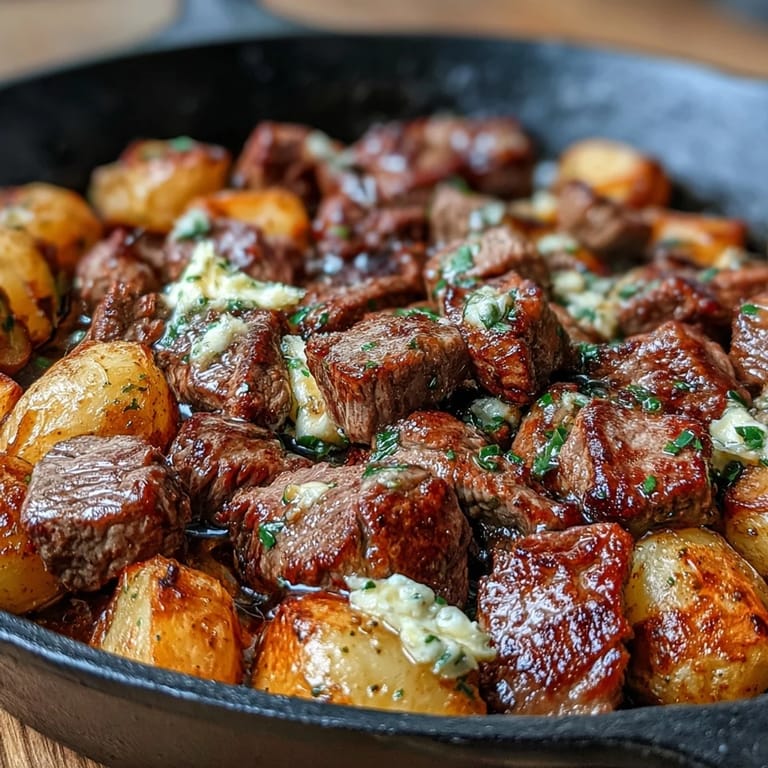
- Return potatoes and steak to the skillet, toss everything to coat in that golden garlic butter, squeeze lemon juice over top, and taste for salt—this final adjustment matters more than you'd think.
- Finish and serve:
- Scatter fresh parsley over the whole thing and bring the skillet straight to the table if you're feeling casual, or plate it up if you're trying to impress.
 Save
Save The best part of making this dish repeatedly is watching people's faces when they realize there's no flour to thicken anything, no cream, no heavy ingredients—just butter and time doing exactly what they're supposed to do. This skillet has somehow become the meal I make when I want to feel like myself again after a long week.
Why Cast Iron Changes Everything
A cast iron skillet holds heat so evenly that your potatoes brown uniformly and your steak develops an actual crust instead of just cooking through. If you don't own one, a heavy stainless steel pan works fine, but cast iron genuinely makes this dish easier to execute because the temperature stays steady and forgiving.
Building Flavor Through Temperature Control
The entire recipe lives and dies by respecting different heat levels—high for searing steak so it browns instead of steaming, medium for the potatoes so they cook through without burning on the outside, then medium for the garlic so it blooms without scorching. It sounds complicated but it's really just knowing when to turn the heat up or down based on what you're trying to accomplish in that moment.
Variations That Actually Work
This skillet is genuinely forgiving and adapts beautifully to whatever you're craving or have on hand. The structure stays solid even when you swap in different proteins or vegetables because the garlic butter sauce is the real backbone holding everything together.
- Deglaze the skillet with a splash of beef broth or dry white wine after removing the steak, scraping up all those caramelized bits before you add the butter—this adds a subtle depth that people notice even if they can't name it.
- Mushrooms or green beans tossed into the garlic butter at the end add heartiness and color without throwing off the timing.
- Ribeye or strip steak work beautifully if sirloin isn't your preference, though they're pricier and honestly unnecessary for a skillet like this.
 Save
Save This recipe taught me that some of the most satisfying dinners don't require complexity or time, just attention and good ingredients working together. Make this when you want to feel capable in the kitchen without the stress.
Your Questions Answered
- → What cut of steak works best for this skillet?
Sirloin is ideal for its balance of tenderness and affordability. Ribeye or strip steak also work beautifully if you prefer more marbling. Cut the steak into uniform 1-inch cubes for even cooking.
- → How do I get crispy potatoes in a skillet?
Start with quartered baby Yukon gold potatoes—they hold their shape well. Cook them over medium-high heat in olive oil without overcrowding the pan, and let them develop a golden crust before stirring. This takes about 15–18 minutes.
- → Can I prepare this ahead of time?
You can cut the steak and potatoes in advance and store them separately in the refrigerator. The dish is best served immediately after tossing with the garlic butter sauce, but leftovers reheat well in a skillet over medium heat.
- → What sides pair well with this skillet?
A crisp green salad with vinaigrette balances the richness. Steamed green beans or roasted asparagus also complement the flavors. For a heartier meal, serve with crusty bread to soak up the extra garlic butter sauce.
- → How can I make the sauce more flavorful?
Deglaze the skillet with a splash of beef broth or dry white wine before adding the butter—this adds depth and captures the browned bits from the steak. You can also add extra fresh herbs or a pinch more red pepper flakes for heat.
- → Is this dish gluten-free?
Yes, this skillet dinner is naturally gluten-free as written. Always verify that your beef broth (if using) and any other added ingredients are certified gluten-free to avoid cross-contamination.