 Save
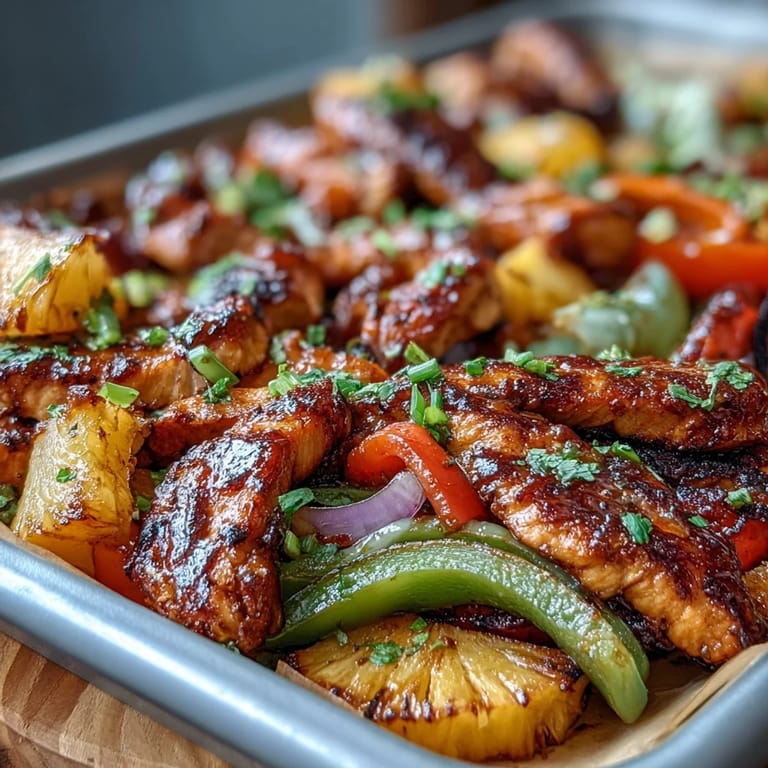
Save My sister called me mid-afternoon asking if I could throw together something fast but impressive for dinner that night. I had chicken thawing, a pineapple getting soft on the counter, and the kind of mood where I wanted everything on one pan. That's when sheet pan fajitas with pineapple suddenly made perfect sense—no pile of dishes at the end, just caramelized edges and that sweet-savory thing that makes people pause mid-bite and ask what you did differently.
I made this for my sister and her partner that evening, and halfway through eating, her partner asked if the sweetness was brown sugar in the seasoning. When I explained it was just the pineapple doing its thing, he went quiet for a moment and then said it was exactly the kind of thing that makes cooking at home worth it. That's when I realized this recipe does something small but real—it surprises people in a good way.
Ingredients
- Boneless, skinless chicken breasts, sliced into thin strips: Slicing them yourself lets you control thickness, and thinner pieces cook evenly so nothing ends up tough or dry; I usually aim for about a quarter-inch.
- Fresh pineapple, cut into 1-inch chunks: Fresh matters here more than frozen because you want those edges to caramelize, and the juice contributes real flavor to the marinade.
- Bell peppers (red, yellow, green), sliced: The color isn't just pretty—different peppers have different sweetness levels, and mixing them balances the flavor beautifully.
- Large red onion, sliced: Red onions are milder and sweeter than yellow, which is why they work so well here without overpowering the pineapple.
- Olive oil: This is your carrier for all the spices and helps everything get those golden, caramelized edges you're after.
- Chili powder, ground cumin, smoked paprika, garlic powder, onion powder, dried oregano: Together these create that warm Tex-Mex backbone without being heavy-handed; I learned the hard way that too much of any single spice kills the balance.
- Salt, black pepper, and lime juice: The lime is essential—it brightens everything at the end and keeps the dish from feeling flat.
- Flour or corn tortillas: Warm them just before serving so they're pliable; cold tortillas tear and frustrate everyone at the table.
- Fresh cilantro and lime wedges: These aren't optional—they're the final flavor punch that makes this feel intentional rather than rushed.
Tired of Takeout? 🥡
Get 10 meals you can make faster than delivery arrives. Seriously.
One email. No spam. Unsubscribe anytime.
Instructions
- Set your oven and prep your pan:
- Preheat to 425°F and line a large sheet pan with parchment paper or foil. This step takes thirty seconds but saves you from scrubbing caramelized bits for ten minutes later.
- Build the marinade:
- Whisk together the oil, all your spices, and lime juice in a large bowl until it smells like dinner is already happening. The lime juice should smell bright and sharp, not muted.
- Coat everything evenly:
- Add your chicken to the bowl first and toss it around so every piece gets slicked with marinade, then add the peppers, onion, and pineapple and toss again gently—you want the fruit coated but not bruised. This is the moment where you're setting yourself up for success; take the extra ten seconds to make sure nothing's hiding unmarinade at the bottom of the bowl.
- Spread on the pan in a single layer:
- Pour everything onto your prepared sheet pan and arrange it so pieces aren't piled on top of each other; they need room to caramelize, not steam. If your pan feels crowded, use two pans—this is one of those moments where cramming saves five minutes of cooking time but costs you ten in flavor.
- Roast and stir halfway through:
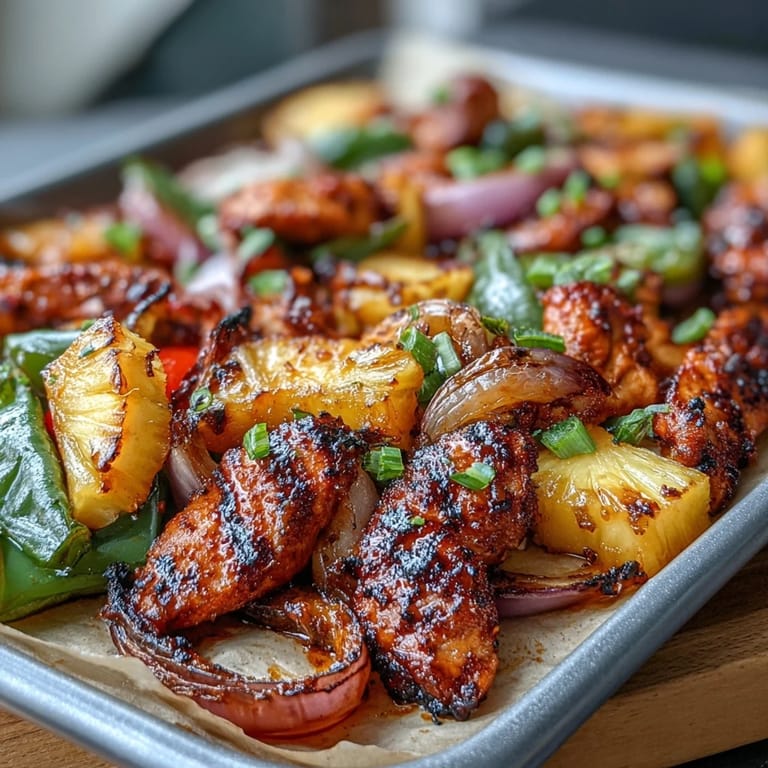
- Put it in the oven for about twelve minutes, then pull it out and give everything a good stir with tongs, making sure to flip pieces so the other side gets a turn at the hot spots. This is when you'll start smelling that caramelization happening, and it's your sign everything is on track.
- Know when it's done:
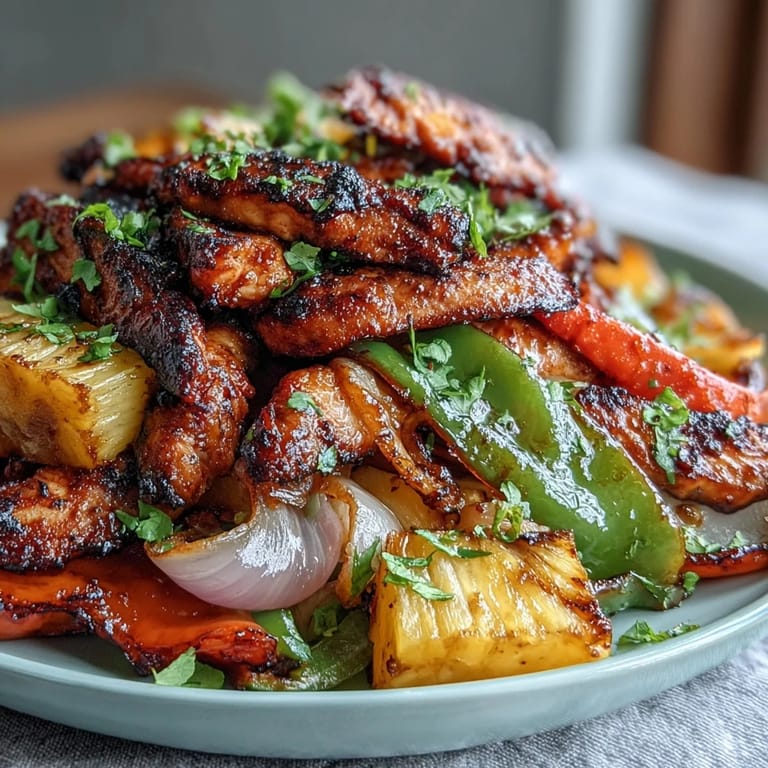
- At twenty-two to twenty-five minutes total, your chicken should be fully cooked through with no pink inside, and the vegetables should have charred edges with soft insides. The pineapple should look darker and smell almost candy-like.
- Warm your tortillas:
- While the pan is in the oven, warm your tortillas according to the package, whether that's a skillet, the oven, or over a gas flame. Don't skip this step—cold tortillas are one of those small disappointments that adds up.
- Assemble and serve:
- Lay out tortillas, pile the chicken, vegetables, and pineapple into each one, top with cilantro, and squeeze lime juice over everything. Serve immediately while everything is still warm.
 Save
Save That night eating with my sister, the kitchen smelled like cumin and caramelized fruit, and the three of us kept reaching back to the pan for one more piece of pineapple even after our plates were full. That's the moment when a recipe stops being instructions and becomes something you want to make again.
Why Pineapple Changes Everything
I used to think pineapple on savory food was a novelty, something between a gimmick and a guilty pleasure. But pineapple has enzymes that actually break down protein, making chicken more tender, and when those sugars hit high heat, they caramelize into something almost smoky. It's not trendy—it's just chemistry working in your favor, and once you understand that, the fruit stops feeling like a joke and starts feeling smart.
The Sheet Pan Advantage
Sheet pan cooking is forgiving in ways that stovetop cooking isn't. Everything roasts together at the same temperature, so you're not managing heat levels on different burners or timing multiple components. The oven does most of the work, and you just stir halfway and walk away. It's the kind of cooking that lets you focus on other things—setting the table, making guacamole, pouring wine—instead of standing there watching and worrying.
Building Flavor Without Fussing
The spice blend here isn't complicated, but it's deliberate. Each spice does something different—the cumin adds earthiness, the paprika brings color and a hint of smoke, the garlic and onion powders deepen the savory notes, and the oregano ties it all back to Tex-Mex tradition. Instead of layering spices into an oil and cooking them first, you're letting them marry right on the pan as everything roasts together, which actually develops deeper flavor than you'd expect from just dumping and cooking. The lime juice at the end is what keeps it from tasting like a spice cupboard exploded.
- If you're sensitive to spice heat, reduce the chili powder by half and skip any jalapeños until you taste it.
- The oregano can be swapped for cilantro if you prefer herbaceous to warm, but add cilantro fresh right before eating so it doesn't cook away.
- Everything on this pan reheats beautifully in a 350°F oven for about ten minutes, so leftovers are honestly as good as the first time.
 Save
Save This dish proves that simple ingredients and smart technique can make something feel special without keeping you in the kitchen for hours. Make it when you want easy but impressive, and watch people actually slow down and enjoy what's on their plate.
Your Questions Answered
- → Can I use other fruits instead of pineapple?
Yes, mango or peaches can be great alternatives to give a different fruity twist while maintaining sweetness and juiciness.
- → What type of bell peppers work best?
Using a mix of red, yellow, and green bell peppers adds color variety and a balance of sweet and slightly bitter flavors.
- → How can I add extra heat to this dish?
Incorporate sliced jalapeños or a pinch of cayenne pepper into the marinade for a spicier kick.
- → Is there a gluten-free option for serving?
Yes, using certified gluten-free corn tortillas ensures the dish stays free of gluten for those with sensitivities.
- → What are good pairing suggestions for this dish?
Pair with creamy avocado slices or a crisp, citrusy white wine like Sauvignon Blanc to complement the flavors.