 Save
Save My kitchen smelled like a Caribbean market the afternoon I decided to make this liqueur, all because a friend casually mentioned black currants at a farmers market and suddenly I was standing in my pantry wondering what to do with a bottle of Jamaican rum that had been sitting there for months. The idea came together almost accidentally—I wanted something that tasted like summer in a glass, something you could sip slowly while watching the light change through the window. What emerged after two weeks of patience was this stunning ruby-colored liqueur that tastes like berries, warmth, and just a hint of vanilla smoke.
I poured my first small glass for a neighbor who had mentioned loving anything with black currant, and watching her eyes light up as she tasted it made the two weeks of waiting feel instantly worthwhile. She asked if I could make her a bottle, then another, and suddenly what started as a quiet kitchen experiment became something I was making in batches every summer. That's when I realized liqueurs aren't really about being fancy or complicated—they're about giving someone something that tastes like you took time to think of them.
Ingredients
- Fresh blackcurrants: Choose plump berries with deep color, and don't skip washing them—sometimes grit hides in the stems and you'll taste it for weeks if you're not careful.
- Jamaican dark rum: This isn't the place to cut corners with cheap rum because it's the backbone of everything; the darker varieties bring molasses notes that play beautifully with the fruit.
- Granulated sugar: Measure it carefully at first, though you can adjust after tasting because everyone has different sweetness preferences.
- Vanilla bean: Split it lengthwise so the tiny seeds distribute through the liquid, creating that subtle creamy undertone that makes people wonder what your secret ingredient is.
- Cinnamon stick: Just one small piece is enough—too much and it bullies the other flavors, but the right amount adds a whisper of warmth.
- Lemon zest: Use a microplane and stop before you hit the white pith, which tastes bitter and will make you regret it every single sip.
Tired of Takeout? 🥡
Get 10 meals you can make faster than delivery arrives. Seriously.
One email. No spam. Unsubscribe anytime.
Instructions
- Gather and prepare your fruit:
- Wash your blackcurrants gently under cool water and remove the stems—this takes longer than you think but matters because stems can introduce unwanted flavors. Pat them dry and place them in your glass jar, which should be impeccably clean and dry before anything touches it.
- Build your flavor foundation:
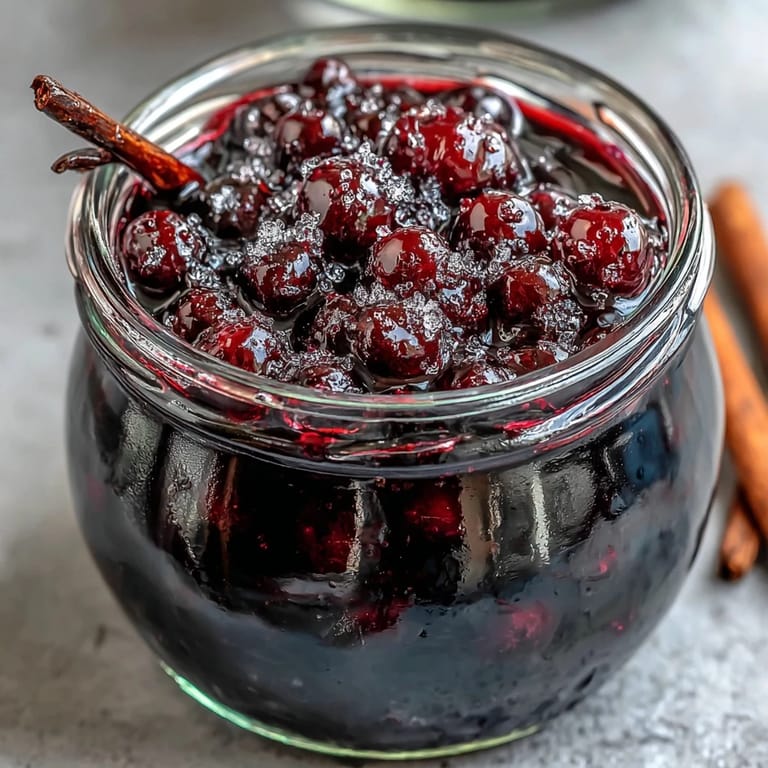
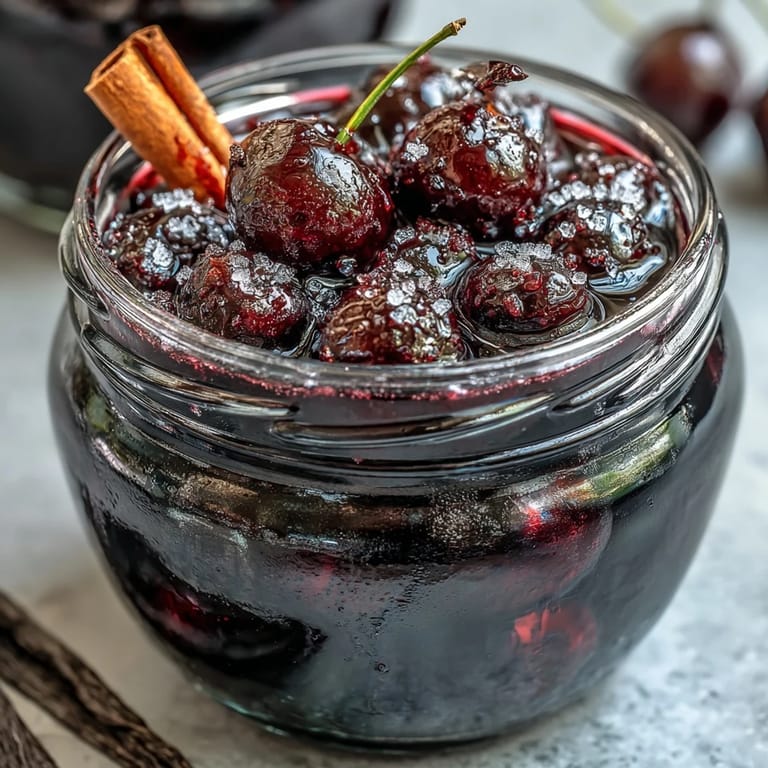
- Add the sugar, split vanilla bean, cinnamon stick, and lemon zest directly into the jar with the currants, arranging them so you can see all the layers. This is the moment where it starts to feel intentional, like you're creating something rather than just throwing things together.
- Pour the rum and seal:
- Pour the Jamaican rum slowly so you can watch it turn a deep burgundy as it mingles with the fruit juices—this visual moment is oddly satisfying. Seal the jar tightly and give it a gentle shake to start dissolving the sugar, then find a cool, dark corner where you can forget about it.
- Begin the waiting game:
- Every two to three days for the next two weeks, shake the jar gently as you pass by—don't get obsessive about it, just a casual little movement that helps the sugar dissolve and flavors meld. You'll notice the color deepen and the liquid get cloudier before it clears, which is exactly what should happen.
- Strain with patience:
- After fourteen days, line a fine mesh strainer with cheesecloth and slowly pour your liqueur through, letting gravity do the work rather than forcing it. The solids you discard have given everything they have, so don't feel bad about that part.
- Let it rest one final time:
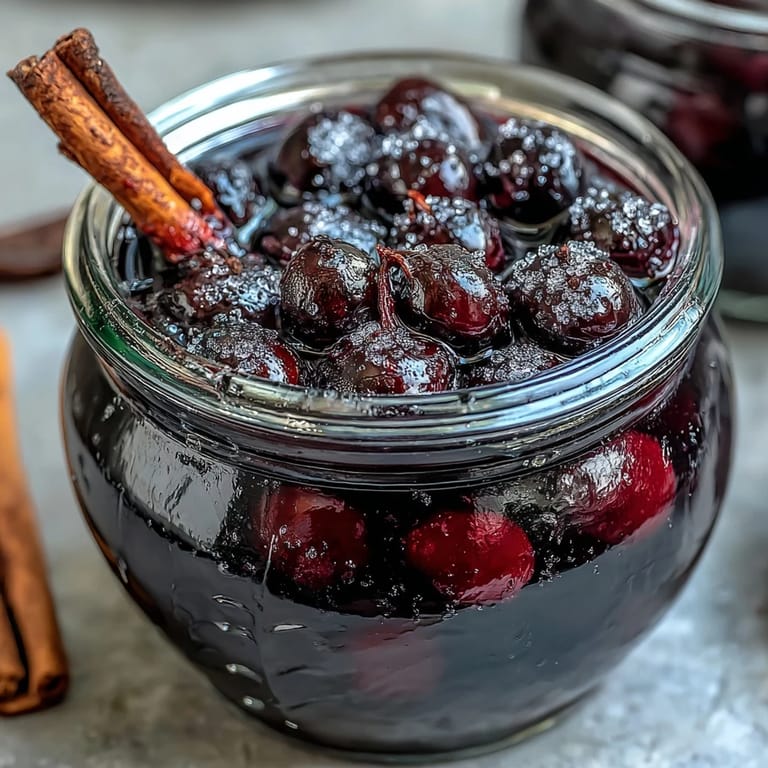
- Transfer the strained liqueur into a clean, dark bottle and seal it—then resist opening it for at least two more days while the flavors settle and harmonize. This resting period is when the liqueur goes from good to genuinely beautiful, so patience here matters.
- Serve and celebrate:
- Pour it neat into small glasses, over ice if you prefer, or use it in cocktails where it brings an unexpected fruity richness. Each serving tastes like two weeks of anticipation finally paying off.
 Save
Save There's something almost magical about standing in your kitchen on day fifteen and realizing you created something that tastes like it came from a bottle that costs three times what you spent on ingredients. My sister brought home some incredibly expensive liqueur once, and when I gave her a tasting of my black currant version, she genuinely couldn't believe I'd made it—and that moment alone made every day of waiting worth it.
The Magic of Dark Fruit Infusions
There's something about dark berries and dark rum that just belongs together, like they were always meant to meet in a jar and make something better than themselves individually. I've experimented with red currants, blackberries, and even cherries, but black currants have this particular tartness balanced with natural sweetness that creates a complexity you can't force or fake. The reason this liqueur works so well is that you're not really creating a flavor profile from scratch—you're just giving the currants and rum permission to become their best selves.
Storage and Keeping
This liqueur genuinely improves with age in a way that makes you feel smart for having made it; I've opened bottles from six months ago and found the flavors had deepened and softened into something almost velvety. Keep it in a cool, dark place away from direct sunlight, and it will happily last a year or longer, though honestly, you'll probably finish it before then. I keep mine in the back of a kitchen cupboard next to where I store other special things, pulled out only when the moment feels right.
Beyond the Straight Pour
Yes, sipping this neat is wonderful, but it also becomes a secret ingredient in cocktails, a drizzle over vanilla ice cream that makes people ask what you did to make it taste so good, or mixed into sparkling water for an elegant, sophisticated drink that looks like you tried much harder than you actually did. A friend who bartends borrowed a bottle and came back asking for the recipe after he'd used it in about fifteen different drinks. The versatility is part of what makes it special—it works everywhere, from desserts to cocktails to that quiet moment at the end of an evening when you just want something that tastes both familiar and surprising.
- Try mixing it into cream-based desserts where the dark fruit flavor cuts through richness beautifully.
- A splash in sparkling wine creates a sophisticated aperitif that impresses without pretension.
- Keep a small bottle as a gift because people rarely expect homemade liqueur and it always feels thoughtful.
 Save
Save This liqueur represents something I love about home cooking—the idea that with just a few quality ingredients and a little patience, you can create something that tastes like it came from somewhere magical. Every bottle is a small reminder that the best things are sometimes the ones you make yourself.
Your Questions Answered
- → How long does the infusion process take?
The full infusion requires 14 days in a cool, dark place. You can extend this up to one month for deeper flavor development.
- → Can I use frozen blackcurrants instead of fresh?
Fresh blackcurrants work best for optimal flavor extraction and texture. Frozen berries may release excess water during infusion, potentially diluting the final liqueur.
- → What type of rum works best for this infusion?
Jamaican dark rum provides rich molasses notes that complement the tart blackcurrants. Other aged dark rums can work, but avoid white or light rums which lack depth.
- → How should I store the finished liqueur?
Keep your bottled liqueur in a cool, dark place away from direct sunlight. Properly stored, it maintains quality for up to one year.
- → Can I adjust the sweetness level?
Absolutely. Taste after the initial infusion period and dissolve additional sugar if desired. You can also start with less sugar and add more gradually.